Most headlines treat the November 13, 2026 Turkey and Qatar defence agreement like a brand-new military alliance forged overnight. That misses the point entirely. Turkish boots have been on Qatari soil since the 2017 Gulf blockade, and the legal groundwork dates back to December 2014. What changed in Istanbul isn't that Ankara and Doha suddenly became friends—it's that they upgraded a quiet basing arrangement into a formal mutual defence framework while the Middle East sits on a powder keg.
If you're trying to figure out what this pact actually does, ignore the breathless commentary claiming Turkey just signed up for automatic war in the Persian Gulf. The reality is sharper, more calculated, and deeply tied to Washington's fading appetite for policing the region.
Why Ankara and Doha Upgraded Their Pact Right Now
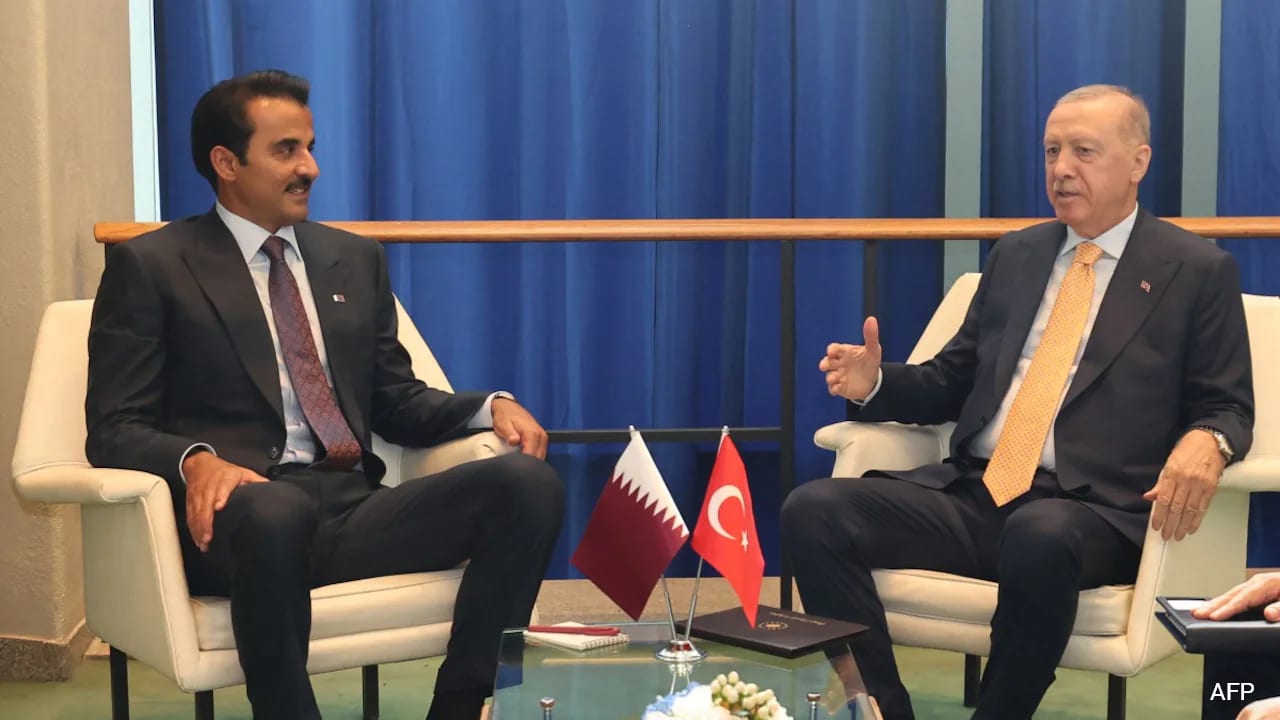
Timing tells you everything in geopolitics. When Turkish President Recep Tayyip Erdoğan and Qatari Emir Sheikh Tamim bin Hamad Al Thani met in Istanbul on November 13, 2026, alongside the Supreme Strategic Committee, the region was already reeling from active conflict involving Iran and heightened maritime risks around the Strait of Hormuz.
For years, wealthy Gulf states relied on American security guarantees to keep their energy infrastructure safe. That assumption cracked. Watching Washington hesitate over open-ended regional policing forced Doha to confront a blunt truth—you can't outsource your survival to a single superpower anymore. Qatar is small, extraordinarily rich, and sits right across the water from volatile flashpoints. Diversifying its security guarantors became a necessity, not a luxury.
Ankara saw an opening and took it. Turkey commands NATO's second-largest standing army and possesses a rapidly maturing domestic weapons industry. By locking in a formal mutual defence pact with Doha, Erdoğan isn't just doing a favor for an old ally. He's positioning Turkey as an indispensable security broker across the Gulf.
What the Istanbul Agreement Actually Commits Both Sides To
Let's clear up the biggest misconception floating around social media right now. Does this treaty mean Turkish fighter jets automatically scramble the second a drone crosses Qatari airspace? No.
Neither the Turkish Ministry of Foreign Affairs nor Doha has released the full legal text of the November 13 accord. Based on the official communiqués from Istanbul, the agreement establishes several concrete pillars:
- A unified stance against external armed attacks targeting either nation or both.
- Structured threat consultations covering intelligence sharing, regional security risks, and aligned defence policies.
- Expanded joint military exercises to ensure Turkish and Qatari forces operate smoothly together under pressure.
- Deeper defence industry collaboration, moving beyond simple arms sales toward joint production and technology sharing.
There's a critical legal distinction here that amateur analysts constantly blur. Under Article 51 of the UN Charter, nations have an inherent right to collective self-defence. Signing a bilateral mutual defence treaty signals political resolve and raises the cost of aggression for any adversary. Yet without seeing the ratified clauses—and knowing whether Ankara's parliament has signed off on automatic triggers—claiming this mirrors NATO's Article 5 is pure guesswork.
In practice, ambiguity works in Turkey's favor. Potential aggressors have to assume Ankara will intervene, while Erdoğan retains political wiggle room over how and when Turkish forces respond.
From 2017 Blockade to 2026 Security Hub
You can't understand this deal without looking at June 2017. When Saudi Arabia, the UAE, Bahrain, and Egypt severed diplomatic ties and imposed a blockade on Qatar, Ankara didn't hedge. The Turkish parliament fast-tracked troop deployments to Doha, putting real skin in the game when Qatar was isolated.
That single decision bought Turkey a level of trust in Doha that money can't buy. While other nations issued cautious diplomatic statements, Turkish soldiers stood guard on Qatari soil.
Fast forward nine years, and the regional chessboard looks unrecognizable. The same regional neighbors that once demanded Turkey shut down its Qatari base are now lining up to sign defence pacts with Ankara themselves.
Turkey's Bigger Regional Play You Need to Watch
Looking at the Turkey and Qatar defence agreement in isolation is like watching one chess piece move without noticing the rest of the board. Over the past four months, Ankara has been stitching together an overlapping web of security agreements across the Muslim world:
- The Mecca Mutual Defence Agreement (August 2026): Signed in August and ratified by Turkey's parliament on November 6—just one week before the Qatar deal—this trilateral pact unites Turkey, Saudi Arabia, and Pakistan. Unlike the Qatari communiqué, the Mecca text explicitly treats an armed attack on one signatory as an attack on all, linking NATO's second-largest military with the Islamic world's only nuclear-armed state.
- The Badr Defence Memorandum (October 2026): A multilateral framework bringing together Turkey, Qatar, Pakistan, and Indonesia to co-develop indigenous military manufacturing and reduce reliance on Western supply chains.
- Bilateral R&D Deals with Riyadh (November 2026): Just days after the Istanbul summit, Saudi Arabia's General Authority for Defence Development signed fresh research and technology agreements with Turkey's Presidency of Defence Industries (SSB) and Tubitak.
Notice the pattern? Turkey isn't trying to evict the United States from Al Udeid Air Base in Qatar overnight. Instead, Ankara is building a parallel security architecture. Turkish Foreign Minister Hakan Fidan summed up the philosophy openly when discussing the Mecca framework—regional solutions to regional problems.
What Happens Next and How to Track It
For investors, energy analysts, and anyone tracking Middle Eastern stability, official press releases only tell half the story. Diplomatic handshakes in Istanbul mean very little until operational protocols hit the ground.
If you want to gauge whether this pact actually alters the military balance in the Gulf over the coming months, watch three concrete indicators rather than political speeches:
- Parliamentary ratification in Ankara: Watch whether Erdoğan submits the Istanbul treaty to the Turkish Grand National Assembly, just as he did with the Mecca Pact in October. Formal ratification usually forces at least partial disclosure of binding legal commitments.
- Troop rotations and air defence deployments: Look for announcements expanding the Tariq bin Ziyad military base in Qatar or integrating Turkish air defence systems into Qatari command networks.
- Joint procurement contracts: Pay attention to whether Doha backs up the rhetoric by funding joint drone, naval, or missile production lines with Turkish firms like Baykar, ASELSAN, or Roketsan under the broader Badr framework.
Check the official gazettes and defence ministry announcements from Ankara and Doha over the next sixty days. Until those practical mechanisms are published, treat the November 13 agreement as a powerful political deterrent rather than an automatic trigger for war.
For additional context on the Istanbul summit and what officials announced on the ground, watch Qatar and Turkey Join Forces in New Defence Deal. This news report breaks down the November 13 signing ceremony between President Erdoğan and Emir Sheikh Tamim, offering a concise visual summary of the bilateral military pledges covered above.