Foreign superpowers rarely plot regime change over coffee, but Malaysian politics loves a dramatic conspiracy story. Parti Islam Se-Malaysia (PAS) president Abdul Hadi Awang recently found himself staring down police investigations after claiming the United States offered to help his party topple the Malaysian government back in 2014.
You read that right. According to Hadi, Washington allegedly pitched a coup blueprint during Barack Obama's presidential visit to Kuala Lumpur. You might also find this similar coverage insightful: Inside the Post-Earthquake Missing Persons Crisis No One Is Managing.
Naturally, the fallout was swift. Multiple police reports materialized overnight, the US Embassy issued a flat denial, and political rivals demanded immediate accountability. Let's break down what actually happened, why these allegations are blowing up now, and what the whole circus reveals about modern Malaysian political strategy.
The 2014 Meeting That Sparked a Decade-Old Secret
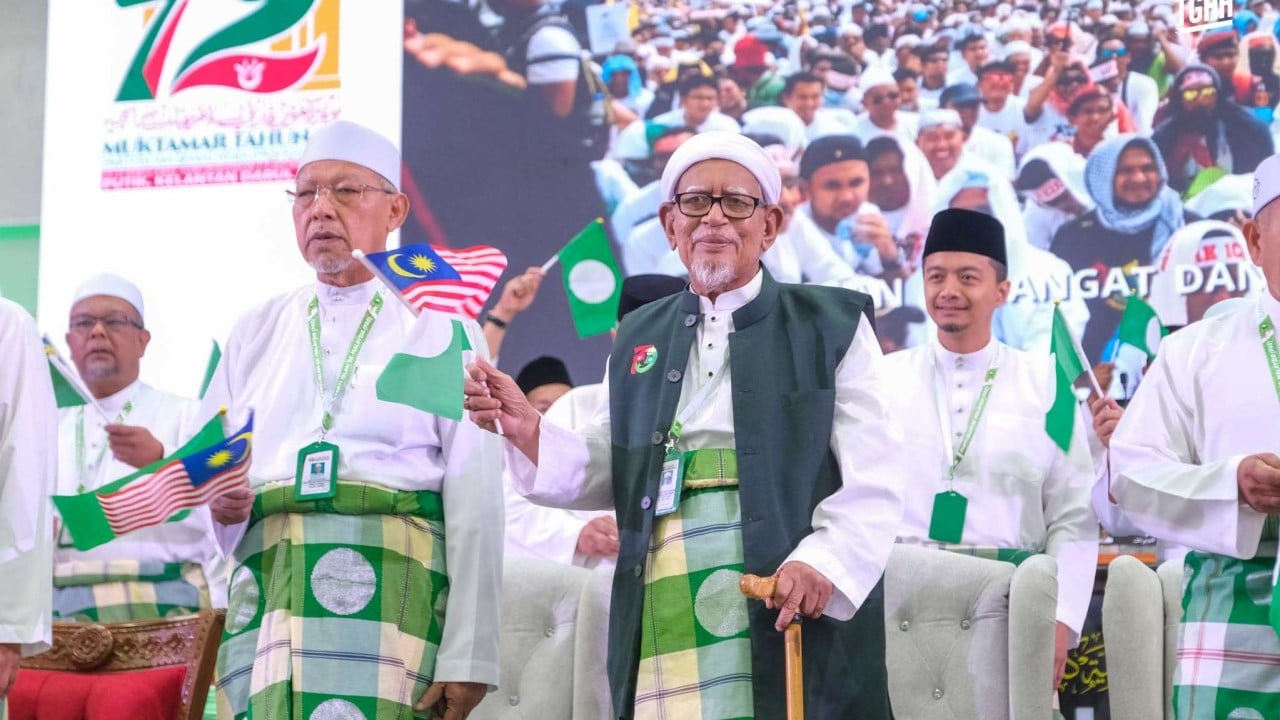
The controversy stems from a speech Hadi delivered at the 72nd PAS muktamar in Kota Bharu. He told party delegates that a delegation of PAS leaders—including current Terengganu Menteri Besar Ahmad Samsuri Mokhtar and senior leader Takiyuddin Hassan—attended a closed-door meeting at the US Embassy a dozen years ago. As highlighted in detailed articles by The Guardian, the effects are worth noting.
Back then, PAS was allied with opposition parties under the Pakatan Rakyat banner. Hadi claimed embassy representatives actively probed whether PAS wanted assistance to bring down the ruling Barisan Nasional administration.
The narrative gets punchier. Hadi claimed he was later summoned for a one-on-one chat with the US ambassador, who allegedly asked him point-blank who PAS wanted to install as prime minister. Hadi's reported retort? Asking the ambassador who America preferred, a line he later claimed earned approval from former prime minister Dr Mahathir Mohamad.
Why Washington and Local Critics Push Back Hard
You can't drop a claim about a foreign superpower backing a domestic coup without triggering an earthquake. The response from the international community was immediate and absolute.
David H. Gamble Jr., the charge d'affaires at the US Embassy in Kuala Lumpur, issued a blunt public rejection. He stated clearly that the United States has never attempted to dictate Malaysia's political leadership, dismissing any narrative to the contrary as entirely false.
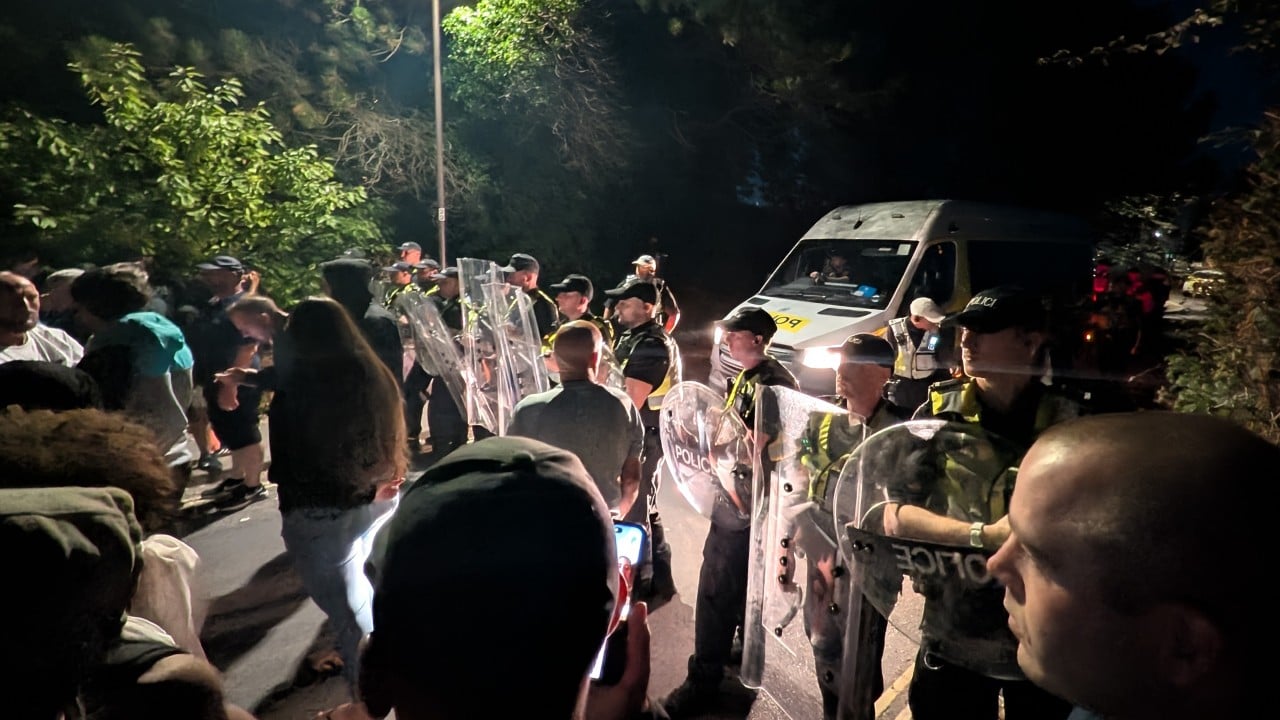
At the same time, local backlash was fierce. PKR Youth and various local leaders wasted no time filing police reports at the Cheras police station. Their core argument is simple. Making unchecked accusations about unconstitutional foreign interference undermines national sovereignty and democratic stability. Bukit Aman quickly confirmed that Hadi would be called in to give a formal statement.
The Real Political Calculus Behind the Timing
Why bring up a closed-door embassy chat from 2014 during a party convention in 2026? Timing is everything in politics.
PAS operates as a dominant force within the Perikatan Nasional opposition bloc. By framing past interactions around themes of foreign meddling and nationalist resistance, party leadership solidifies its base. It casts PAS as a principled entity that rejected foreign overtures to safeguard local autonomy.
Yet, this strategy carries heavy risks. Invoking foreign conspiracies invites intense legal scrutiny. Police investigations under local penal codes regarding statements conducive to public mischief or undermining democracy are not minor hurdles. Hadi's legal team has maintained that the veteran politician is fully prepared to cooperate with authorities, but the inquiry shifts the news cycle away from policy debates and onto historic allegations.
Watch how Bukit Aman handles the police reports over the coming days. Expect political opponents to keep hammering the issue to pressure PAS leadership.