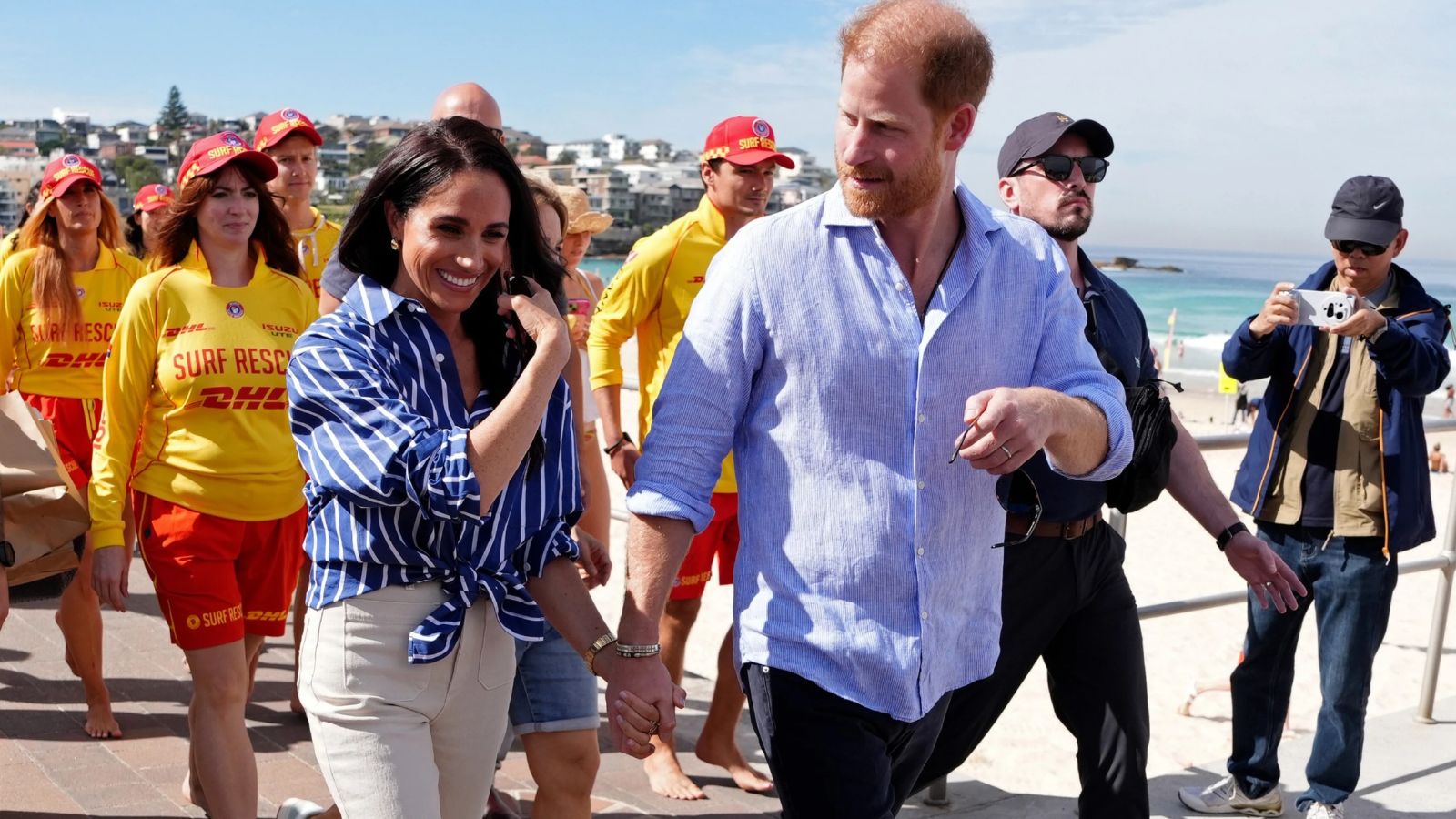
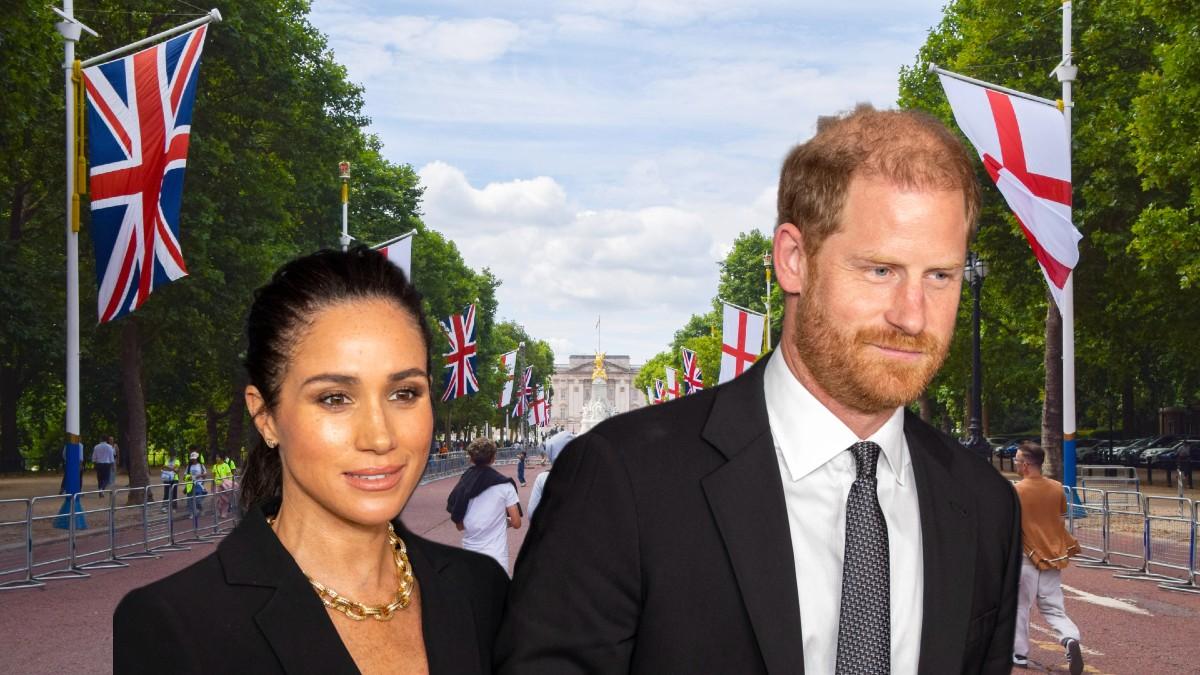
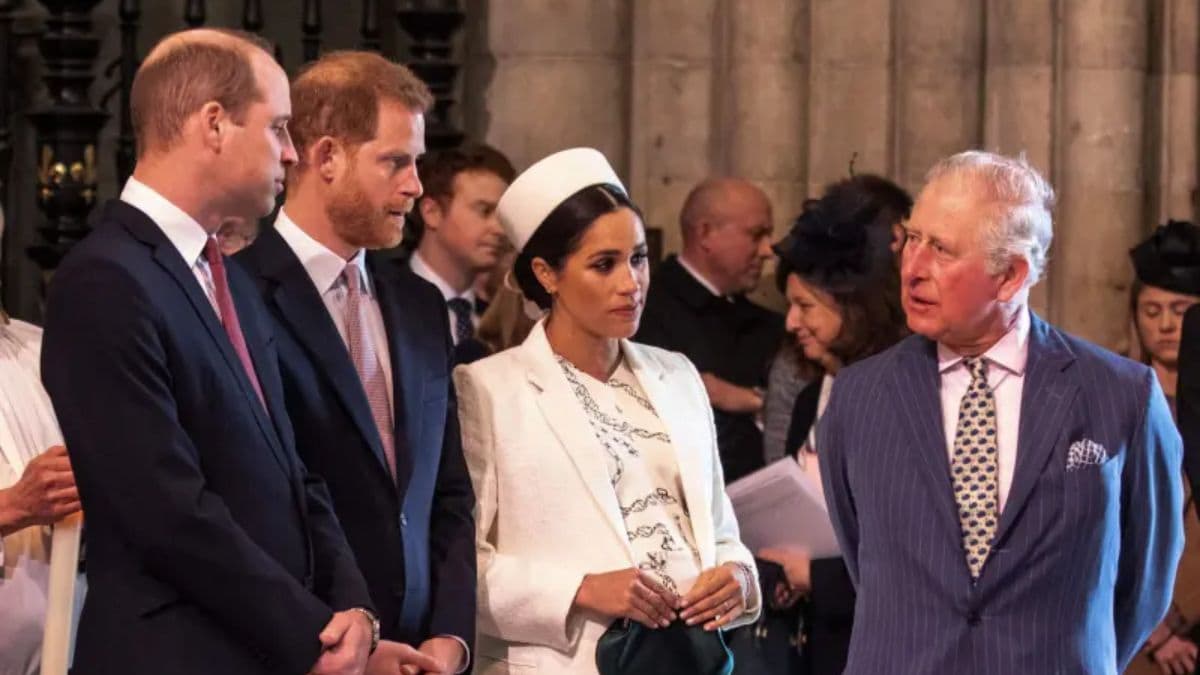
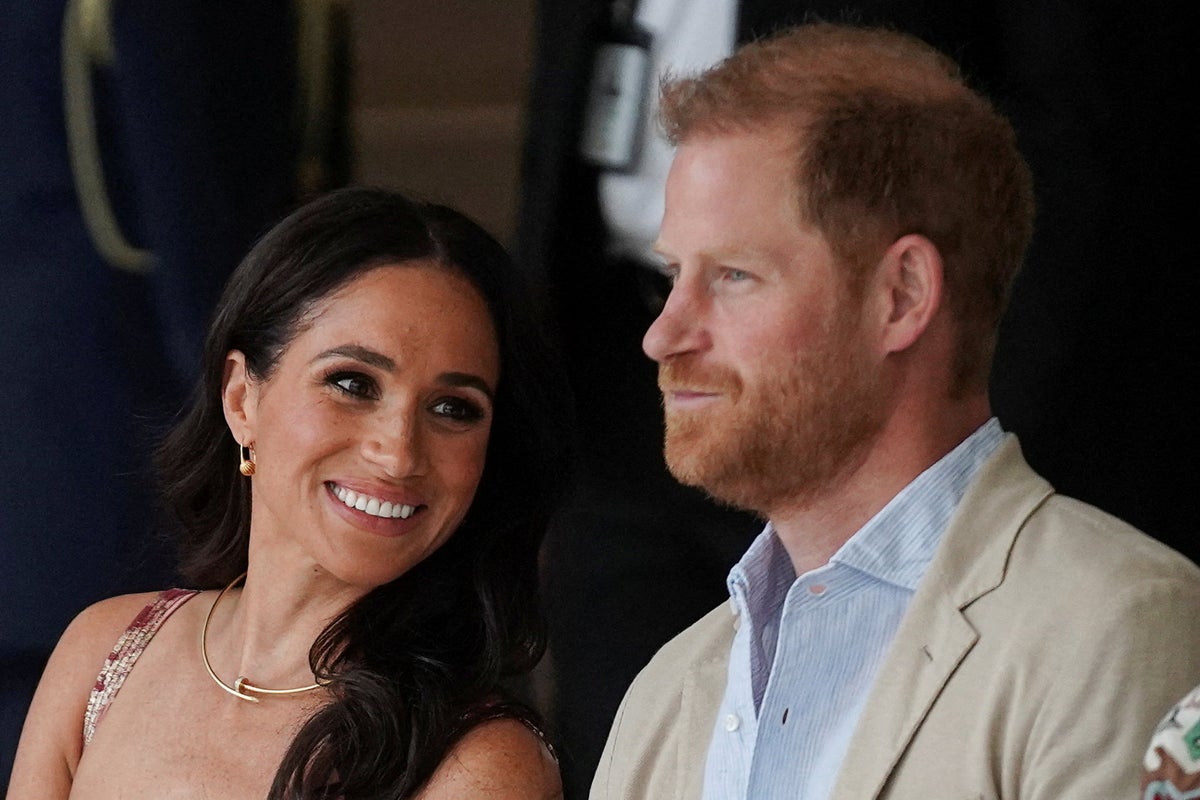
The media circus has officially spun out of control. For weeks, the question of whether Meghan Markle and the children would join Prince Harry on his latest journey across the Atlantic dominated the front pages. Prince Harry’s U.K. trip sparks media buzz over whether Meghan and kids will join him, and frankly, the commentary has been brutal. Critics call it a snub. Pundits claim it is a calculated insult to a rebuilding monarchy.
They are wrong. You might also find this connected article interesting: The Weight of an Ocean Between Us.
The decision to leave Meghan, seven-year-old Prince Archie, and five-year-old Princess Lilibet behind in California is not a strategic PR play. It is a direct response to a massive, state-level failure to ensure their physical safety. The reality on the ground in London right now makes a full family reunion impossible. If you think this is just about royal drama or bruised egos, you are missing the entire picture.
The Real Story Behind Prince Harry’s U.K. Trip Security Breakdown
The ultimate factor keeping the Sussex family in California is a body you have probably never heard of called RAVEC. The Executive Committee for the Protection of Royalty and Public Figures handled the security logistics for this visit. At the absolute eleventh hour, the British government dropped a hammer on the planned family trip by rejecting Harry's request for taxpayer-funded police protection outside the walls of official royal properties. As discussed in detailed articles by Bloomberg, the results are worth noting.
Imagine preparing your young children for a long-awaited reunion with their grandfather, King Charles, only to be told that the second you step off the estate grounds, you are completely on your own.
The King reportedly offered his son and grandchildren accommodation at a secured royal residence. That sounds great on paper, but it is a logistical trap. Safe accommodation is only a tiny piece of an effective safety strategy. Risk follows the individual, not the physical building. The moment Harry, Meghan, or the kids leave those palace gates to attend a charity function, visit friends, or drive to an event, their official protection vanishes.
Harry’s team has made it clear that accommodation was never the issue. The real problem is what happens on the open blacktop of British roads. Private security firms, no matter how much money you throw at them, cannot carry firearms in the U.K. They do not have access to real-time state intelligence from agencies like MI5 or MI6. They cannot clear streets or control crowds. Without local police cooperation, a high-profile target is essentially sitting ducks.
Why the Threat Level in Britain Is Worse Than You Think
A lot of commentators love to point out that Harry and Meghan travel to places like Colombia, Nigeria, and parts of Europe without these public meltdowns over security. They argue that if Nigeria is safe enough for the Sussexes, London should be a walk in the park.
That argument completely ignores the data.
A confidential security assessment commissioned by the Duke's private security team leaked to British broadcasters, exposing a terrifying reality. The vast majority of the most severe, actionable threats against Prince Harry and his wife actually originate inside the United Kingdom. We are talking about extreme right-wing groups, online radicalization, and targeted stalking networks that operate directly on British soil.
The report even highlighted an official al-Qaeda document that explicitly called for Harry's assassination as retribution for his military service in Afghanistan. When international terrorist organizations and local extremists are naming you as a primary target, relying on a private security guard with a radio and no legal authority to use force is a gamble no father should take.
To make matters worse, Harry’s team revealed that the U.K. government has basically handed them a phone number for a police liaison officer. The instruction? Call this number if you get into trouble or find yourself under attack. That is not a protective detail. That is an emergency hotline. For a prince who grew up watching his mother being hounded by aggressive packs of photographers, that setup is a non-starter. Harry remembers the chaos of the nineties, and he refuses to subject his young children to that specific brand of terror.
The Heartbreaking Royal Split at the Center of the Visit
The timing of this entire mess is particularly painful. King Charles is currently undergoing treatment for an undisclosed form of cancer. He is seventy-seven years old, and sources close to the family say he is deeply eager to spend meaningful time with Archie and Lilibet. The children have not seen their grandfather in person since the late Queen Elizabeth II’s Platinum Jubilee celebrations back in 2022.
At five and seven, these kids are finally old enough to form lasting memories of their grandfather. Instead, they are caught in a bureaucratic standoff.
Harry is reportedly distraught over how this played out. He wanted this trip to serve as an opportunity for family reconciliation. Life is fragile, and the Duke has openly stated in past broadcasts that he wants a functional relationship with his father. But he has drawn a hard line in the sand. He will not trade his family's physical safety for a heartwarming photo op at Clarence House or Buckingham Palace.
Meanwhile, the gap between Harry and his brother, Prince William, remains wider than ever. While there is a quiet willingness from both the King and Harry to patch things up, William and the rest of the working royals remain deeply hurt by the revelations published in Harry's memoir and various media projects. While Harry navigates his private engagements in London and preparations for the upcoming 2027 Invictus Games in Birmingham, his brother’s camp has maintained total silence.
What the Public Gets Wrong About Royal Taxpayer Funding
The biggest source of public anger surrounding Prince Harry’s U.K. trip is the financial aspect. Average citizens look at a wealthy couple living in a Montecito mansion and ask why the British public should foot the bill for their bodyguard team. It is a fair question on the surface, but it misinterprets how royal security actually works.
Harry isn't asking for a free ride. He previously offered to pay for the metropolitan police protection out of his own pocket. The government flatly refused that offer, stating that state-trained police officers are not guns for hire for wealthy individuals who choose to step away from public service.
Look at how the British state handles other high-profile figures. Global pop icons like Taylor Swift routinely receive state-funded police escorts and protection when they perform in the U.K. due to the sheer scale of the crowds and potential security risks surrounding their events. Harry remains fifth in line to the British throne. His children are sixth and seventh. The threat profile against them does not drop just because they stopped doing ribbon-cutting ceremonies for the Crown.
The RAVEC committee is terrified of public backlash. The royal family has faced months of horrific headlines regarding other members of the institution, and the government is desperate to avoid looking like they are wasting taxpayer funds on non-working royals. The committee includes senior staff from Buckingham Palace and Prince William’s office. Harry's team points out that this structure creates an inherent conflict of interest, suggesting the refusal to update Harry’s risk assessment since 2020 is a political decision rather than a security one.
How to Separate the Media Hype From the Reality
When you read the upcoming headlines about Harry's solo appearances in London and Birmingham, look past the easy narratives. Here is how you can accurately evaluate what is actually happening during this high-stakes visit.
- Look at the locations: Harry will be heavily relying on secure spaces. Notice how his public appearances are tightly controlled, brief, and heavily managed by private staff.
- Track the High Court updates: Simultaneously, the High Court in London is releasing verdicts regarding Harry’s ongoing privacy lawsuits against major newspaper publishers. The intersection of his security battle and his legal war with the tabloids is deeply connected.
- Watch the Birmingham events: The primary purpose of this journey is to mark the one-year countdown to the 2027 Invictus Games in Birmingham. Pay attention to how local authorities handle his safety during these official event spaces compared to his private time in London.
The open door for Meghan and the children to potentially join Harry for the specific Invictus events in Birmingham later in the week remains a technical possibility, but do not hold your breath. Unless RAVEC blinks and offers a sudden, comprehensive security review, the Duchess and the children are staying exactly where they are.
Prince Harry is playing a bad hand the best way he knows how. He is showing up for his patronages, attempting to see his ailing father, and keeping his vulnerable family thousands of miles away from an environment that his own intelligence teams deem unsafe. It is lonely, it looks terrible in the British press, and it is exactly what a responsible parent would do. If you want to understand the modern monarchy, stop looking at the tiaras and start looking at the court dockets and security maps. That is where the real power struggles are being fought.