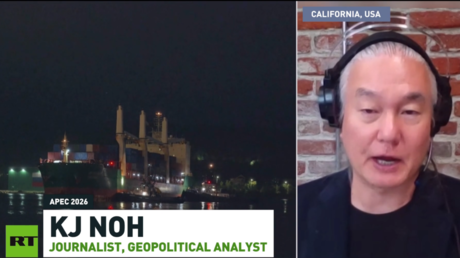
Every few months, a viral clip or geopolitical commentator—like analyst K.J. Noh—declares that Russia's Northern Sea Route is about to completely rewrite global trade. On a flat map, the pitch looks unbeatable. Why send a container ship all the way down through the Malacca Strait, across the Indian Ocean, and up through the Suez Canal when you can just cut across the top of the world?
It sounds obvious. It's also wildly oversimplified.
If you actually look at maritime logistics, ship economics, and Arctic ice charts, the reality is way messier than the hype. Yes, traffic is growing. No, the Arctic isn't replacing the Suez Canal anytime soon. Let's look at what's actually happening on the ice—and why shipping executives aren't abandoning traditional routes just yet.
The Shortcut Math That Actually Works
First, give credit where it's due. The geography isn't a lie.
The Northern Sea Route stretches roughly 5,600 kilometers along Russia's Siberian coast, connecting the Kara Strait in the west to the Bering Strait in the east. For cargo moving between East Asia and Northern Europe, that shortcut shaves weeks off a voyage.
Take a real run. When China's Sea Legend Shipping sent the container ship Dubai Tower from Ningbo-Zhoushan to the UK port of Felixstowe via the Arctic, the trip took around 20 days. Going the traditional route through the Suez Canal usually eats up around 37 days.
You don't need a logistics degree to see why that grabs headlines:
- Faster transit times: Cutting two weeks off a voyage frees up vessel capacity and gets high-value inventory to European warehouses faster.
- Lower fuel burn: Shorter distances mean burning less marine fuel—roughly 20% to 30% less compared to southern routes, depending on ice conditions and vessel speed.
- Fewer southern chokepoints: Vessels bypass the Red Sea, the Strait of Hormuz, and the Malacca Strait—areas hammered by regional conflicts, drone attacks, and naval standoffs.
South Korea even tested the waters with a commercial demonstration run by the PanStar Acro from Busan to ports in the UK, the Netherlands, and Poland. Meanwhile, Rosatom—the Russian state nuclear corporation that manages the route—reported that total cargo along the corridor crossed 40 million tonnes for the first time.
So if it's faster, uses less fuel, and avoids Red Sea missiles, why isn't every shipping giant rushing north?
Why Shipping Giants Aren't Abandoning Suez
Talk to anyone who actually prices maritime freight, and the enthusiasm cools down fast. A shorter line on a globe doesn't automatically equal a cheaper bill at the port.
1. The Volume Illusion
That 40-million-tonne milestone sounds massive until you put it next to global shipping numbers. Almost all of that cargo isn't international trade moving between China and Europe. It's Russian domestic energy—liquefied natural gas, crude oil, and coal—leaving Siberian extraction hubs for export.
Actual international transit cargo moving from one end of the route to the other only hit around 6 to 7 million tonnes. Compare that to the Suez Canal, which handles over a billion tonnes of cargo in a normal year. Even Vladimir Putin's 2018 decree targeting 80 million tonnes by 2024 remains roughly twice what the route actually carries.
2. You Can't Just Sail Any Ship Through Ice
Standard ultra-large container ships—the floating cities carrying 20,000+ containers that make global trade dirt cheap—cannot survive in Arctic pack ice. Their hulls aren't built for it. A single collision with multi-year ice can rip open a hull miles away from any dry dock or rescue tug.
To run the Northern Sea Route safely, carriers need ice-class vessels with reinforced hulls, specialized winterized equipment, and crews trained in polar navigation. Those ships cost millions more to build and burn more fuel per ton of cargo than standard ocean liners.
3. The Icebreaker Tax and Insurance Headache
Even with shrinking sea ice, the Arctic isn't an open highway. For most of the year, ships still need escorts. Russia maintains a fleet of roughly 45 icebreakers—including eight nuclear-powered giants—to smash paths through frozen chokepoints.
Those escorts aren't free. Rosatom charges hefty transit and icebreaker fees. On top of that, marine insurers slap massive war-risk and polar surcharges on vessels entering Russian-controlled waters. Between icebreaker tariffs, specialized hull requirements, and sky-high insurance premiums, the fuel savings from the shorter distance often evaporate.
The Geopolitical Catch Nobody Likes Talking About
Here's the part geopolitical commentators often gloss over: using the Northern Sea Route means handing Moscow total regulatory control over your supply chain.
Every ship must apply for navigation permits through Russia's Northern Sea Route Administration. If Moscow decides to tighten rules, raise transit tariffs, or deny permits during a diplomatic spat, your ships are stuck.
Western sanctions make things even messier. Major European and American logistics firms won't touch the route because paying permit fees to Rosatom—a sanctioned Russian state entity—creates massive legal and compliance risks. Even Asian carriers like China's Sea Legend Shipping and South Korean operators have to carefully navigate secondary sanctions, port restrictions, and Western insurance exclusions.
As analysts at Carnegie Politika have pointed out, international interest in the Arctic corridor spikes whenever wars disrupt the Middle East. If Red Sea security stabilizes, plenty of those international container ships will quietly head back south where ports are deeper, weather is predictable, and there's no ice to dodge.
What Actually Happens Next
Russia is pushing hard to turn the corridor into a year-round operation, with Rosatom eyeing permanent eastern navigation and deeper ties with Chinese and Indian shippers. Honestly, for bulk commodities—like Russian LNG, metals, and fertilizers heading to Asian buyers—the Northern Sea Route is already indispensable.
For global container shipping? It's a pressure valve, not a replacement.
If you work in supply chain management, import-export logistics, or commodity trading, don't treat the Arctic route as a miracle fix for freight costs. Instead, keep your playbook grounded:
- Watch transit permits, not headlines. Track actual international container transit numbers published by maritime outlets like gCaptain rather than political projections.
- Audit your carrier's routing clauses. Make sure your freight forwarders aren't exposing your cargo to sanctioned Russian ports or voided marine insurance policies without explicit sign-off.
- Price the total landed cost. If a carrier pitches an Arctic shortcut for seasonal summer-autumn shipments, demand an itemized breakdown of ice-class surcharges, war-risk insurance, and port feeder delays before signing anything.