Eleven days. That's all it took for Jensen Huang to go from resigning in disgrace to reclaiming his throne at Nvidia.
If you only skimmed the headlines this week, you probably think this is just another messy Silicon Valley scandal mixed with routine Washington partisan bickering. You'd be wrong. President Donald Trump's open admission that he personally intervened to get Huang reinstated as chief executive—telling CNBC "I convinced them" and "I made the deal"—has triggered a massive bipartisan collision over national security, personal enrichment, and corporate governance. Senate Democratic Leader Chuck Schumer has already vowed sweeping congressional probes, and even reliable Republican hawks are breaking ranks. Meanwhile, you can read similar developments here: The Math Behind Extreme Early Retirement on a Tech Salary.
Here is what is actually happening behind the scenes, why Nvidia's board caved so fast, and what happens when the new Congress takes the gavel in January 2027.
The Eleven-Day Reversal That Shocked Wall Street
To understand why lawmakers are furious, look at the timeline. On November 12, 2026, Huang stepped down as CEO, president, and board member of the world's most consequential chipmaker. His exit followed explosive reporting by The New York Times and Reuters detailing an extramarital affair with Alice Huang—a former executive at a firm called Megaspeed whom U.S. intelligence officials reportedly suspected of spying for China—alongside reported relationships with two Nvidia employees. To explore the bigger picture, check out the recent article by The Wall Street Journal.
At the time, tech analysts like Dan Ives applauded Nvidia's board for ripping off the Band-Aid. CFO Colette Kress stepped in as interim CEO, and the board hired former acting U.S. Attorney Joon H. Kim to lead an independent investigation.
Then Monday, November 23, happened.
Nvidia's board abruptly reversed course, unanimously reinstating Huang to all three roles. Their official explanation? They were satisfied with Huang's candor and had received "input from senior levels of the United States government" assuring them his return posed "no national security risk".
Trump didn't even try to hide his fingerprints. In his CNBC interview, he defended strong-arming the board by arguing it would be a "bigger threat" for America to lose Huang's "brain power" in the AI race against China. Nvidia shares immediately surged more than 30% when trading opened, clawing back massive losses across the broader tech market.
Wall Street cheered. Washington erupted.
Why Democrats Are Vowing a Full-Scale Investigation
Within hours of Nvidia's announcement, Chuck Schumer took to X with a blunt promise. He announced that Democrats will "investigate any wrongdoing by the Trump administration, Jensen Huang, other Nvidia executives, and anyone selling out our national security for financial gain".
This isn't empty political theater. Democrats just won back control of both houses of Congress in the midterms, and when they are sworn in come January 2027, they will hold full subpoena power. According to policy analysts at the Center for American Progress, the planned December 2026 hearings are merely a warm-up act.
The impending Democratic probe targets three distinct pressure points that most surface-level news coverage glosses over.
The Counterintelligence Blind Spot
Schumer's sharpest accusation centers on what the White House knew and when. According to Democratic lawmakers, U.S. intelligence briefed the administration regarding counterintelligence warnings tied to Huang's relationship with the former Megaspeed executive. Instead of sidelining him, Trump allowed Huang to accompany him on an official trip to Beijing in May, during which a $25 million donation from Nvidia was reportedly accepted.
Megaspeed isn't some random tech startup. The company is under active criminal investigation for suspected violations of U.S. export-control laws, and the Commerce Department recently added Megaspeed to its trade blacklist. Investigators want to know how Nvidia's high-end H200 chips and remote compute access reached restricted Chinese entities—and whether Huang's personal ties compromised corporate security.
Personal Enrichment and Stock Trades
Follow the money. Financial disclosures and market analyses indicate that Trump holds substantial personal stakes in Nvidia. When Trump publicly intervened to force Huang's reinstatement and sent Nvidia's stock rocketing up over 30% on Monday morning, that single market bounce is calculated to have boosted Trump's personal wealth by up to $15 million.
When a sitting president uses the weight of the executive branch to dictate leadership at a trillion-dollar company whose stock he owns, ethics watchdogs call it a textbook conflict of interest. Democrats have already signaled they will examine Trump's trading records alongside Nvidia's donations to White House and presidential projects.
Preemptive Pardons and Executive Overreach
Perhaps the wildest wrinkle in this saga emerged days after the reinstatement, when Trump openly floated the idea of pardoning Huang, telling reporters "it's an option" ahead of Huang's scheduled congressional testimony. Vice President JD Vance quickly tried to walk that back, insisting Huang doesn't need a pardon.
Too late. Mentioning a pardon before a witness even testifies under oath signals to investigators that criminal exposure under federal export-control statutes is a very real possibility.
Even Republicans Are Breaking Ranks
If this were just Democrats attacking Trump, Nvidia's legal team could probably weather the storm. They can't. The national security angle has fractured the GOP.
Republican lawmakers who built their brands on countering Beijing are openly questioning the White House's judgment. Senator John Cornyn of Texas publicly challenged Nvidia's claim that intelligence officials cleared Huang, posting on X to ask what that clearance was even based on. Senator John Curtis has raised similar alarms. Meanwhile, Louisiana Republican Senator John Kennedy—never one to mince words—told NBC News he was less interested in lecturing Huang on morality, quipping that the liaison was "the most expensive sex since Helen of Troy," while keeping the focus squarely on Banking Committee oversight.
More importantly, Republican Senate Banking Committee Chairman Tim Scott has formally summoned both Huang and Commerce Secretary Howard Lutnick to testify publicly on December 3, 2026. When a GOP committee chair drags a Trump cabinet secretary and a Trump-backed CEO before the cameras, you know the political insulation has evaporated.
Corporate Governance Just Got Turned Upside Down
Step away from Washington for a second and look at this from a boardroom perspective. Having spent years analyzing corporate governance disputes, I've rarely seen a board of directors humiliate itself quite like Nvidia's just did.
Boards exist for one primary reason: to act as independent fiduciaries for shareholders, separate from the whims of a founder or a politician. On November 12, Nvidia's board concluded that Huang's conduct—which included violating company norms and creating massive counterintelligence exposure—made his continued leadership untenable. Eleven days later, after a phone call from the Oval Office, those exact same directors decided everything was fine.
That flip-flop creates massive legal headaches for Nvidia:
- Shareholder Derivative Lawsuits: Institutional investors now have ammunition to sue the board for abdicating its fiduciary duty to appease political pressure.
- Lack of Entity Insurance: Legal analysts point out that Nvidia lacks specific entity insurance to shield the corporate treasury from certain civil liabilities, meaning future legal settlements could come straight out of company coffers.
- SEC Scrutiny: The Wall Street Journal has reported that the Securities and Exchange Commission is already examining disclosures surrounding Huang's sudden exit and return.
- State Attorney General Probes: Even if Trump shields Nvidia federally or issues pardons, state attorneys general—particularly in California, where Nvidia is headquartered—can pursue independent corporate and securities investigations.
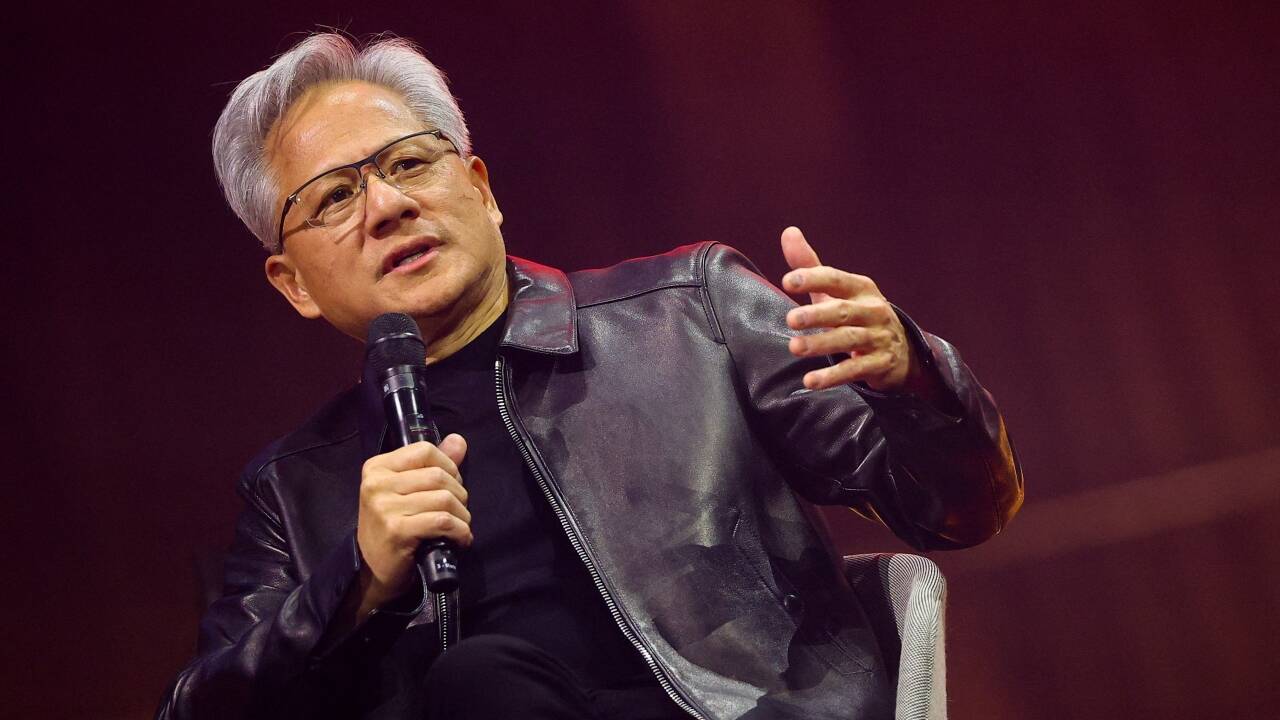
Huang himself seems to recognize the tightrope he's walking. At an all-hands apology meeting at Nvidia's Santa Clara headquarters, he famously ditched his signature black leather jacket for a subdued navy cotton coat. Wardrobe changes won't stop subpoenas, though.
Three Bills That Could Reshape the AI Chip Industry
While cable news obsesses over the affair and Trump's CNBC quotes, the real long-term impact is happening in legislative drafting rooms. Lawmakers from both parties are using the Nvidia crisis to push through strict new export laws that will permanently alter how American tech companies operate abroad.
If you work in tech, invest in semiconductors, or manage enterprise AI infrastructure, watch these three pieces of legislation closely:
- The Remote Access Security Act: Already passed by the House, this bill closes a massive loophole by banning restricted foreign entities from accessing advanced U.S. AI chips remotely via cloud data centers in third-party countries. That is the exact workaround Megaspeed allegedly exploited.
- The Chip Security Act: Designed to mandate physical tracking and verification mechanisms on high-end processors so companies can't claim ignorance when thousands of GPUs mysteriously end up in Beijing or Hong Kong.
- The AI Overwatch Act and Match Act: Companion measures aimed at stripping executive branch discretion over sensitive export licenses, forcing congressional notification before high-compute chips like the H200 or Blackwell systems can be cleared for foreign buyers.
How to Track and Prepare for the Fallout
Whether you hold Nvidia stock in your portfolio or run infrastructure reliant on its hardware, you shouldn't treat this as passing political noise. Tune into the Senate Banking Committee hearing on December 3, 2026, and pay close attention to how Commerce Secretary Howard Lutnick explains the administration's export licensing decisions under oath. If you manage tech investments, stress-test your exposure against sudden regulatory freezes or supply-chain compliance delays as bipartisan export bills advance. Watch the Federal Register for Commerce Department entity-list updates—especially around Southeast Asian data center operators—and monitor SEC filings for new shareholder litigation disclosures.
For a closer look at how Senate Democrats are framing the timeline of Trump's intervention and the national security stakes ahead of the hearings, watch Democrats Vow To Punish Trump After Huang Brought Back As NVIDIA CEO.