Diplomacy usually happens over stiff multi-course state dinners with tiny portions of poached fish and vintage wine. Not when you're dealing with Donald Trump.
If you want to understand how Manila broke the ice with the American president during a high-stakes diplomatic trip, forget formal policy papers. Look at a cardboard bucket of crispy fried chicken.
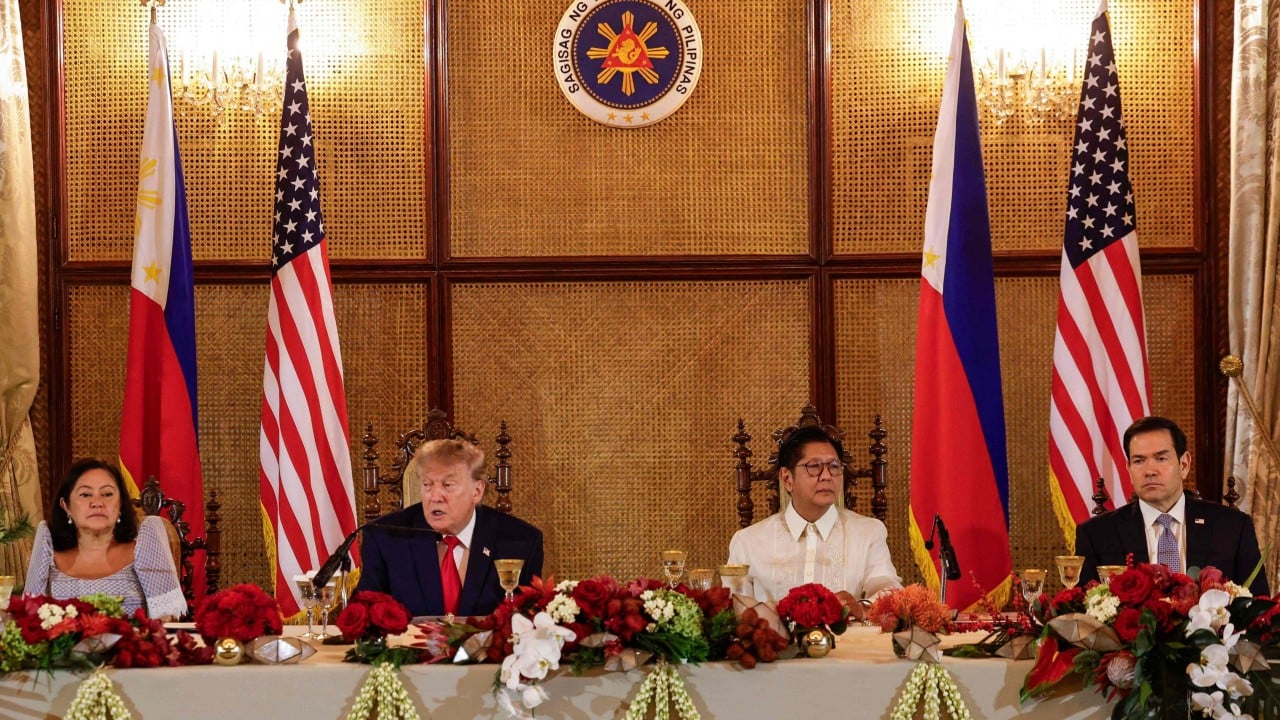
Specifically, Philippine fried chicken diplomacy centered around Jollibee's famous Chickenjoy, a fast-food staple that carries the emotional weight of a national institution in the Philippines. When Trump reacted with a surprised "Oh wow" upon encountering the dish during his ASEAN Summit visit to Manila in November 2017, it became more than a viral soundbite. It turned into a textbook case of culinary soft power—gastrodiplomacy—working exactly the way strategists hope it will.
Why Fast Food Worked Where Formal Protocol Couldn't
Most foreign policy analysts spend their careers obsessing over defense treaties, trade deficits, and joint communiqués. Those things matter, obviously. Yet anyone who has watched international summits up close knows that personal chemistry between leaders often dictates whether a bilateral meeting goes smoothly or hits a brick wall.
Donald Trump has never hidden his preference for American fast food. His fondness for McDonald's, KFC, and well-done steak was widely documented long before he entered the White House. Philippine officials and local hosts didn't try to force a traditional, unfamiliar palate on him right out of the gate—like serving balut or dinuguan for a shock-value photo op. Instead, they met him right where his tastes already lived.
It was smart. Really smart.
By introducing Trump to Jollibee, the Philippines showcased a homegrown global brand that beats McDonald's on its own turf in Southeast Asia. You aren't just handing a visiting head of state a piece of fried chicken; you're handing him proof of Philippine commercial muscle. Jollibee Foods Corporation isn't some mom-and-pop operation. It's one of the largest, fastest-growing Asian restaurant companies in the world, aggressively expanding across North America, the Middle East, and Europe.
The Story Behind the "Oh Wow" Moment
Let's look at what actually happened on the ground in Manila during the 2017 East Asia Summit and ASEAN meetings.
Tensions in the region were high. The agenda was packed with heavy topics: North Korea's nuclear program, maritime disputes in the South China Sea, and shifting US trade policies under Trump's "America First" doctrine. Security across Metro Manila was locked down tight, and protesters were marching in the streets.
Amid all that geopolitical friction, Jollibee found its way into the orbit of the US delegation and press corps. When Trump sampled the Chickenjoy—crispy skin, juicy meat, served alongside that signature savory brown gravy—his immediate reaction was a simple, unscripted "Oh wow."
Two words. That's all it took.
In diplomatic terms, an unguarded moment of genuine enjoyment from a notoriously unpredictable leader is pure gold. You can't buy that kind of organic publicity with a multimillion-dollar PR firm in Washington, D.C. Filipino social media erupted immediately. To Filipinos at home and across the global diaspora, seeing the US president validate their favorite comfort food felt like a cultural victory.
What Makes Jollibee Different From American Fried Chicken?
If you've never eaten at a Jollibee, you might wonder why people make such a fuss over fried chicken. After all, the United States invented modern fast-food fried chicken.
Here's the difference:
- The marination process penetrates deeper into the meat, giving it a distinct savory-sweet profile rather than relying solely on heavily spiced breading.
- The gravy isn't an afterthought. While American chains treat gravy as a side for mashed potatoes, Jollibee serves a rich, peppery gravy meant specifically for dunking or pouring directly over the chicken and steamed white rice.
- The cultural context turns a quick meal into a point of national pride. In the Philippines, Jollibee isn't just cheap food; it's where families celebrate birthdays, graduations, and paydays.
When you put that in front of someone who already loves fried chicken, the contrast is immediate. It feels familiar enough to be comforting, yet distinct enough to spark curiosity.
Gastrodiplomacy Isn't a New Trick, Just an Underrated One
Political scientists have studied "gastrodiplomacy" for decades, though it rarely gets top billing on cable news. The term gained traction in the early 2000s when Thailand launched its "Global Thai" program, actively funding and supporting Thai restaurants abroad to boost tourism, exports, and international goodwill.
South Korea followed suit with its kimchi and bibimbap campaigns. Peru turned ceviche and pisco sours into global culinary ambassadors.
The Philippines took a slightly different route. Rather than relying solely on fine-dining chefs to rebrand Filipino cuisine for Michelin-guide elites, Philippine soft power rode on the back of a cheerful red bee mascot.
Think about why that works better for everyday influence:
- Accessibility beats exclusivity. A $150 tasting menu in Manhattan reaches a tiny fraction of wealthy diners. A $10 bucket of fried chicken in Queens, Daly City, or downtown Chicago reaches working families, students, and neighborhood regulars every single day.
- Repeat exposure builds familiarity. People don't eat fine dining every week, but they grab lunch at a fast-food counter constantly.
- Diaspora networks amplify the brand. Overseas Filipino Workers (OFWs) act as natural brand ambassadors, bringing non-Filipino friends and coworkers to try Chickenjoy and sweet-style Jolly Spaghetti.
When Trump reacted positively in Manila, it amplified a marketing wave that Jollibee had already spent years building across California, Texas, New York, and Virginia.
What Critics and Skeptics Get Wrong About Food Diplomacy
Whenever a story like this trends, a certain crowd of foreign policy purists rolls their eyes. They argue that fried chicken doesn't solve territorial disputes, tariff wars, or human rights criticisms.
They're right, of course. A bucket of Chickenjoy doesn't rewrite international law.
But dismissing soft power because it doesn't single-handedly sign a peace treaty misses the entire point of how human relationships work at the highest levels of government. Diplomacy is built on friction reduction. When two leaders or two nations share a positive cultural touchpoint, it lowers the temperature in the room. It creates a baseline of warmth that makes hard conversations slightly easier to navigate.
During Trump's 2017 visit, the US-Philippines alliance was navigating rough waters. President Rodrigo Duterte had frequently clashed with the Obama administration and threatened to pivot away from Washington toward Beijing. Finding common ground—even over something as seemingly trivial as fast food and shared musical tastes—helped stabilize the personal rapport between the two presidents.
How Jollibee Turned Cultural Clout Into North American Expansion
You don't need to take my word for how effective this cultural visibility has been. Look at the business trajectory that followed in the years after that 2017 summit.
Jollibee didn't treat American expansion as a vanity project. They targeted cities with dense Filipino populations first, locking in massive opening-day lines that generated local news coverage. Then, once non-Filipino locals saw people camping out in freezing weather for fried chicken, curiosity did the rest.
By the mid-2020s, Jollibee had crossed the 100-store milestone across North America, pushing aggressively toward its goal of 500 stores in the region. Food critics at major outlets—including Eater, Business Insider, and USA Today—regularly ranked Chickenjoy above established American giants like KFC, Popeyes, and Chick-fil-A in blind taste tests.
That's the real lesson behind Philippine fried chicken diplomacy. The food actually backed up the hype. If the product had been mediocre, Trump's "Oh wow" would have been forgotten by the next morning news cycle. Because the chicken genuinely holds its own against America's best fast-food chains, the viral moment stuck.
Lessons for Brands, Communicators, and Strategists
Whether you work in public relations, international business, or brand marketing, there are practical takeaways you can apply right away from how Manila handled that moment:
- Meet your audience on their home turf. Don't force someone to appreciate your most obscure offering first. Find the overlap between what they already love and what you do best.
- Let unscripted reactions breathe. Over-engineered photo ops look fake and make people cringe. Creating the conditions for an authentic reaction is always stronger than handing someone a script.
- Own your commercial champions. Countries often shy away from celebrating pop-culture or fast-food exports because they want to appear "sophisticated." Sometimes your biggest cultural asset is the thing everyday people actually buy and love.
- Quality sustains attention. Virality opens the door, but product excellence keeps people coming back once the cameras leave.
If you want to experience this piece of diplomatic history firsthand, skip your usual drive-thru routine this week. Find the nearest Jollibee location, order a two-piece Chickenjoy meal with extra gravy and steamed rice, and taste for yourself why a seasoned fast-food critic in the Oval Office couldn't help saying "Oh wow."