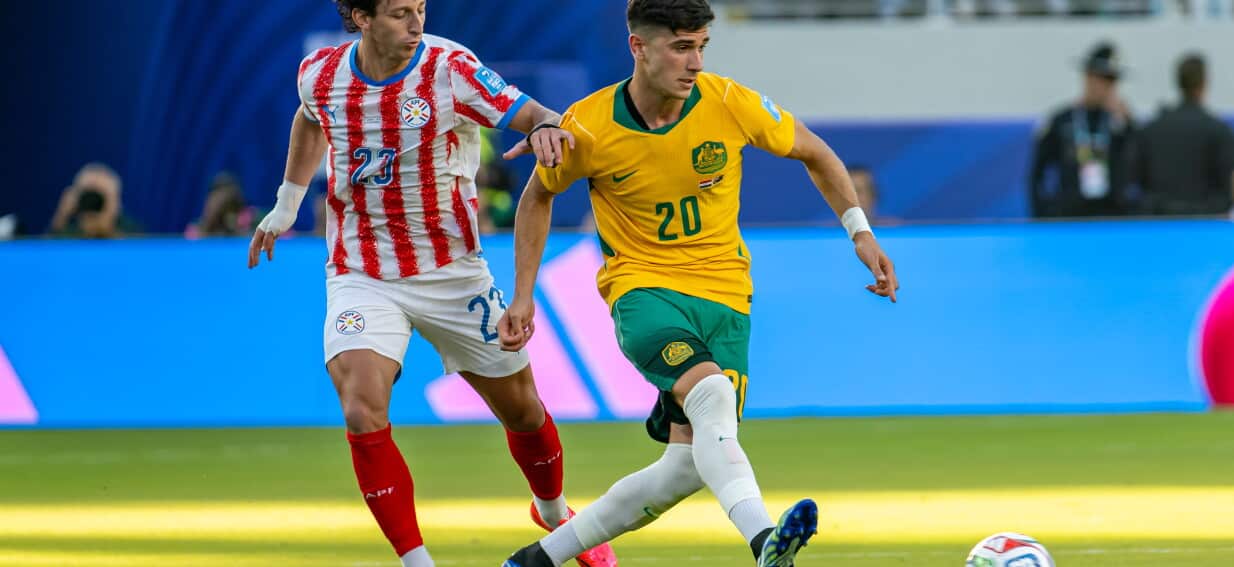
The modern sports media machine loves a crisis narrative. When a sudden thunderstorm forced the Spanish national football team to skip their scheduled pitch walk—the ritualistic "reconocimiento del terreno"—before their latest international match, the press treated it like a tactical catastrophe. Headlines lamented the lost opportunity. Pundits speculated on how the lack of familiarity with the grass would destroy Spain’s spatial awareness, ruin their passing game, and give their opponents an insurmountable psychological edge.
What absolute nonsense.
The idea that elite, world-class footballers need to stroll around an empty stadium in sneakers twenty-four hours before kickoff to "feel the grass" is one of the most overblown, sentimental myths in professional sports. It is a legacy ritual masquerading as essential preparation.
I have spent over fifteen years working alongside performance analysts and elite coaches in European football. I have watched clubs spend tens of thousands of dollars optimizing every micro-second of a player’s day, only to turn around and indulge the absurd superstition that walking on a pitch in denim jeans somehow alters a player's technical execution the next day.
Let us dismantle the lazy consensus surrounding pitch recognition and look at the actual mechanics of elite athletic performance.
The Myth of Visual Familiarity
The core argument for the traditional pitch walk is that players need to gauge the dimensions of the stadium, the height of the stands, and the specific texture of the turf.
This premise is fundamentally flawed.
Every single stadium hosting a top-tier international match or major tournament operates under strict UEFA or FIFA regulations. The pitch dimensions for elite competitions are standardized at 105 by 68 meters. The grass is cut to a precise height, usually between 24 and 28 millimeters, and heavily watered right before kickoff to ensure maximum ball speed.
Top-tier players do not orient themselves based on the unique architecture of the stands. They orient themselves based on the white lines on the grass, the position of the ball, and the movement of their teammates and opponents. A penalty box in Madrid is identical to a penalty box in Berlin, London, or Munich.
To suggest that a player like Rodri or Lamine Yamal will misplace a thirty-yard pass because they did not stand in the center circle the evening before the game insults their spatial intelligence. Elite athletes possess highly developed proprioception and visual tracking systems. They adapt to the surface within the first three minutes of the actual warm-up, not during a leisurely media-friendly stroll twenty-four hours earlier.
The Psychological Illusion of Preparation
Coaches often defend the pitch walk as a psychological necessity. They claim it helps players visualize the match and acclimatize to the environment.
In reality, the traditional pitch walk has devolved into nothing more than a glorified photo opportunity. Look at any footage of a team conducting a pitch recognition session. The players are not visualizing tactical patterns. They are walking around in tracksuits, listening to music on giant headphones, taking selfies, and chatting with reporters. It is a low-stakes social hour that provides zero cognitive stimulation.
If a team truly requires visualization exercises, doing so in a sterile, empty stadium is the least effective method. Sport psychology research shows that effective visualization requires the replication of match-day stressors—noise, intensity, and high cognitive load. Walking around a quiet, empty bowl does not prepare a player's brain for the chaotic sensory overload of eighty thousand screaming fans.
In fact, forcing a rigid schedule that includes traveling to the stadium the night before a game can introduce unnecessary physical fatigue. The Spanish team avoided a useless commute through a thunderstorm, saved their players from sitting on a damp bus, and stayed at their hotel to rest. That is not a setback; it is an accidental competitive advantage.
What Actually Matters: The Mechanics of the Ball
If you want to talk about variables that actually impact a football match, stop looking at the stadium architecture and start looking at the ball and the atmospheric conditions.
The interaction between the ball and the turf changes drastically between 8:00 PM on a Friday and 8:00 PM on a Saturday, depending entirely on humidity, temperature, and pre-match watering. A pitch walk on Friday evening tells a player absolutely nothing about how fast the ball will skim across the surface on Saturday night after a pre-game downpour and a high-pressure watering system have saturated the topsoil.
Elite performance staff do not care about a player's subjective opinion of the grass from the previous day. They care about data:
- Pace of the pitch: Measured by objective ball-roll tests conducted by the ground crew hours before kickoff.
- Moisture retention: How the specific drainage system handles sudden rainfall.
- Stud selection: The only piece of tangible preparation that actually matters. Players determine whether to use molded studs, metal-tipped mixed studs, or long soft-ground studs during the intensive pre-match warm-up, based on the immediate traction they feel while accelerating and changing direction.
The warm-up—which occurs forty-five minutes before the whistle blows—is the only relevant period for surface adaptation. Anything done before that is theater.
The Real Cost of Outdated Rituals
The insistence on maintaining these outdated routines highlights a broader issue in football culture: a systemic fear of breaking tradition, even when the tradition offers zero measurable value.
Clubs and national teams routinely prioritize media obligations and marketing-driven schedules over optimal recovery windows. A pitch recognition session forces players to break their recovery cycles, put on travel gear, travel through city traffic, and stand around on a pitch when they should be receiving treatment, sleeping, or engaging in targeted tactical meetings.
The Spanish team's forced cancellation of their pitch walk exposed the sheer irrelevance of the practice. They did not lose an edge; they gained a quiet evening of uninterrupted recovery.
Stop treating the pitch walk as a vital tactical pillar. It is an artifact of a bygone era when stadium qualities varied wildly and pitch maintenance was an afterthought. Today, the environments are hyper-standardized, the players are hyper-professional, and the margins of victory are determined by physical freshness and tactical execution—not by a ceremonial walk in the park.