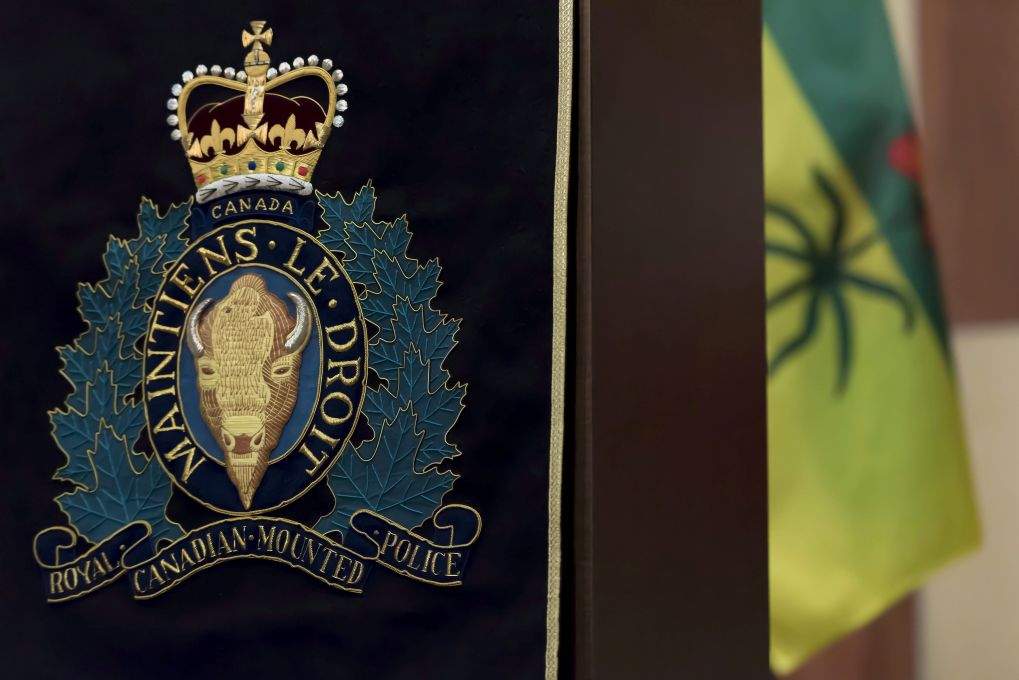
A 37-year-old man goes from an arrest on Thunderchild First Nation to a jail cell in Turtleford, Saskatchewan. Ninety minutes later, he is dead.
That sudden timeline sits at the heart of an independent investigation now underway by the Saskatchewan Serious Incident Response Team, known as SIRT. When someone dies behind a police-locked door, public trust fractures immediately.
People want answers. They want to know how a standard arrest turns fatal within an hour and a half.
The Timeline at Turtleford Detachment
According to the Saskatchewan RCMP, officers executed a warrant at a home on Thunderchild First Nation. The arrest happened without incident. That phrase matters in policing, but it leaves massive gaps.
Officers transported the man to the Turtleford RCMP detachment cells, arriving at approximately 1:30 p.m. Just ninety minutes later, around 3:00 p.m., the situation collapsed into a crisis.
The man experienced acute medical distress inside his cell. Officers stepped in to provide medical assistance and called emergency medical personnel to the facility. Despite those efforts, he was pronounced dead at the scene.
His family was notified, but concrete details about his final moments remain scarce while the external oversight body handles the file.
How Independent Oversight Works in Saskatchewan
When an in-custody death happens, police departments cannot investigate themselves. That model lost public confidence decades ago.
Enter SIRT. This civilian-led oversight body steps in whenever someone dies or suffers serious injury during a police interaction, or while held in custody.
SIRT operates independently from the RCMP. Their investigators deploy directly to the scene, secure evidence, review cell block security footage, and interview witnesses or responding officers.
The goal isn't just to assign blame. The mandate requires a totally transparent accounting of whether proper protocols were followed, whether medical attention arrived fast enough, and whether warning signs were missed by guard staff.
The Broader Pattern of Detachment Deaths
Turtleford isn't an isolated anomaly. Similar watchdogs across Canada routinely deploy to small-town detachments following sudden medical crises in holding cells.
Small detachments often lack on-site medical professionals, relying instead on jail guards and arresting officers to monitor detainees. That creates unique vulnerabilities.
When a person enters a cell intoxicated, stressed, or dealing with underlying health issues, recognizing a medical emergency requires sharp training. A detainee knocking on a door or complaining of pain can easily be misread as routine resistance or withdrawal symptoms.
Watchdog reports from past cases highlight recurring issues. Communication gaps between booking officers, shift-change guards, and emergency responders frequently surface as critical failure points.
What Happens Next in the Investigation
SIRT will now compile witness statements, medical examiner findings, and internal detachment logs.
If investigators uncover criminal negligence or policy violations, public charges can be laid against individual officers. If they find no wrongdoing, SIRT will still publish a detailed investigative report outlining the exact sequence of events leading up to the tragedy.
True accountability requires more than a press release. It demands open scrutiny of every minute spent behind locked cell doors.