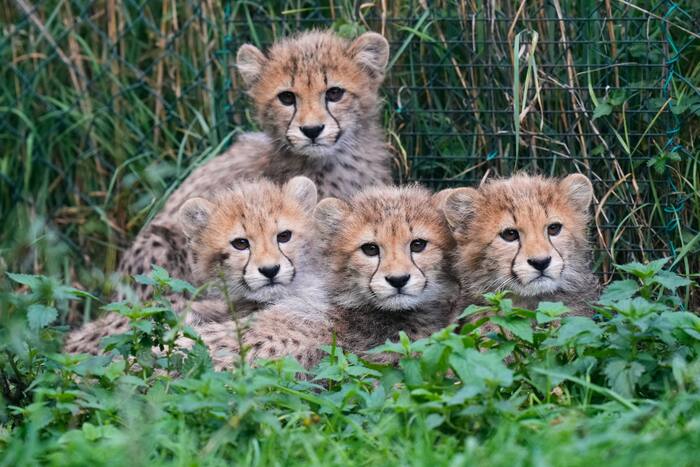
Breeding endangered cats in captivity is a high-stakes gamble. One moment everything is tracking according to plan, and the next you are facing torrential storms and a nursing mother falling seriously ill. That is precisely the reality zoo keepers at Prague Zoo faced recently when their newest litter of cheetah cubs needed every ounce of professional expertise to survive a brutal combination of severe weather and maternal health scares.
If you have been following zoo conservation updates, you know that cheetahs are notoriously difficult to breed outside their native habitats. Their stress levels spike easily, reproductive success rates fluctuate wildly, and young cubs have notoriously fragile immune systems during their first few weeks of life. When severe thunderstorms rolled across the region, dropping heavy rain and plunging temperatures, the stress on the new mother and her vulnerable offspring multiplied overnight.
Surviving the Storms
Wild cheetahs face relentless environmental pressures, but captive breeding programs introduce entirely different challenges. Severe weather events can compromise den safety, flood enclosures, and cause extreme behavioral stress in nursing females. Prague Zoo experienced this firsthand when intense storms hit the facility right after the birth.
High winds and plummeting barometric pressure often trigger anxiety in big cats. When a mother cheetah experiences acute stress, her milk production can drop drastically, or worse, she may accidentally neglect her litter. Keepers had to monitor the enclosure's microclimate constantly, ensuring the nesting area remained dry, warm, and secure while avoiding direct human intervention that might trigger maternal rejection.
Managing Maternal Illness
The weather was only half the battle. Shortly after the storms passed, the mother cheetah fell ill, leaving the fragile cubs without proper maternal care at a critical developmental stage.
Handling a sick apex predator requires precise medical intervention. Veterinarians had to balance treating the mother's infection with minimizing the disruption to her scent and routine, which keeps the family unit stable. When a nursing mother gets sick, the risk shifts immediately to the offspring. Prague Zoo's veterinary team stepped in with supplemental care, stepping up round-the-clock observations, and ensuring the cubs received vital nutritional support until the mother recovered her strength.
Why Every Single Cheetah Matters
The global cheetah population is in steep decline. Habitat loss, human-wildlife conflict, and a dangerously low genetic diversity bottleneck have pushed the species toward the brink. Every successful birth in a controlled environment represents a vital genetic backup for a species struggling in the wild.
Conservation breeding is not just about keeping animals alive in enclosures. It is about maintaining robust studbooks, preserving genetic variations, and educating the public about the realities of wildlife conservation. When a zoo successfully navigates a crisis like the one at Prague, it adds valuable data to the global zoological community's playbook.
What Recovery Looks Like Now
The latest updates from Prague Zoo confirm that the worst has passed. The mother has fully recovered from her illness, her milk supply is stable, and the cubs are gaining weight right on schedule. They are starting to explore their surroundings, testing out their coordination, and showing the playful aggression typical of young cats.
Keepers are keeping a close eye on their socialization and motor skills development. While visitors might not see them bounding across the main exhibit just yet, their steady recovery marks a massive win for European breeding programs. Nature throws obstacles at conservationists every single day. Overcoming them takes preparation, speed, and a refusal to let setbacks dictate the outcome.


