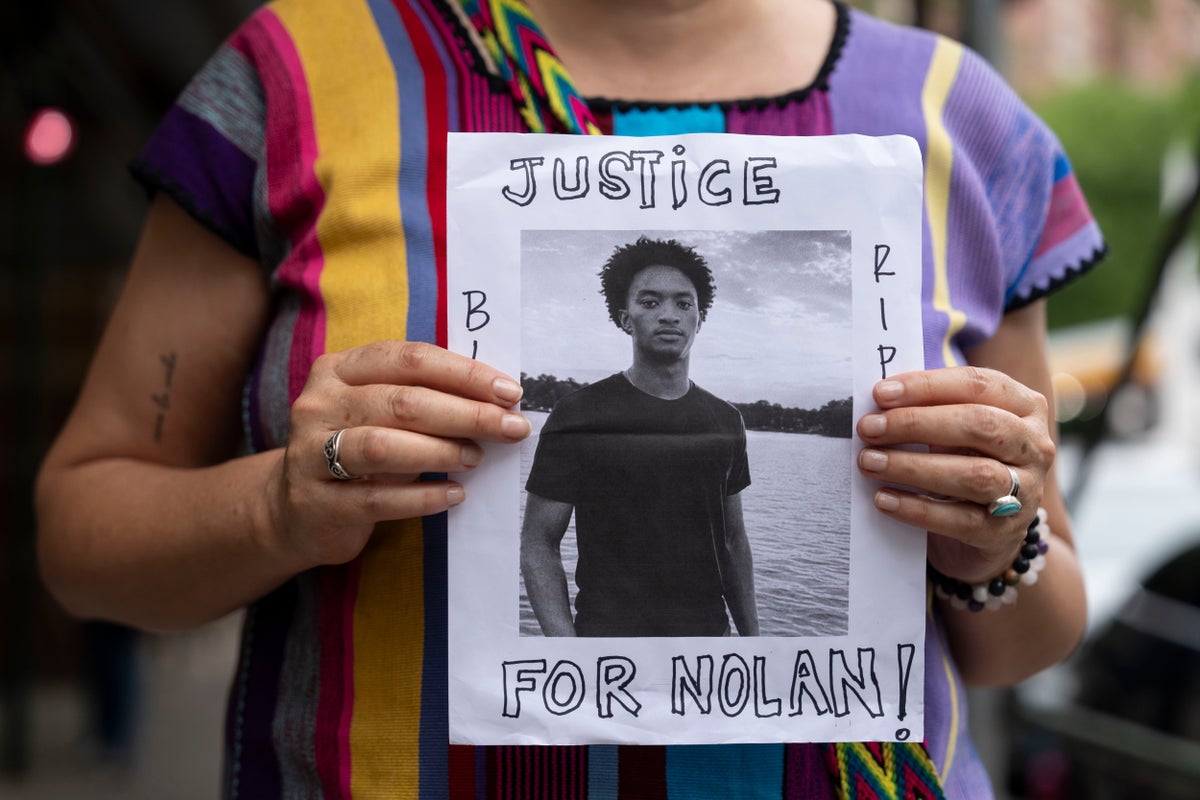
The national press circuit loves a scheduled press briefing. When attorney Ben Crump announced that independent autopsy results for 18-year-old Nolan Wells would be unveiled at the NAACP National Convention in Chicago, the media immediately lined up its camera crews.
It is a familiar script. A tragedy occurs on a Mississippi coast, a grief-stricken family seeks answers, public speculation catches fire, and celebrity capital—from Colin Kaepernick funding private pathologists to Tyler Perry offering reward money—pours in to fill the void left by slow-moving state institutions.
The consensus narrative tells you that high-profile press conferences at national political conventions are the premier vehicle for accountability. That narrative is dead wrong.
Turning forensic medical findings into staged media events actively undermines the integrity of real criminal investigations, creates impossible evidentiary hurdles, and treats the cold mechanics of pathology like a episodic drama rollout.
The Flawed Premise of Trial by Press Release
When local law enforcement announced early in the investigation that no foul play was immediately suspected, civil rights leaders rightly criticized the premature declaration. You cannot rule out a crime before the state medical examiner finishes a basic toxicology report.
Yet, the counter-strategy deployed by high-profile legal teams commits the exact same sin in reverse.
By framing an independent autopsy as a grand reveal tailored for a convention stage, legal strategists prioritize public sentiment over legal admissibility. Having worked alongside forensic experts and trial attorneys across contested death cases, I have seen this movie before. Public optics and courtroom evidence operate on entirely opposite principles.
- Public Optics demand immediate narrative clarity, dramatic physical reveals, and absolute declarations of wrongdoing.
- Courtroom Admissibility demands chain-of-custody documentation, peer-reviewed methodology, and meticulous cross-examination that withstands defense motions.
When a private pathologist presents preliminary findings to a room of journalists rather than submitting them directly to a prosecuting district attorney or grand jury under seal, they hand defense lawyers a goldmine of impeachment material. Every casual word spoken from a podium becomes a potential point of contradiction during a future deposition.
The Independent Autopsy Trap
Let us dismantle the myth of the "independent autopsy" as an infallible truth machine.
Private forensic evaluations are vital secondary checks against incompetent or underfunded municipal coroners. That is an undeniable structural necessity in rural jurisdictions. But calling a second examination "independent" when it is commissioned, directed, and publically packaged by civil litigation attorneys is a semantic sleight of hand.
"A private autopsy is a client-funded medical report prepared for potential litigation. Treating it as neutral statutory truth is fundamentally naive."
Consider the mechanics of a secondary autopsy conducted days or weeks after the primary procedure:
- Disturbed Tissue: The primary medical examiner has already dissected organs, severed blood vessels, and drained bodily fluids. A second examiner inspects a compromised canvas.
- Selective Scope: Private pathologists focus specifically on proving or disproving injuries highlighted by the hiring team—such as looking exclusively for traumatic asphyxiation or non-drowning injuries.
- The Media Framing: Negative findings (e.g., confirming drowning without physical struggle) rarely receive dedicated press releases; only provocative discrepancies make the morning broadcast.
When local authorities delay official toxicology reports, it breeds suspicion. But rushing out preliminary private assessments to feed a 24-hour news cycle creates a secondary risk: conditioning the public to accept preliminary theories as proven facts before a grand jury ever sees a forensic slide.
Stop Asking for Speed. Demand Forensic Precision.
The public outcry surrounding Nolan Wells' death stems from legitimate historical distrust of local law enforcement. When four white teenagers leave an 18-year-old Black youth on an island, take his phone and keys, and fail to alert authorities, outrage is the only rational human response.
Channeling that legitimate outrage into courtroom results requires procedural discipline, not procedural shortcuts.
If civil rights advocates want accountability, they must stop treating law enforcement's slow pace as inherently sinister while treating private legal maneuvers as gospel. Toxicology screens take six to eight weeks because gas chromatography-mass spectrometry requires precise calibration. Hasty declarations from either side poison the jury pool and invite mistrials down the road.
Justice is not delivered on a stage at McCormick Place. It is forged through tedious, unglamorous forensic discovery, phone data extraction, and sworn grand jury testimony. Until the public stops demanding immediate theatrical resolution to complex death investigations, we will continue to trade actual conviction rates for temporary headlines.
Watch this Grand jury review update to see how the legal case is progressing toward formal proceedings.