The roar of a crowd is not a sound you hear with your ears. It is something that settles in your chest, a heavy, vibrating pressure that rattles your ribs and makes the small hairs on your arms stand straight.
Step into an arena when the lights drop and the bassline hits your sternum. The air smells of spilled draft beer, expensive cologne, floor cleaner, and the sharp, metallic tang of adrenaline. Everyone is looking at the same center point. A canvas squared circle enclosed by black vinyl chain-link. A cage.
Behind that cage, the arithmetic of modern spectacle unfolds.
We talk about sports as if they exist in a vacuum of sweat and scoreboards. We look at a fighter bleeding under the blinding television lights, gasping for air in the final seconds of a five-round war, and we think that is the whole story. But every punch thrown inside those eight sides has a ledger attached to it. Every flash of pyro, every stadium rental agreement, every security detail, and every chartered flight carries a cost. Sometimes, that cost dwarfs the receipts.
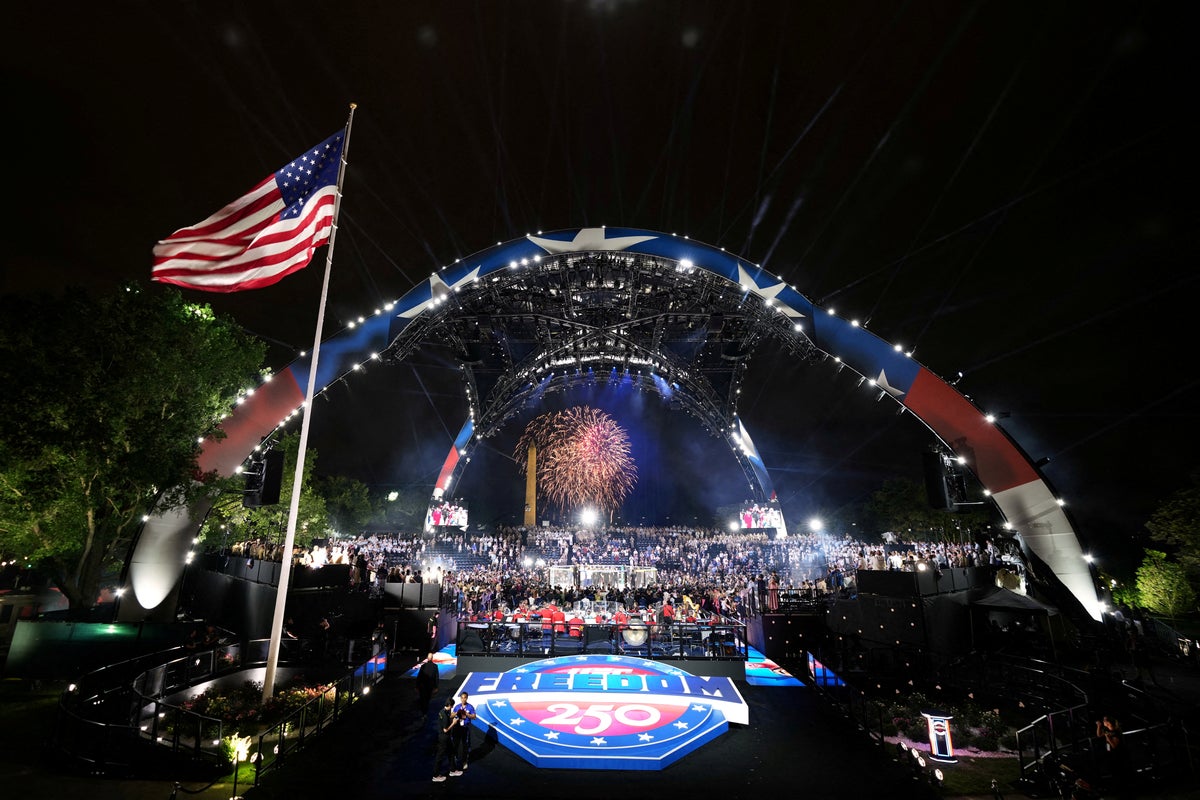
Consider what happened when the bright lights of Washington cast long shadows across a massive sporting production.
The numbers came out later, cold and unmoving on a financial statement. Thirty million dollars. That was the deficit left in the wake of a high-profile, politically charged combat sports showcase inside the nation's capital.
Loss.
It is a jarring word in a industry built on the mythology of infinite growth, where promoters pound their chests and scream about record-shattering gates and pay-per-view dominance. Yet, the corporate disclosures laid it bare. Putting on a massive, marquee event in the political heart of the country did not print money. It drained it.
To understand why, you have to look past the marquee and into the logistics of modern empire-building.
Imagine trying to move a traveling circus of three hundred people, multi-ton LED screens, broadcast trucks, lighting rigs, and world-class athletes into a hyper-secure urban center. Add the intricate choreography of Secret Service protocols, street closures, heightened security perimeters, and municipal permits. The overhead multiplies by a factor that normal arena mathematics simply cannot sustain.
Promoters gamble on scale. They bet that the prestige of the zip code will translate into cultural gravity. They believe that standing inside the shadow of the monuments will elevate the brand from a regional blood sport into an untouchable American institution.
Prestige is expensive.
When a company drops thirty million on a single night, it forces a reckoning. It strips away the illusion that every venture turns to gold simply because the right names are attached to the marquee. It reminds us that business is precarious, even for the giants.
Yet, the fans in the cheap seats did not care about the balance sheet.
They wanted blood, sweat, and a brief escape from their mortgages and commuter traffic. They wanted to see two modern gladiators leave everything on the canvas while the camera flashes flickered like distant lightning. When a knockout landed with a wet, cracking thud that echoed off the arena rafters, the financial loss vanished into the roar. To the crowd, the spectacle was priceless. To the accountants back at corporate headquarters, it was a migraine wrapped in a spreadsheet.
This is the eternal tension of the entertainment economy. The artists and the audience chase the transcendental moment. The operators chase the margin.
Most of the time, the machine balances itself out. A massive pay-per-view buyrate here, a lucrative international site fee there, and the losses of an ambitious night in the capital get absorbed into the broader corporate machinery. But thirty million is a heavy anchor to drag. It forces a pause. It makes the boardroom colder and the risk assessments longer the next time someone points to a map and says, "Let's build the cage there."
The lights have long since been torn down. The canvas has been rolled up, packed into semi-trucks, and hauled away to the next city. The arena floor is quiet again, save for the custodians sweeping up peanut shells and crushed plastic cups.
Outside, the monuments stand indifferent to the financial wreckage of a single evening of violence and theater. The city sleeps. And somewhere in a sleek corporate office, an executive stares at a line of red ink, wondering if the roar was worth the price.