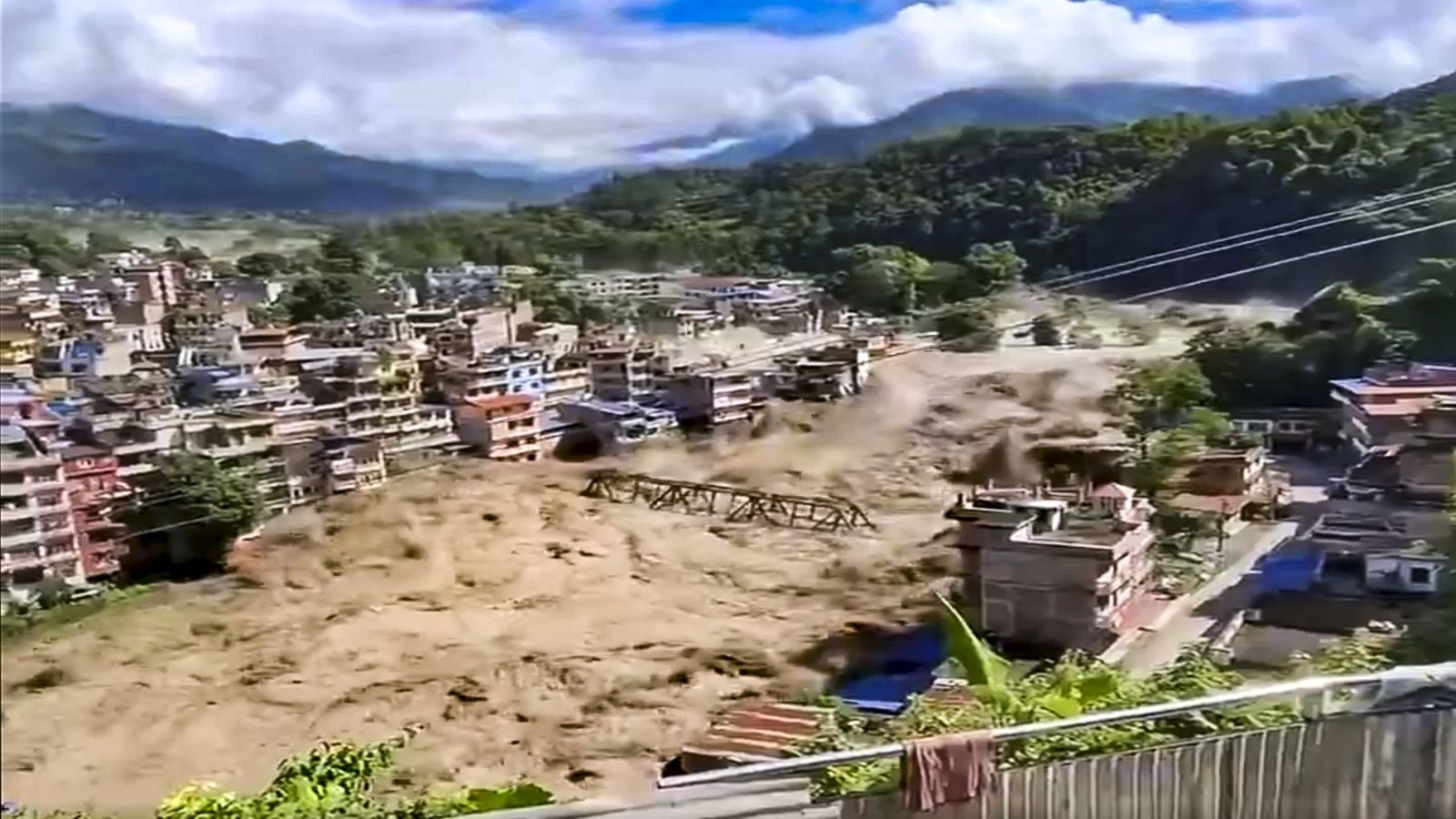
Water does not merely flow through Apple Valley. It accumulates weight.
For the sixty-five thousand residents scattered across this high-desert community in San Bernardino County, the monthly utility bill became a quiet barometer of anxiety. Imagine opening an envelope to find that the lifeblood of your household—the simple act of turning on a kitchen tap—has transformed into an unpredictable financial drain. That friction is where a decade-long war began. Meanwhile, you can explore related events here: New Zealand Immigration Overhaul Misses the Real Trap Facing Trade Workers.
The story does not start in a courtroom. It starts in 2010, when a private equity firm, Carlyle Infrastructure Partners, acquired the Apple Valley Ranchos Water Company. Corporate ownership of a municipal resource introduces a fundamental philosophical collision. A town sees water as a public trust, a shared baseline for survival under a relentless sun. A private enterprise sees infrastructure, shareholder value, and yield. Soon enough, rates climbed. Public anger boiled over into town hall meetings where residents voiced a singular, urgent frustration.
Water should belong to the people who drink it. To see the complete picture, we recommend the recent analysis by Reuters.
Consider what happens next when local government decides it has had enough. In 2015, the Apple Valley Town Council took a dramatic step, approving formal resolutions of necessity to condemn the water system and seize its pipes, pumps, and wells via eminent domain. Municipalities have broad powers to take private property for public use, provided they pay just compensation. Yet, this mechanism was never designed for a sprawling network of subterranean water mains serving an entire community.
A legal trench war commenced.
While the initial shots were fired against Carlyle, the target shifted beneath the town's feet. The utility was sold again, this time to Liberty Utilities, a subsidiary of Canada-based Algonquin Power & Utilities Corp. Liberty dug in. They did not intend to yield the territory without a fight. What followed was a grueling, sixty-seven-day bench trial in the San Bernardino County Superior Court.
Picture the courtroom arguments. Expert witnesses testified about engineering standards, cost-benefit projections, and operational efficiencies. Liberty Utilities argued that a public takeover was completely unnecessary and that municipal ownership offered no inherent advantage to consumers. The trial judge agreed, ruling in favor of the utility and stunning the town by ordering Apple Valley to pay 13.2 million dollars in legal fees.
For most ordinary litigants, a defeat of that magnitude spells the end. But Apple Valley appealed, pushing the battle higher into the judicial architecture of California. An appellate court reversed the lower decision, breathing new life into the town's ambitions and setting off a high-stakes standoff over judicial deference.
The core legal question that ultimately reached the California Supreme Court transcended the borders of San Bernardino County. At issue was a 1992 state law designed to give private utility companies extra layers of protection against municipal takeovers. When a town declares a public necessity, do courts automatically defer to local elected officials, or must a judge independently scrutinize the evidence?
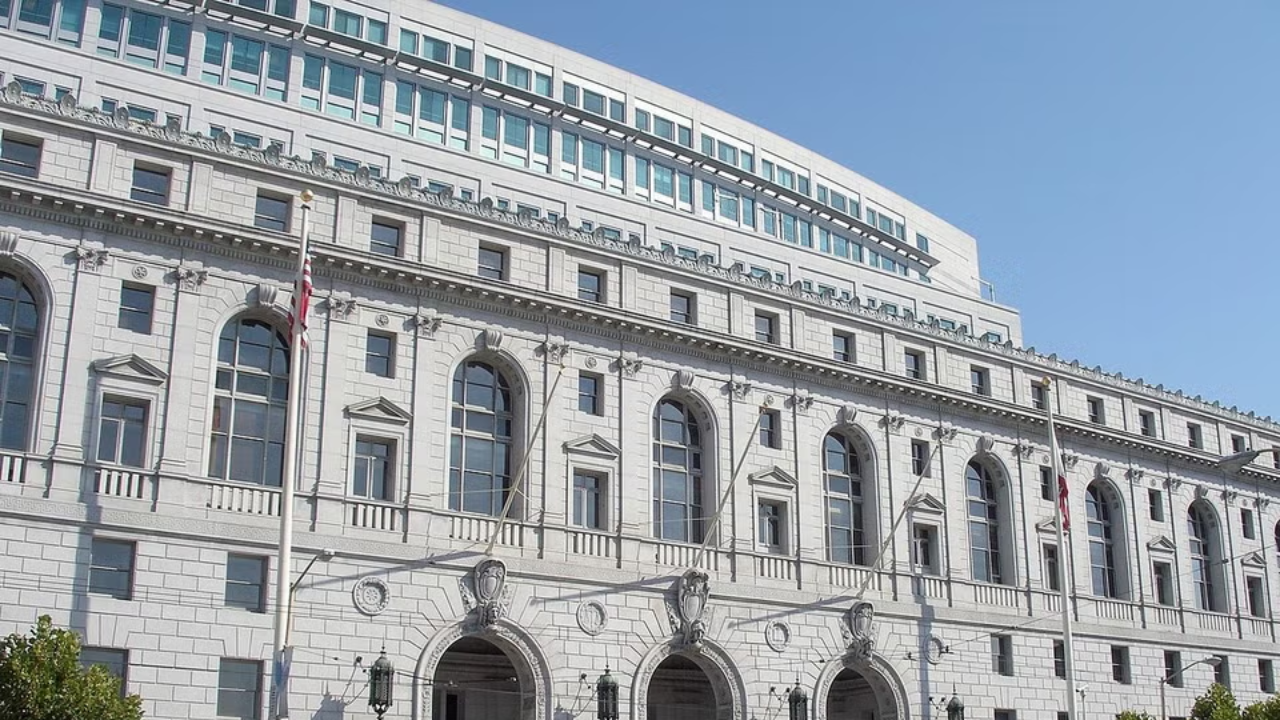
On a quiet August morning, the state's highest court answered with absolute clarity. In a unanimous 7-0 ruling, the Supreme Court justices sided against the town's argument for automatic deference, holding that trial courts must exercise independent judgment to test whether a private utility has successfully rebutted the necessity of a takeover.
Justice Leondra Kruger, writing for the court, made it clear that a municipal resolution of necessity is not the final word in a condemnation proceeding. The decision did not definitively hand the water system to the town, nor did it bar the door forever. Instead, it stripped away the town's shortcut, sending the sprawling case back down to the Court of Appeal to be re-evaluated under a much heavier legal burden.
Ten years of litigation. Millions of dollars spent. Thousands of residents watching from the sidelines.
The tap still turns in Apple Valley. Water still arrives in the morning, carrying with it the invisible history of corporate ledgers, courtroom cross-examinations, and supreme constitutional questions. The pipe network remains under private management for now, but the underlying thirst for local control remains unquenched.
The high court has raised the bar, but the desert keeps its memory in the dry earth, waiting to see who will ultimately hold the keys to the well.