The screen flashes green for a fraction of a second, and then the crushing reality sets in. Sold out.
You sat there at ten in the morning, coffee cooling on the desk, finger hovering over the mouse button like a digital trigger. You did everything right. Yet, milliseconds after the box office doors opened virtually, the thousands of seats you hoped for vanished into the ether. Within minutes, those exact same seats reappear on secondary marketplaces, glowing with inflated prices that demand a month of groceries for a single evening of live music.
It feels personal. It feels rigged. And as it turns out, the regulators in Ontario agree.
StubHub, one of the heavyweights of the ticket resale industry, recently found itself staring down a hefty fine from provincial authorities for allegedly violating Ontario’s ticketing laws. The accusation points straight at the core anxiety of modern concert and sports attendance: hidden fees, opaque pricing, and the relentless creep of speculative listings. StubHub plans to appeal, setting the stage for a prolonged legal duel that exposes the messy, high-stakes mechanics of how we buy the right to gather and cheer.
To understand why this matters, you have to look past the corporate press releases and corporate defense statements. You have to look at what happens in the living rooms of fans who just want to watch their favorite bands without taking out a second mortgage.
Picture Sarah, a dedicated music lover living just outside of Toronto. For months, she promised her teenage daughter tickets to see a globally renowned pop icon touring through Rogers Centre. When the tour was announced, Sarah followed every rule. She registered for presales, verified her account, and waited in the digital queue with fifty thousand other hopefuls.
When her turn finally arrived, the affordable floor seats were entirely gone. The remaining options were hundreds of dollars above face value, saddled with service fees that materialized only at the final checkout screen. Frustrated, exhausted, and desperate not to break a promise to her child, she paid the ransom.
Sarah is not alone in that frustration. Millions of fans experience this digital tollbooth effect every single year. The secondary ticket market operates like a shadow stock exchange where emotions drive the valuation. When scarcity is engineered or exacerbated by institutional scalpers using automated software bots, the ordinary fan gets squeezed out.
Ontario tried to draw a line in the sand. Provincial legislation was designed to inject transparency into the chaos, capping resale markups in past iterations and demanding that platforms show the true, all-inclusive price of a ticket upfront. No more nasty surprises at the final click. No more hiding the real cost until the buyer is emotionally invested in the transaction.
Yet, enforcement is where theory meets friction.
Regulators argue that platforms operating as intermediaries must police their listings with absolute rigor, ensuring that sellers actually possess the tickets they list and that consumers see real prices from the very beginning. StubHub, conversely, views itself as a neutral bulletin board—a digital town square where buyers and sellers meet safely, arguing that holding a marketplace strictly accountable for every individual listing places an impossible burden on open commerce.
This is the fault line of the modern live entertainment economy. On one side stands consumer protection, arguing that live experiences should not become an exclusive luxury reserved only for the ultra-wealthy. On the other side stands the philosophy of the open market, where supply and demand dictate every dollar, and platforms argue that restriction only drives buyers into shady, unverified dark corners of the internet.
The appeal process will take months, perhaps years. Lawyers in sharp suits will parse statutory language, debate jurisdictional boundaries, and argue over legislative intent in quiet courtrooms far removed from the screaming crowds of an arena floor.
Meanwhile, the music keeps playing. The stadiums keep filling up.
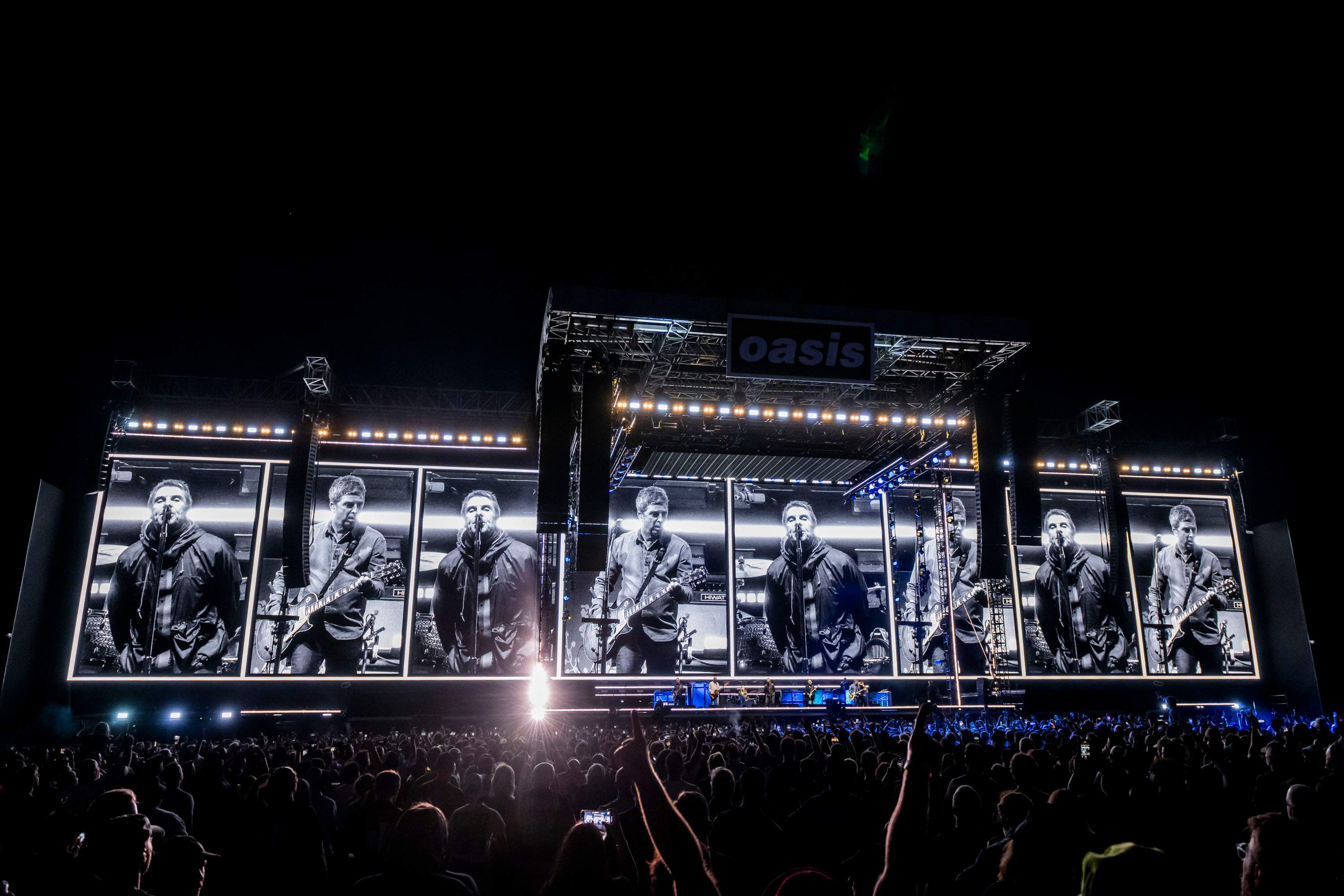
When the lights go down and the first chord echoes through the dark, the audience forgets the algorithm, the service fees, and the regulatory fines. They sing along in unison. But the anxiety remains backstage, waiting for the next tour announcement, the next digital queue, and the next test of a system trying desperately to find a fair price for a fleeting moment of joy.