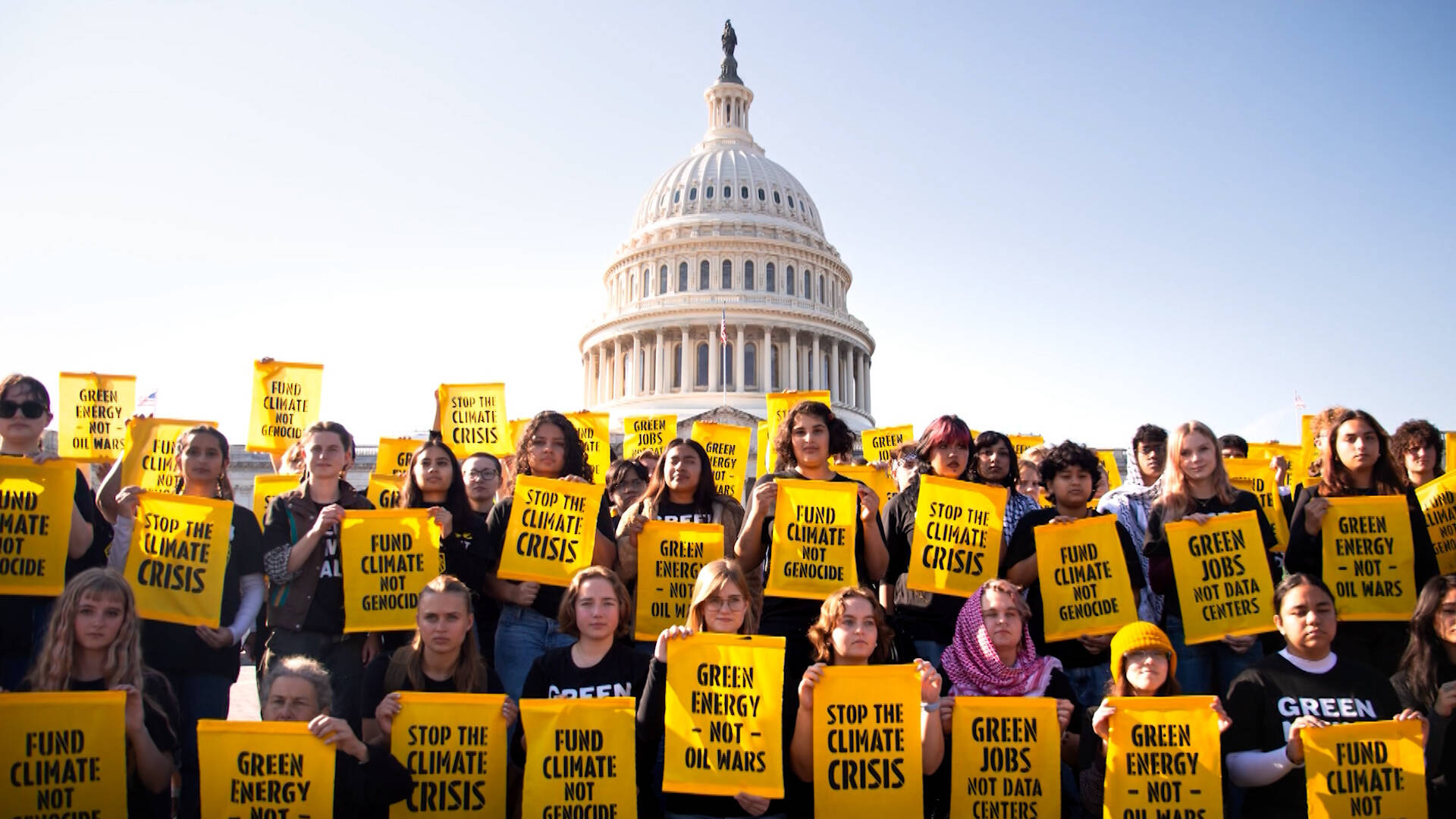
Demonstrating in public feels simple on paper. You grab a sign, walk into the street, and make your voice heard.
The bill arrives later.
Sometimes it hits an athlete or organizer who loses a paycheck or faces a lawsuit. Sometimes it hits a corner shop that sits empty while streets stay closed, or a city budget strained by overtime policing and civil payouts. Talking about the price of protest usually turns into a tug-of-war over slogans and motives, which misses the real mechanics of how dissent gets expensive fast.
When people push back against policies, institutions, or authority, costs ripple outward in four distinct directions: personal livelihoods, legal exposure, municipal budgets, and local commerce. None of those ledgers are neat, and pretending they don't exist makes public debate dumber.
Why the price of protest hits different people so unevenly
A march doesn't charge everyone the same admission fee. Someone with savings, flexible hours, and strong institutional backing can show up for hours with minimal fallout. Someone working hourly shifts or holding a fragile visa faces a completely different equation if an arrest happens or a shift gets missed.
High-profile figures draw a sharper kind of spotlight. Take Colin Kaepernick kneeling during the national anthem in 2016 over racial inequality and police misconduct—a moment that inspired a 2019 documentary titled The Price of Protest. Even if you disagree with how athletes use sports platforms, you can't pretend the backlash stayed confined to a stadium. Career fallout, intense public hostility, and years of legal battles showed how costly a visible stand can become when commercial and political incentives collide.
Everyday participants carry quieter risks. A minor citation might look small on paper, yet a missed court date, a background check flag, or a dispute with a rigid employer can linger for months. Honestly, people often underestimate how much friction a single chaotic afternoon can create for someone with zero criminal history.
The hidden friction between rights and logistics
Constitutional protections for speech and assembly don't erase practical bottlenecks. Permit fees, insurance rules, route restrictions, and crowd-control tactics shape who can organize and who gets pushed out. Legal scholar Timothy Zick has written extensively on how civil liabilities, permit burdens, and novel legal claims can create a chilling effect on political association and protest activity.
At the same time, local officials have to keep traffic moving, hospitals reachable, and public spaces safe. Those goals aren't fake problems. When a demonstration shuts down major corridors without warning, ambulances, commuters, and delivery trucks feel it right away.
Legal risks, civil suits, and the chilling effect
Most people think of arrest as the main legal hurdle at a demonstration. In practice, civil liability and administrative costs can be just as punishing.
Organizers and activists have increasingly faced creative civil theories—ranging from claims over protest-related disruptions to attempts to recoup policing or security expenses. Even when a weak lawsuit eventually gets tossed out, defending against it takes time, money, and nerve. That's why legal scholars warn that threat of ruin by lawsuit can deter peaceful assembly long before a trial ever starts.
The ledger runs both ways, though. When law enforcement crosses constitutional lines—through unlawful mass arrests, kettling, or excessive force—taxpayers often end up paying massive settlements. Reporting from The Guardian documented at least 19 U.S. cities agreeing to pay around $80 million in settlements over injuries sustained by protesters during the 2020 racial justice demonstrations. That money doesn't come out of a secret villain fund. It comes out of city budgets that otherwise pay for parks, transit, libraries, or basic services.
Local businesses and the economic ripple effect
Walk past a closed storefront during a tense standoff and the economic argument stops being abstract. Foot traffic dries up. Tourists stay away. Staff can't get in, or customers decide to stay home.
Small retailers operate on thin margins, so losing a few prime weekends can hurt badly. A cafe owner who had nothing to do with a political dispute still loses perishable inventory if barricades block the street for two days. That frustration is real, and dismissing it as mere "property vs. people" talk ignores how fragile small businesses actually are.
Zooming out to broader macroeconomics, research on civil unrest shows mixed and nuanced results depending on scale, duration, and institutional stability. Some studies associate significant civil unrest with short-term economic drags or shifts in growth and mobility, while smaller or peaceful demonstrations often have localized, temporary effects rather than lasting collapse. One common mistake people make is treating every street protest like a multi-week riot, or pretending disruptive blockades have zero economic cost. Both claims are lazy.
Policing budgets and taxpayer trade-offs
Large demonstrations stretch police departments thin. Overtime pay spikes, mutual-aid deployments add up, and equipment gets worn down.
City councils then face awkward trade-offs. Money spent on crowd response isn't available for other priorities, yet pulling back completely when tensions rise can invite property damage or clashes that cost even more. No city leader loves that math, and voters usually notice the bill only after budgets get tight.
There's also a debate over whether organizers should ever be billed for security costs. Charging groups for policing unpopular speech raises serious First Amendment concerns, because officials can easily use cost estimates to discourage viewpoints they dislike. At the same time, taxpayers understandably ask why massive, repeated events carry steep public tab after steep public tab. There's no magic formula here—just constant tension between open public space and fiscal reality.
Practical steps before you organize or show up
If you're planning to attend a demonstration or help coordinate one, a little preparation cuts down avoidable risk without turning you into a cynic.
- Know your local rules and legal support numbers. Look up local assembly guidelines ahead of time, write down a legal aid contact on your arm or card rather than relying only on a phone battery, and know what to do if an order to disperse is given.
- Separate peaceful assembly from unlawful acts. If a crowd fractures or property destruction starts near you, decide ahead of time whether you're leaving immediately so you don't get swept into a mass arrest or civil dispute.
- Protect your basic logistics. Wear sturdy shoes, carry water and any needed medication, keep ID and emergency contacts handy, and plan your route home before transit lines get rerouted.
- Coordinate clearly with nearby shops and neighbors. If you're helping organize a rally or march near commercial blocks, sharing basic timing and route info can reduce friction and keep communication open.
Protests don't happen in a vacuum. Every march, picket line, or sit-in leaves fingerprints on people's wallets, schedules, and civic trust—and paying attention to those costs is how you keep public dissent honest and effective. The Price of Protest trailer on YouTube offers a look at how one high-profile protest sparked broader public fallout.


.png?width=2560&name=Google Logo Evolution LM (3).png)