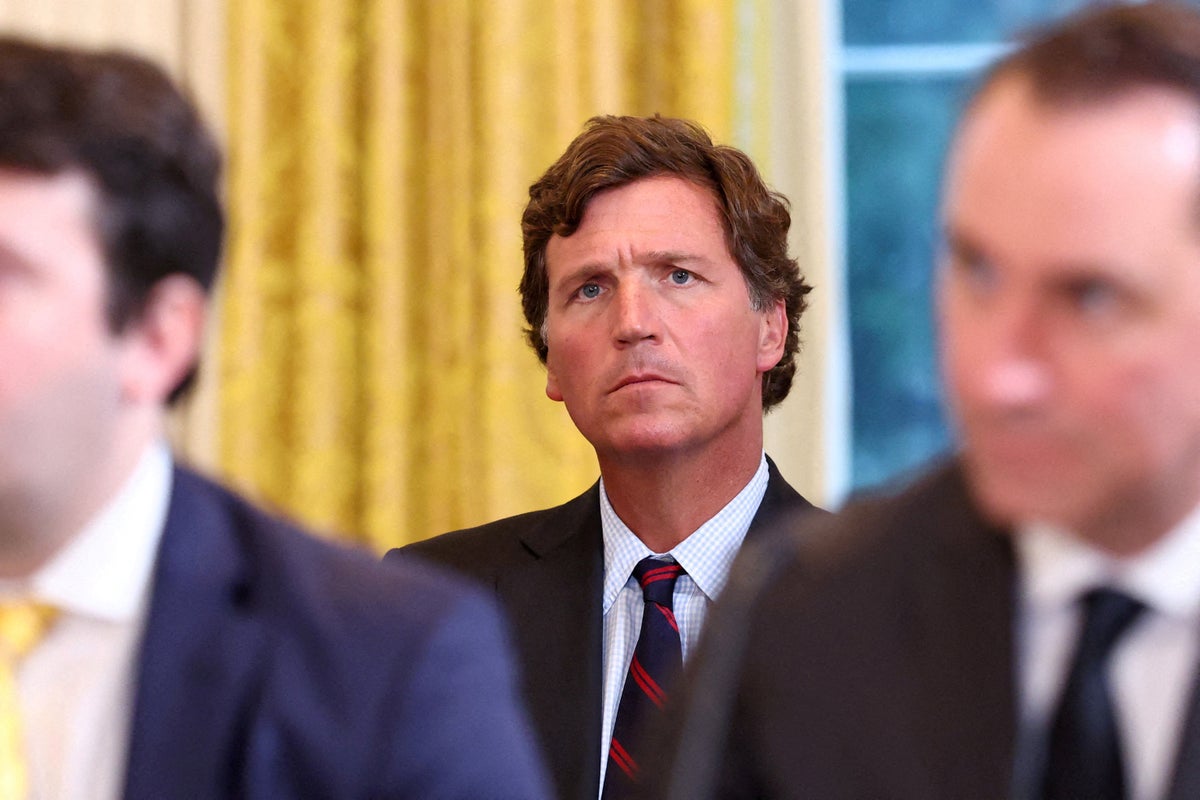
Everyone loves a good political plot twist. Lately, rumors have started swirling that political insiders and third-party planners want to draft Tucker Carlson for a presidential run in 2028. It sounds like a media producer's dream script. But if you think Carlson is gearing up to launch a traditional campaign, you're misreading how he operates.
Carlson has made it clear in recent interviews that he wants to help build an alternative political party, breaking away from the traditional Republican and Democratic duopoly. He's furious with both major parties, especially over foreign policy and economic struggles facing working Americans making sixty thousand dollars a year. Yet, when pushed on whether he wants to be the actual candidate on the ballot, his answer has been a hard no.
Why Insiders Keep Trying to Draft Him
The obsession with getting high-profile media figures to run for office isn't new. Political operatives love instant name recognition. If you look at past third-party movements, building a nationwide infrastructure from scratch is an absolute nightmare. Ballot access laws are deliberately designed by Democrats and Republicans to crush outsiders.
When third-party groups talk about pushing Carlson into the 2028 race, they aren't looking at a carefully laid-out campaign strategy. They're looking for a shortcut. They see his massive digital audience and assume it translates automatically to votes in swing states like Pennsylvania, Michigan, and Wisconsin.
What the Rumors Get Wrong
The biggest misconception is that media influence equals executive ambition. Hosting a massively watched broadcast platform gives you immense cultural power, but it doesn't mean you want to spend your days sitting through committee hearings or managing federal bureaucracies.
Carlson has repeatedly stated he doesn't want to run for office. He likes being an outside commentator who can throw grenades at the establishment without being constrained by party whips or campaign finance reports. Stepping into the arena as a candidate turns you into a target. It forces compromise. For an anti-establishment voice, retaining that outside purity is usually much more valuable than holding a title.
The Real Challenge of Third-Party Politics
Let's be honest about how the American political machine works. Figures like Andrew Yang with the Forward Party have tried to carve out space outside the two major parties, only to run into brick walls of litigation and institutional resistance.
Building a viable alternative requires years of local organizing, municipal elections, and unglamorous groundwork. It doesn't happen just because a famous podcaster says the system is broken. If a third party ever disrupts Washington, it won't be because of a celebrity parachute candidate. It will be because thousands of local organizers spent decades building from the bottom up.
Stop waiting for a television host to ride in and fix the ballot box. Real political change is messy, local, and painfully slow. Focus on your own backyard instead of waiting for a savior in 2028.