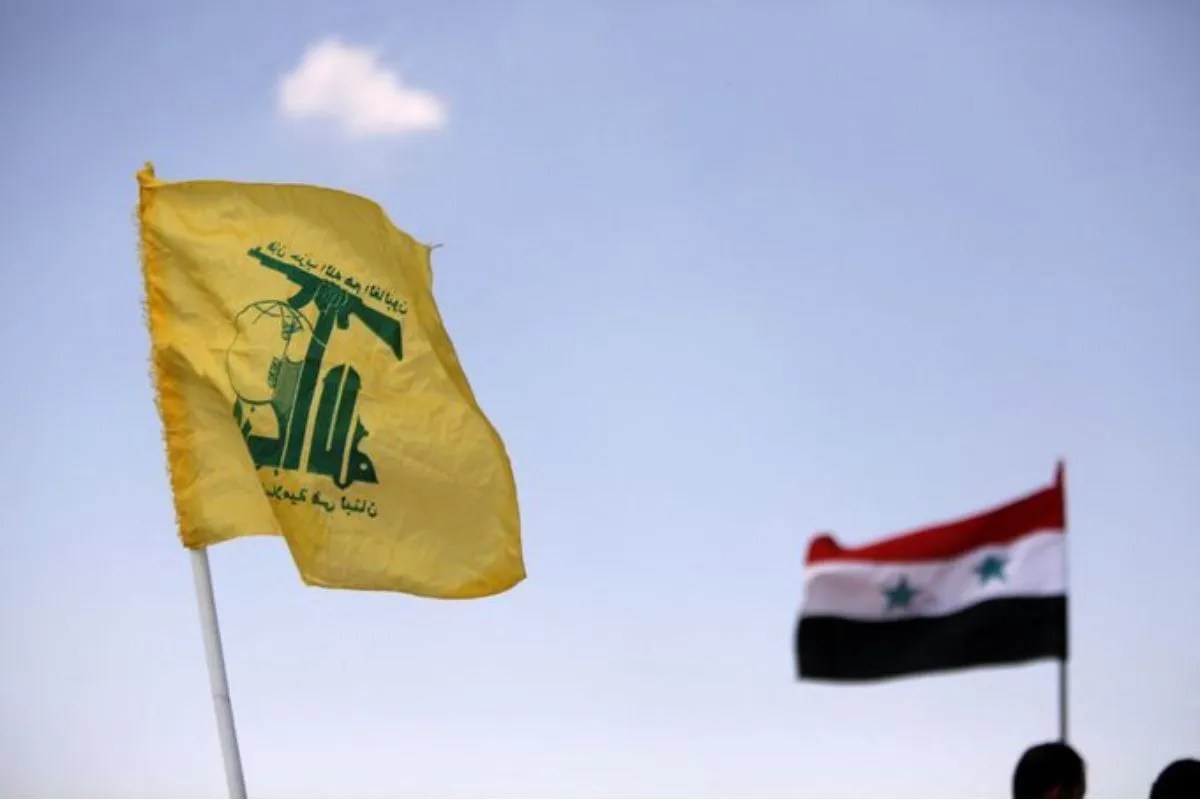
Geopolitics in the Middle East never stays quiet for long. Undercurrents shift fast, alliances fracture, and enemies find unexpected common ground when survival demands it. Recent intelligence reports point to a fascinating diplomatic maneuver. Damascus and Hezbollah representatives reportedly sat down for high-stakes secret talks hosted on Turkish soil, completely bypassing Tehran.
If verified, this move rewrites regional dynamics. For years, the axis linking Iran, Syria, and Hezbollah functioned as an unbreakable iron triangle. Today, cracks are widening into chasms.
Decoding the Turkey Hosted Summit
Turkey has long positioned itself as a primary power broker in northern Syrian affairs. Hosting direct discussions between Syrian state officials and representatives of Lebanon's Hezbollah movement marks a tactical evolution. Ankara has historically opposed both parties during various phases of the decade-long Syrian conflict. Bringing them to the table without Iranian handlers present signals a calculated effort to restructure local security architectures on independent terms.
Tehran's exclusion is the detail that matters most here. Iran has anchored Hezbollah's operations and heavily influenced Damascus's strategic posture for decades. When regional players start cutting out the primary external patron, it means local actors are seeking practical compromises over ideological alignment. They are tired of serving as proxy pawns in a broader economic and regional war of attrition.
The Real Motivations Behind the Closed Doors
Why would Damascus talk to Hezbollah outside of Iran's watchful eye? The answer boils down to basic national stabilization. Syria faces severe internal economic ruin, infrastructure collapse, and persistent security threats. Damascus needs breathing room. Alignment with groups that trigger continuous foreign airstrikes or international isolation no longer serves the immediate goal of state recovery.
At the same time, Hezbollah faces profound pressures inside Lebanon and across the wider theater. Maintaining rigid adherence to external regional commands risks complete domestic isolation. By exploring backchannel communication through Turkish mediation, both sides are testing the waters for a pragmatic de-escalation framework. They want to manage borders, reduce friction points, and prevent accidental escalations that neither government can afford to finance.
What This Means for the Wider Regional Balance
Shifting alignments rarely happen in a vacuum. When middle powers like Turkey step in to facilitate talks, they aim to fill vacuums left by exhausted or distracted superpowers. For regional observers, this underscores a broader trend: nations are prioritizing local stability over rigid alliance blocs.
Yet, translating a secret meeting into lasting policy changes remains exceptionally difficult. Deep-seated mistrust won't vanish after a single round of discussions. Intelligence networks remain skeptical about whether a permanent break from Iranian influence is realistic or merely a temporary tactical convenience.
Watch the border regions closely. The real test of these discussions won't appear in official state communiques. It will show up in troop movements, security cooperation along the Syrian-Lebanese frontier, and how aggressively external patrons react to being sidelined. Pragmatism is finally replacing pure ideology in the corridors of power, and the fallout will reshape the region for years.