Silence.
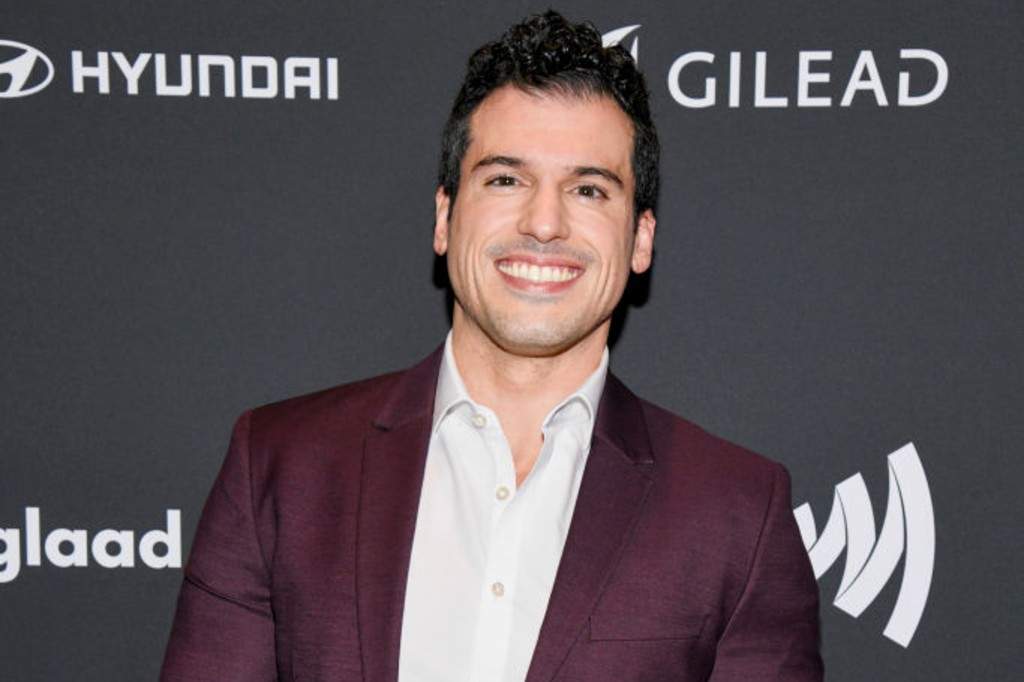
That is the deadliest symptom of all, the quiet hum of a body that looks entirely fine in the bathroom mirror at five in the morning while an invisible storm gathers behind the sternum. When Good Morning America correspondent Gio Benitez sat before the cameras to disclose his diagnosis of coronary artery disease, the shock did not ripple outward because a television anchor had fallen ill, nor because medicine had failed him, but because he looked like the very portrait of modern vitality.
He runs. He eats carefully. He radiates the crisp, caffeinated stamina required to broadcast live to millions before most of the country has found its slippers. Yet inside the muscular walls of his heart, plaque had been quietly laying down roots for years, turning what doctors call a "silent killer" into a personal reckoning played out under studio lights.
We like our villains loud. We expect a failing heart to announce itself with a dramatic clutch at the left arm on a rainy sidewalk, just like the movies taught us. Real life rarely bothers with theatrical cues.
The Illusion of the Invincible Mirror
Consider a hypothetical runner—let us call him Marcus—who logs twenty miles a week along the river, tracks every gram of protein on his phone, and boasts resting heart rates that make his primary care physician smile during annual checkups. Marcus passes the basic blood panel with flying colors, steps off the scale satisfied, and assumes his cardiovascular system is as clean as a newly paved highway. Underneath that confidence, however, microscopic tears in the inner lining of his coronary arteries have been trapping cholesterol, calcium, and cellular waste for over a decade, narrowing the passageway millimeter by imperceptible millimeter.
This metaphor of a highway slowly choked by overnight construction captures the exact mechanism of atherosclerosis, the underlying engine of coronary artery disease. Traffic still moves at seventy miles an hour when a four-lane interstate loses half a lane to orange cones, so nobody complains to the department of transportation. Nobody even notices until a sudden jackknifed truck blocks the remaining sliver of asphalt and brings an entire metropolis to a grinding, catastrophic halt.
Benitez walked into a preventive screening without chest pain, without shortness of breath climbing stairs, and without the classic warning flags that send panicked patients rushing to urgent care. What prompted him to look closer was not an emergency, but curiosity paired with family history and the quiet realization that outward fitness is a terrible diagnostic tool. Standard physicals often rely on surface metrics—blood pressure cuffs, basic lipid panels, and stethoscopes pressed briefly against a warm chest—that can miss calcified plaque until an artery is seventy percent blocked.
I remember the cold vinyl of an examination table in my late thirties, staring at a ceiling tile stained the shape of Florida while a cardiologist explained that my "borderline" numbers were actually a slow-motion fuse. My hands smelled faintly of the paper gown I had been twisting into a rope, and my ears rang with the absurd contradiction of feeling strong enough to haul luggage up three flights of stairs while being told my arteries were aging faster than the rest of me. Fear does not arrive as a lightning bolt in those rooms; it seeps in like cold water under a door, forcing you to audit every fried meal, every skipped night of sleep, and every excuse you ever made about being too busy for a deeper scan.
What Actually Happens When an Artery Narrows
To understand why Gio Benitez’s announcement struck such a nerve across living rooms and breakrooms, you have to strip away the medical jargon and look at the plumbing. Your heart is an engine roughly the size of a closed fist that beats around one hundred thousand times every single day, pumping nearly two thousand gallons of blood through a network of vessels that would wrap around the Earth twice if laid end to end. Because that muscle never gets a lunch break, it demands a constant, uninterrupted supply of oxygen-rich blood delivered through two main vessels—the left and right coronary arteries—that hug the outside of the heart like delicate roots.
When inflammation damages the smooth inner lining of those vessels, low-density lipoprotein cholesterol slips beneath the surface like grit getting under a fingernail. The immune system dispatches white blood cells to clean up the intrusion, creating a sticky foam that hardens over time into plaque. Early on, the artery actually bulges outward to preserve blood flow, a sneaky biological trick called positive remodeling that keeps stress tests looking completely normal even while disease advances inside the vessel wall.
Here is where the danger sharpens into something genuinely terrifying. Hard, calcified plaque narrows the pipe gradually, which might eventually trigger stable angina—a predictable tightness in the chest during heavy exertion that fades when you rest. Soft, lipid-rich plaque, on the other hand, sits beneath a paper-thin fibrous cap that can rupture without warning during a spike in blood pressure, a surge of adrenaline, or an ordinary Tuesday morning commute.
The moment that cap tears open, the bloodstream treats the exposed plaque like a bleeding wound and rushes platelets to form a clot. Within minutes, that clot can seal off the remaining opening completely, starving the downstream heart muscle of oxygen and triggering a myocardial infarction—a heart attack. According to data from the Centers for Disease Control and Prevention, coronary artery disease remains the leading cause of death in the United States, claiming more than three hundred seventy thousand lives annually, and for roughly half of the people who die suddenly from it, there were zero prior symptoms.
Zero. Not a twinge.
The Diagnostics Most Doctors Never Order First
Why, then, do so many seemingly healthy people walk around with ticking clocks in their chests? Part of the answer lies in how modern healthcare is wired to react to fires rather than inspect the wiring behind the drywall. If you walk into a clinic feeling great, insurance protocols and routine guidelines rarely push for advanced cardiac imaging unless you already check multiple high-risk boxes like diabetes, smoking, or soaring hypertension.
Benitez’s story pulled back the curtain on a tool that preventive cardiologists have been championing for years: the coronary artery calcium scan, often paired with a coronary CT angiogram. Unlike a standard treadmill stress test, which only detects blockages severe enough to restrict blood flow during peak exertion, a calcium score uses a quick, low-dose computed tomography scan to spot hardened plaque directly inside the arterial walls. It takes less than ten minutes, requires no needles for the basic calcium version, and assigns a concrete number to your invisible burden—zero meaning no calcified plaque detected, while numbers climbing past one hundred or four hundred signal escalating urgency.
When a coronary CT angiogram is added with contrast dye, physicians can see both calcified deposits and the softer, non-calcified plaque that traditional calcium scoring alone might underestimate in younger patients. For someone in their thirties, forties, or early fifties—especially anyone with a parent or sibling who suffered a heart event before age sixty—that single glimpse inside the vessels changes the entire trajectory of their life. You stop guessing based on how fast you ran a 5K last autumn, and you start dealing with biological reality.
Genetics Load the Gun, Habits Pull the Trigger
There is a stubborn cultural myth that heart disease is strictly a moral failing reserved for chain-smokers who live on drive-thru burgers and never leave the couch. Watching a disciplined, health-conscious journalist confront coronary artery disease dismantles that comforting lie in seconds. While diet, movement, sleep, and stress management exert massive influence over cardiovascular risk, genetics quietly sets the baseline sensitivity of your arterial walls.
Some people inherit livers that clear cholesterol sluggishly, or blood vessels that react with heightened inflammation to everyday metabolic stress. Others carry elevated levels of lipoprotein(a)—a genetically determined particle rarely tested in standard cholesterol panels that acts like Velcro inside coronary arteries regardless of how many bowls of oatmeal you eat. You cannot outrun your DNA, no matter how expensive your running shoes are, though lifestyle choices determine how fast or slow that genetic predisposition unfolds.
In the decades following the famous Framingham Heart Study, which began tracking thousands of Massachusetts residents in 1948 and literally invented the concept of cardiovascular "risk factors," medicine made breathtaking strides in taming heart attacks. Statins arrived in the late 1980s, slashing LDL cholesterol and stabilizing fragile plaques so they would not rupture. Blood pressure medications, stenting procedures, and surgical bypasses turned once-fatal emergencies into survivable chapters.
Yet progress stalled in recent years, particularly among adults under fifty-five, as chronic stress, ultra-processed food environments, fragmented sleep, and undetected genetic markers collided with a false sense of security among people who look fit on the outside. When Benitez chose transparency over privacy, he pierced that exact blind spot for millions of viewers who assumed heart disease belonged exclusively to their grandparents' generation.
Rewriting the Script Before the Crisis
The most empowering truth buried inside a coronary artery disease diagnosis is that catching it early turns a potential tragedy into a manageable chronic condition. Plaque does not vanish overnight, and no honest cardiologist promises a magic broom that sweeps arteries back to teenage perfection, but aggressive, targeted intervention can halt progression and transform dangerous, unstable plaque into dense, quiet scar tissue that refuses to rupture.
Think of it like reinforcing a weathered bridge before the spring floods arrive. By driving LDL cholesterol down to ultra-low targets through targeted therapies, quieting systemic inflammation, dialing in blood pressure, and maintaining steady aerobic movement, patients dramatically shrink their odds of ever experiencing a heart attack. The diagnosis stops being a death sentence and becomes instead an early warning radar that most people never get the luxury of seeing.
What lingers after the broadcast fades and the medical charts close is not fear, but clarity. Every beat of your heart is an act of quiet loyalty performed in the dark, asking nothing from you except that you pay attention before it has to scream. You can look vibrant under bright lights, cross finish lines to applause, and still carry a secret written in calcium and cholesterol inches beneath your skin—or you can choose to look inside while the silence is still yours to interrupt.