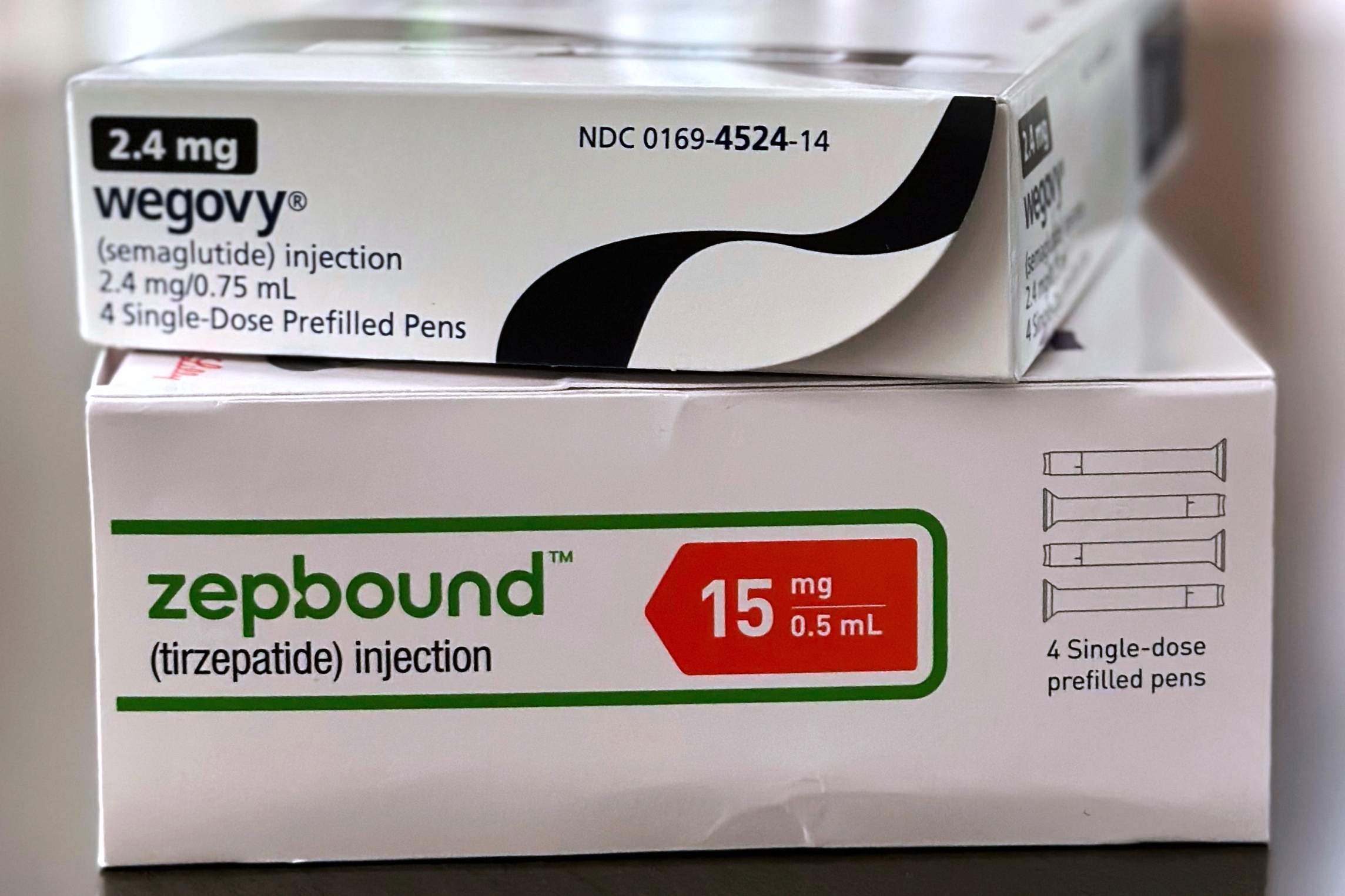
For Canadians weighing a GLP-1 pill vs injection, the clinical reality comes down to a brutal trade-off between daily discipline and biological efficiency. Weekly injectable medications like Ozempic, Wegovy, and Mounjaro deliver near-complete absorption directly into subcutaneous tissue, yielding higher average weight loss and steadier glycemic control. Oral GLP-1 tablets, led by Rybelsus and the newer wave of small-molecule candidates, require strict morning fasting protocols because stomach acid destroys over 99 percent of the active peptide before it ever reaches the bloodstream. Yet across Canadian clinics, patients are abandoning needles in droves—even when the math favors the syringe.
The conventional medical wisdom treats this choice as a simple matter of patient preference. Take a shot once a week, or swallow a pill every morning. That framing misses the real story. Beneath the surface of Canada's metabolic drug boom lies a complex collision of pharmaceutical patent strategies, provincial formulary gatekeeping, supply chain vulnerabilities, and human psychology. Understanding which delivery method actually works requires looking past the glossy pharmacy brochures and examining what happens after the prescription leaves the counter.
The Bioavailability Problem Nobody Explains Properly
Peptides are fragile. When you swallow a standard protein or peptide drug, your digestive tract treats it exactly like a piece of steak, breaking down its amino acid chains with hydrochloric acid and digestive enzymes long before it can enter systemic circulation. For decades, this basic biological reality made oral GLP-1 receptor agonists impossible.
Pharmaceutical chemists eventually bypassed this barrier using absorption enhancers—specifically a compound called SNAC (sodium N-[8-(2-hydroxybenzoyl) amino] caprylate) in oral semaglutide. SNAC temporarily raises the local pH in the stomach around the dissolving tablet, shielding the peptide from pepsin degradation and coaxing it across the gastric mucosa.
It works. Barely.
Even with advanced formulation chemistry, oral semaglutide achieves roughly 1 percent bioavailability. To compensate for the 99 percent lost in the gut, manufacturers have to pack exponentially more active pharmaceutical ingredient into every tablet. A patient taking a 14 mg daily dose of Rybelsus ingests nearly 100 mg of semaglutide every single week, compared to the 1 mg or 2 mg weekly dose delivered via subcutaneous injection.
The Morning Ritual Trap
Because gastric absorption is so precarious, the rules for taking an oral peptide are unforgiving. Patients must take the tablet upon waking on a completely empty stomach with no more than four ounces of plain water, then wait at least 30 minutes before eating, drinking coffee, or taking any other morning medications.
Consider a hypothetical example of a typical 54-year-old patient in Toronto managing type 2 diabetes, hypertension, and hypothyroidism. Every morning, she has to wake up, swallow her GLP-1 pill with a tiny sip of water, stare at the clock for half an hour while avoiding her morning coffee, take her levothyroxine, wait another 30 minutes, and only then eat breakfast. One rushed morning where she swallows the pill with a full glass of water or grabs a latte ten minutes later renders that day's dose functionally useless.
Injections bypass the gastrointestinal gauntlet entirely. When a pen needle deposits semaglutide or tirzepatide into the fat layer beneath the skin of the abdomen or thigh, absorption is slow, predictable, and largely unaffected by what you ate for breakfast.
How Canadian Coverage Rules Distort Medical Decisions
In an ideal healthcare system, doctors and patients would choose between a GLP-1 pill vs injection based purely on clinical efficacy and lifestyle fit. In Canada, the decision is frequently made by insurance adjudicators and provincial drug benefit managers.
Canada operates a fragmented patchwork of public and private drug coverage. While the Patented Medicine Prices Review Board (PMPRB) caps introductory list prices, access depends heavily on whether a patient relies on a provincial formulary—like the Ontario Drug Benefit (ODB) or BC PharmaCare—or an employer-sponsored private health plan.
For type 2 diabetes, public formularies generally cover both injectable semaglutide (Ozempic) and oral semaglutide (Rybelsus), provided the patient meets specific clinical criteria, typically failing metformin first. For chronic weight management, however, public coverage remains virtually nonexistent across most provinces. Private insurers have responded to exploding demand by erecting strict prior authorization walls.
The Hidden Economics of Pharmacy Markups
Even when patients pay out of pocket, the financial math is rarely transparent. A monthly supply of injectable semaglutide in Canada generally retails between $230 and $400 CAD depending on the dose and provincial dispensing fees, while higher-dose weight-management formulations push past $450 CAD. Oral semaglutide sits in a similar price bracket, meaning patients paying cash are often spending the exact same amount of money for a formulation that delivers lower systemic exposure.
Pharmacies also face radically different logistics depending on the format:
- Cold-chain dependency: Injectable pens require strict refrigeration at 2°C to 8°C prior to first use. A single power outage, a delayed courier truck during a prairie winter freeze, or a miscalibrated pharmacy fridge can ruin tens of thousands of dollars in inventory.
- Shelf stability: Oral tablets sit comfortably at room temperature in standard blister packs. They travel easily across remote northern communities where cold-chain shipping adds massive surcharges and logistical risk.
- Supply elasticity: During the severe global GLP-1 shortages of 2023 and 2024, injectable pen manufacturing hit a wall because of sterile fill-finish bottlenecks and plastic auto-injector component shortages. Tablets, which rely on standard high-speed solid-dose compression lines, proved far easier to scale.
Efficacy Under the Microscope
When clinicians compare clinical trial data, the separation between needles and pills becomes unmistakable, though newer oral candidates are rapidly closing the gap.
In the landmark PIONEER clinical trial program, oral semaglutide demonstrated strong reductions in HbA1c—roughly 1.0 to 1.4 percentage points—matching or slightly exceeding several older injectable competitors. Weight loss, however, lagged behind high-dose injectables. At the standard 14 mg diabetes dose, average weight reduction hovered around 4 to 5 percent of body weight. Higher investigational doses (25 mg and 50 mg) pushed weight loss toward the 15 percent mark seen in the STEP trials for injectable Wegovy, but at the cost of significantly higher rates of nausea and gastrointestinal distress.
| Clinical Factor | Weekly GLP-1 Injection | Daily Oral GLP-1 Tablet |
|---|---|---|
| Dosing Frequency | Once every 7 days | Once daily |
| Bioavailability | ~89% (subcutaneous) | ~1% (gastric absorption) |
| Food/Water Restrictions | None; inject any time of day | Strict fasting; max 120 mL plain water; 30-min wait |
| Storage Requirements | Refrigerated until first use | Room temperature in original blister pack |
| Average Weight Loss (Approved Doses) | 10% to 21% (agent dependent) | 4% to 15% (dose dependent) |
| Primary Side Effects | Nausea, constipation, injection site reactions | Nausea, acid reflux, morning stomach discomfort |
The arrival of non-peptide small-molecule GLP-1 agonists, such as orforglipron, changes this equation entirely. Unlike peptide tablets, small molecules do not get shredded by stomach acid. They require no SNAC enhancer, no fasting window, and no water restrictions. For the first time, an oral medication can mimic the pharmacokinetic curve of an injection without forcing patients into a rigid morning routine.
The Adherence Paradox
If injections are biologically superior, require attention only once a week, and demand zero dietary timing rules, why do so many Canadians push their family doctors for pills?
Needle phobia is real, affecting roughly 20 to 30 percent of adults to varying degrees, even when the delivery device uses a microscopic 4 mm, 32-gauge needle that barely registers on the skin. Yet seasoned clinicians know that needle fear is only part of the story.
There is a profound psychological barrier tied to medicalization. Taking a pill feels normal. Millions of Canadians swallow vitamins, blood pressure pills, or allergy tablets every morning without thinking twice. Injecting a medication into your abdomen—even with a sleek, spring-loaded pen—forces a weekly confrontation with chronic illness. For patients newly diagnosed with type 2 diabetes, accepting an injectable therapy feels like admitting defeat, a lingering stigma left over from the era when starting insulin signaled end-stage disease progression.
Why Real-World Results Diverge From Clinical Trials
In tightly controlled clinical trials, patients receive regular phone calls from research nurses, free medication, and constant behavioral reinforcement. Under those conditions, daily pill adherence stays artificially high.
In the real world, persistence drops off a cliff. Prescription claims data consistently show that real-world adherence to daily oral medications falls sharply after the first six months. Missing two or three tablets a week because of travel, schedule changes, or morning nausea erodes the steady-state blood levels required to suppress appetite and regulate insulin secretion.
Weekly injections suffer from a different failure mode. Patients rarely forget to take them every week, but when they experience severe gastrointestinal side effects—vomiting, sulfur burps, or debilitating fatigue—they frequently abandon the therapy altogether rather than titrating back down. With an oral tablet, a patient feeling unwell can simply skip a morning dose and feel better within 24 hours. With a long-acting weekly injection carrying a seven-day half-life, you are locked into the ride until the drug slowly clears your system.
Side Effects and the Gut-Brain Tug of War
Both delivery routes activate the exact same GLP-1 receptors in the pancreas, gastrointestinal tract, and brainstem, meaning their core side-effect profiles share the same DNA. Delayed gastric emptying slows the movement of food out of the stomach, creating early satiety while triggering nausea, bloating, and constipation in susceptible individuals.
However, the localized concentration of the drug creates subtle differences in how patients experience those side effects.
Oral tablets deliver a high concentration of active drug and absorption enhancer directly onto the gastric lining every 24 hours. Patients prone to gastroesophageal reflux disease (GERD) or gastritis frequently report sharper morning heartburn and upper abdominal burning on pills than on injections. Conversely, subcutaneous injections produce a gradual rise in plasma concentration over 24 to 72 hours post-injection, leading many patients to report a predictable "peak" of fatigue or mild nausea on day two after their shot, followed by smooth sailing for the rest of the week.
The Muscle Mass Blind Spot
Regardless of whether the molecule enters through the stomach or the skin, rapid weight loss driven by potent appetite suppression carries a biological cost that Canadian prescribers are only beginning to address aggressively.
When patients lose 15 to 20 percent of their body weight without structured resistance training and high protein intake, roughly 25 to 40 percent of that lost weight can come from lean skeletal muscle mass rather than adipose tissue. Older Canadians are particularly vulnerable to this sarcopenic risk, which compromises metabolic rate, bone density, and physical mobility. Choosing a pill over a needle does not protect muscle tissue; only deliberate nutritional and mechanical intervention prevents the body from cannibalizing its own structural reserves during a prolonged caloric deficit.
Making the Call Without the Marketing Noise
Stripping away pharmaceutical branding leaves a straightforward clinical framework for Canadian patients deciding between these two routes.
Choose a weekly GLP-1 injection if:
- Maximum weight reduction or aggressive HbA1c lowering is the primary medical goal.
- Your morning schedule is chaotic, unpredictable, or involves shift work.
- You already take thyroid medication, bisphosphonates, or proton pump inhibitors that compete for an empty morning stomach.
- You prefer dealing with medication once every seven days rather than thinking about it every morning.
Choose a daily oral GLP-1 pill if:
- You have a genuine aversion to needles that would cause you to delay or skip treatment.
- You travel frequently without reliable access to refrigeration or carry-on medical coolers.
- You already maintain a rock-solid morning routine and have no trouble waiting 30 minutes before eating or drinking coffee.
- You want the flexibility to pause dosing rapidly if gastrointestinal side effects flare up.
The delivery mechanism is merely a vehicle. Whether it arrives via a four-millimeter needle or a blister-packed tablet, the molecule only works if it stays in your bloodstream consistently enough to rewire metabolic signaling. Pick the format you will actually take on a rainy Tuesday six months from now, because the most potent drug in the pharmacy has zero efficacy sitting unused in your medicine cabinet.