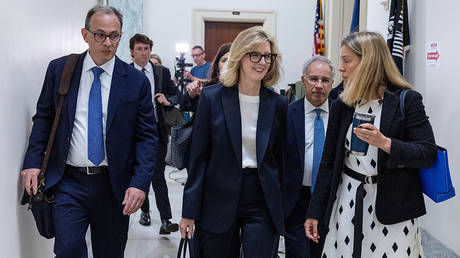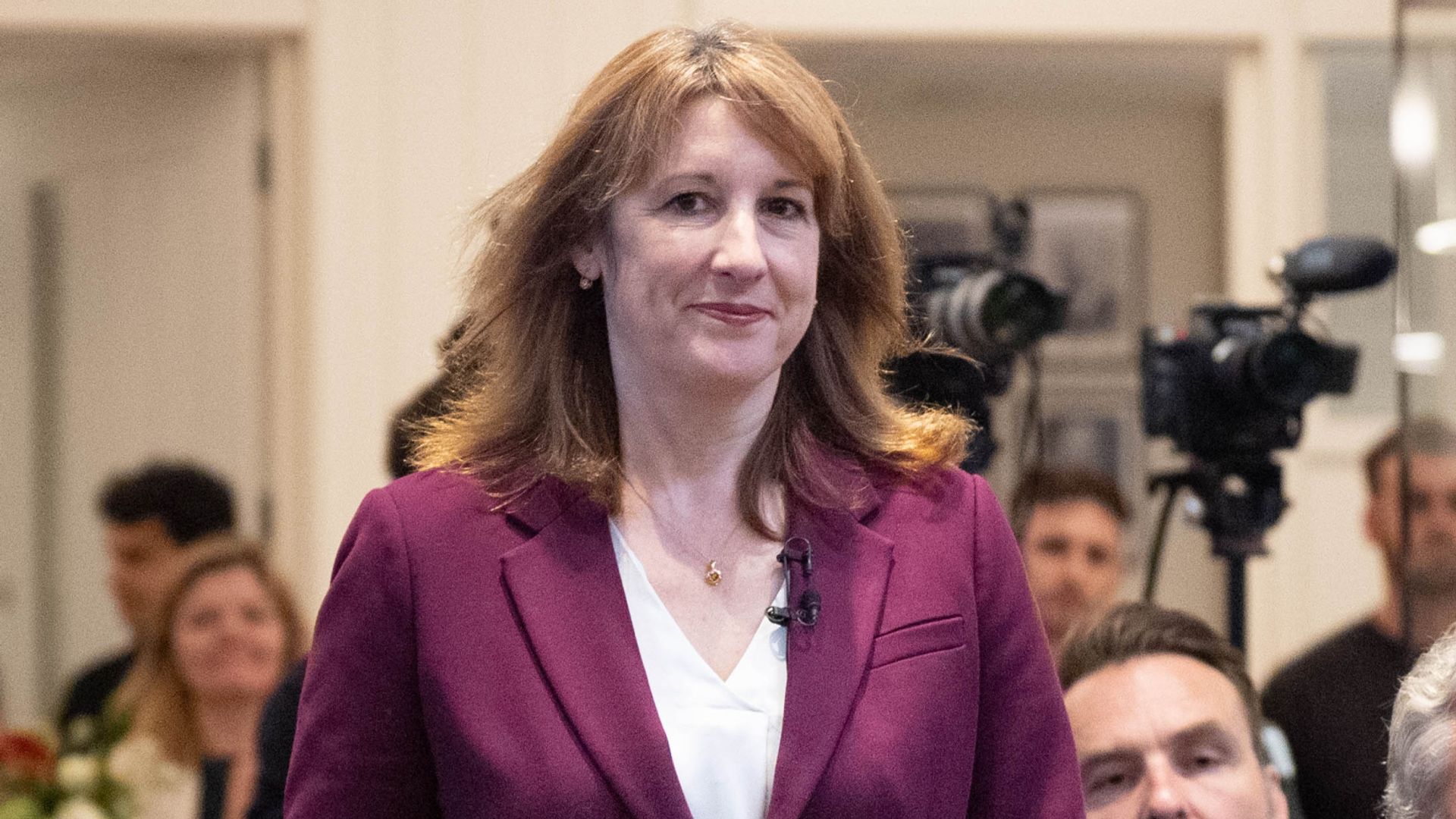
The British economy is stuck in first gear, and Rachel Reeves is running out of road.
With July 2026 GDP figures showing a measly 0.1% monthly expansion, the grand promise of a high-growth, high-productivity Britain under her stewardship has collided with a cold wall of reality. It is a brutal backdrop for her expected exit from Number 11 Downing Street on Monday, as incoming Prime Minister Andy Burnham prepares to unveil his first cabinet.
If you want to understand why the UK economy keeps flatlining, don't look at the minor monthly fluctuations. Look at the systemic policy failures, the looming threat of the Middle East conflict, and a structural lack of ambition that has left businesses hesitant and consumers squeezed.
The Reality of the Zero Percent Economy
Let's look at the actual numbers because they don't lie. While the economy managed a tiny 0.1% nudge in May, the broader picture over the last year is one of stubborn stagnation. Services might have propped up the overall figure with a 0.3% rise, but production plummeted by 0.5% and construction fell by 0.8%.
This isn't a healthy recovery. It's an economy on life support.
The Treasury has spent months pointing to the UK's first-quarter growth as proof that the plan was working. They claimed victory when the UK temporarily led the G7 in growth during the early months of the year. But that was a mirage. Historically, the UK has repeatedly registered strong first quarters, only for economic activity to fizzle out entirely by summer.
We're seeing that exact pattern play out now.
Squeezed households are dealing with persistent inflation, which is lingering way too close to double the Bank of England’s target. Add the fallout from the Iran conflict—which has spiked energy prices and is projected to cost the average household an extra £550 this year—and it's easy to see why consumers are keeping their wallets shut.
Why the Reeves Growth Strategy Spluttered
You can't build a booming economy on caution alone. The fundamental mistake of the Reeves era was the belief that simply projecting "stability and rules" would magically unlock billions in private investment.
It didn't work. Here's why.
The Pension Reform Trap
Reeves pinned her hopes on unlocking massive pension fund surpluses to invest in UK infrastructure and domestic startups. On paper, it sounds great. In reality, it was never going to work overnight.
The Office for Budget Responsibility (OBR) estimates that infrastructure spending takes years, sometimes decades, to show up in national GDP figures. In fact, the OBR calculated that for every additional 1% of public investment, near-term growth only nudges up by 0.1%. You can't feed families today on a 10-year investment horizon.
Squeezing the High Street
While talking up a pro-business environment, the Treasury simultaneously hammered businesses with a massive £25bn increase in employer National Insurance contributions alongside a steep rise in the National Living Wage.
If you run a hospitality business, a small retail shop, or a regional manufacturing firm, your overheads didn't just tick up—they exploded. Businesses reacted exactly as any economist would expect: they froze hiring, paused capital investment, and put growth plans on ice.
The Poverty of Ambition
Take the Growth Guarantee Scheme for small and medium enterprises (SMEs). Reeves boasted about finding an extra £1 billion or so to help bridge the funding gap for small businesses.
But let's put that in perspective. The UK's housing benefit bill—which goes straight into the pockets of private landlords—costs over £37 billion annually. The corporate tax gap for SMEs is sitting around £17 billion. Tinkering with a few hundred million in loan guarantees is like throwing a cup of water at a forest fire. It's a fundamental failure to grasp the scale of the challenge.
The Succession Battle: Who Inherits the Treasury?
As Andy Burnham prepares to walk into Number 10, the battle for the keys to Number 11 has turned into a fierce political knife fight.
The two frontrunners represent fundamentally different paths for the British economy:
- Shabana Mahmood: The current Home Secretary has emerged as the clear favourite. While she doesn't have a deep track record on economic policy, the City of London prefers her. She's viewed as a pragmatist who won't spook the bond markets with massive borrowing sprees.
- Ed Miliband: The Energy Secretary was the initial darling of the Labour left and Burnham’s close allies. His supporters argue he's the only figure with the vision to challenge orthodox Treasury thinking. However, fears that his appointment would signal a massive wave of borrowing have likely cost him the job. He's tipped to head to the Foreign Office instead.
No matter who gets the job, the in-tray is terrifying. Burnham’s new Chancellor won't have the luxury of a honeymoon period. They will need to immediately deliver a highly visible cost of living rescue package, possibly including targeted energy bill support and a cap on local transit fares.
The Next Moves for UK Economic Policy
If the incoming administration wants to avoid the same quicksand that swallowed Rachel Reeves's chancellorship, they need to pivot immediately. The era of waiting for private capital to do the heavy lifting has failed.
Here is what needs to happen next:
- Devolve True Fiscal Power: Burnham’s political brand is built on regional devolution. He needs to move past simple transport devolution and give regions the actual tax-raising and retention powers needed to fund local infrastructure directly.
- Rethink Business Taxes: The employer National Insurance hike was a direct drag on growth. The new Chancellor must look at targeted relief for high-street employers and SMEs to encourage them to start hiring and spending again.
- Direct Public Investment: If the private sector won't invest because of global instability and trade wars, the state has to step in. Relying purely on private finance initiatives and complex pension-locking schemes isn't cutting it.
The clock is ticking. Burnham has a massive mandate from his MPs, but the public's patience with stagnant wages and rising bills has already worn thin. If the new Cabinet doesn't act quickly to unstick the economy, they will find out just how brutal the political cost of a flatline can be.