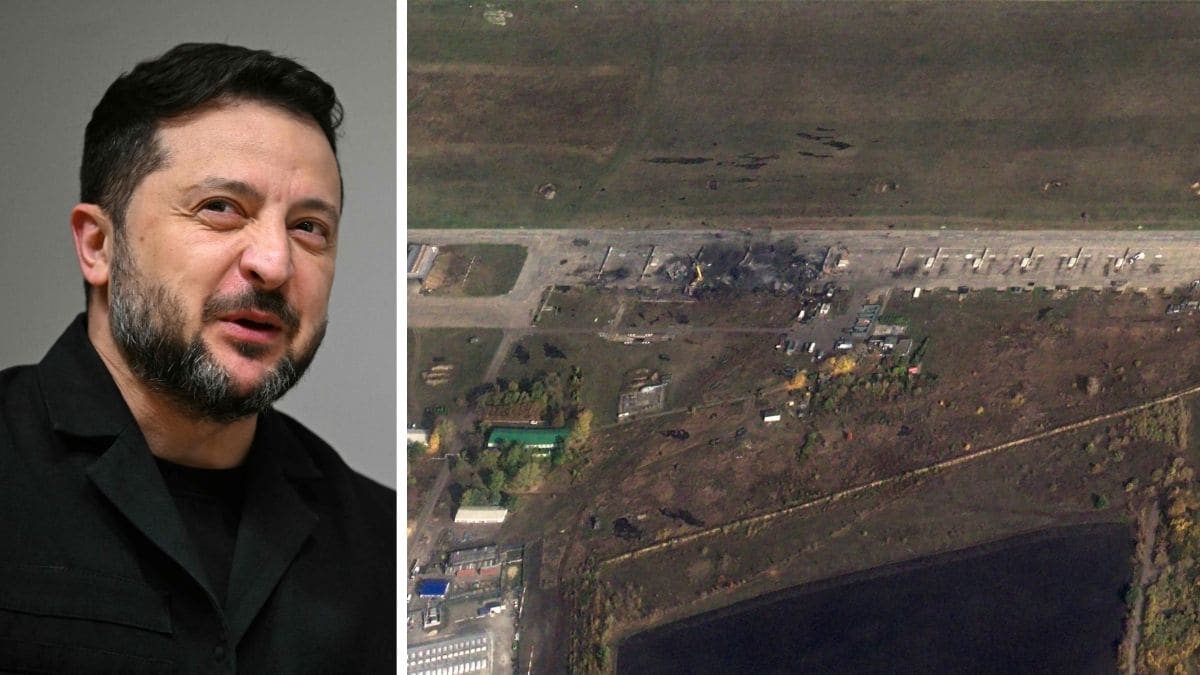
Foreign policy shifts seldom announce themselves with explosions. They arrive through procedural memos, quiet diplomatic reallocations, and the unmistakable chill of unilateral maneuvering. When the White House chose to advance a transactional framework for ending the war in Eastern Europe, headlines screamed about betrayal. The reality is far more intricate and structural. This is not a sudden rupture of sentiment, but the inevitable collision between Washington's impatience and the hard logic of geopolitical survival.
For years, the architecture of transatlantic security rested on an unspoken premise: that American strategic dominance and European frontline defense operated as a singular entity. The current administration has discarded that premise. By leaning into direct trilateral dialogues that bypass Kyiv and marginalize traditional European partners, the White House has exposed the fragility of alliance politics.
To understand why this friction is accelerating, one must look past the public posturing and examine the mechanics of the administration's peace proposals. The pressure campaign on Ukraine to accept territorial realities and forgo immediate security structures like NATO is driven by a domestic calculus. Electoral fatigue and the mounting financial drain of prolonged conventional warfare have created an appetite for a swift, albeit imperfect, diplomatic exit.
Yet, treating state borders as negotiable chips in a broader global realignment carries profound structural risks. When an administration pushes for resource-sharing agreements and mineral rights while simultaneously narrowing intelligence and military lifelines, it creates a dangerous imbalance. Kyiv is left navigating a brutal paradox. It relies on Western intelligence to hold the line, yet faces constant pressure to concede the very ground its soldiers are dying to protect.
Meanwhile, European capitals are waking up to an uncomfortable truth. Continental defense can no longer outsource its strategic clarity to Washington. German and French leadership have voiced deep anxieties over these backdoor summits, recognizing that a settlement imposed from the outside without local buy-in is merely a ceasefire waiting to unravel. When great powers sit behind closed doors to dictate the architecture of smaller nations, they invite long-term instability masked as short-term pragmatism.
The friction points will only multiply as these diplomatic frameworks move from drafting tables to execution. If Washington continues to treat allied sovereignty as a secondary variable in its pursuit of grand bargains with rival superpowers, the transatlantic bridge will not simply fracture—it will collapse under the weight of its own contradictions.


