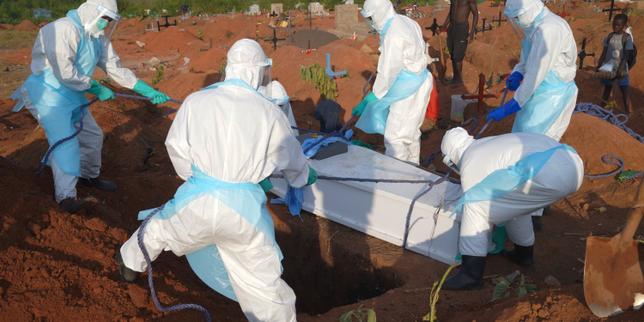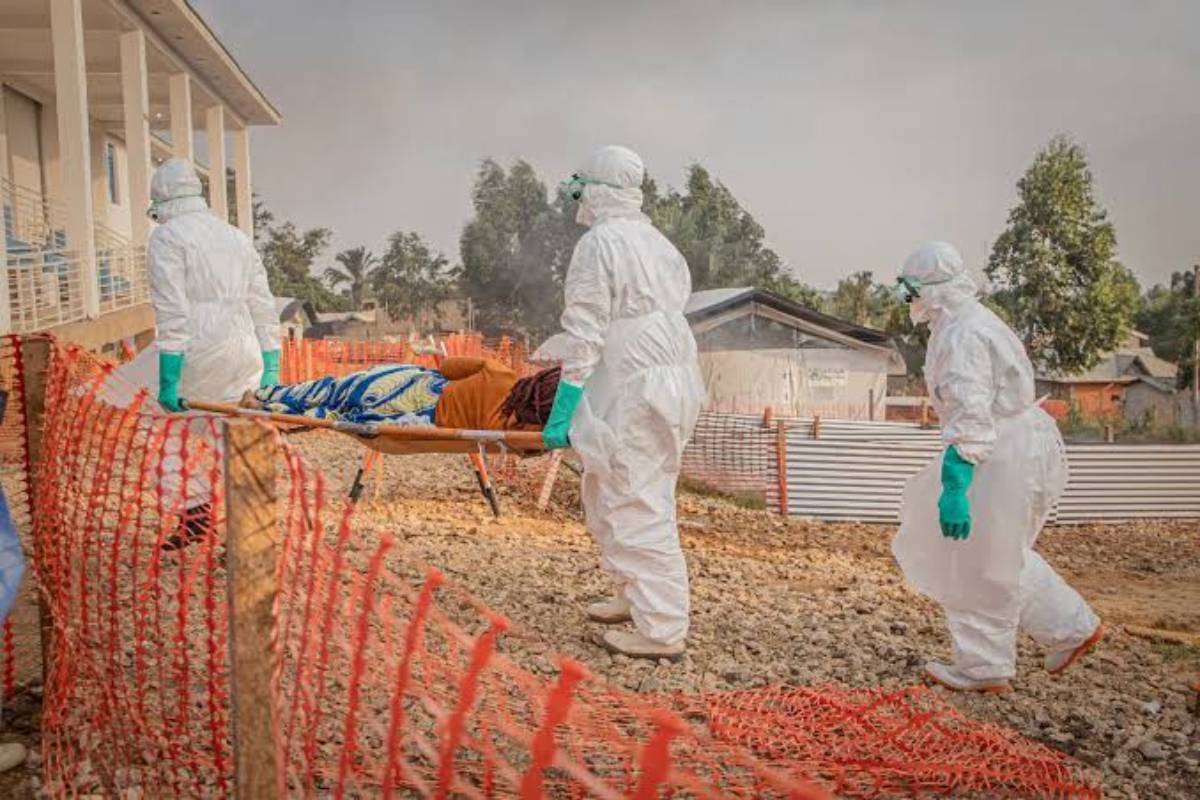
Headline numbers sell panic. When mainstream outlets scream about 1,800 Ebola cases and 648 deaths in the Democratic Republic of Congo, the global health apparatus pivots instantly to its favorite playbook: hyper-focusing on a single pathogen, counting bodies, and fixating on whether a Western citizen caught it.
This approach is fundamentally broken.
The obsession with tracking Ebola case counts treats a symptom while completely ignoring the structural failure that allows outbreaks to occur in the first place. Public health media views an epidemic as a biological invader to be crushed with vaccines and isolation wards. In reality, an outbreak is an economic and institutional diagnostic tool. It reveals exactly where governance, infrastructure, and local trust have completely disintegrated. If we want to stop these cycles of mortality, we have to stop treating Ebola like a freak natural disaster and start treating it as a predictable consequence of broken systems.
The Flaw of Pathogen Fetishism
Every time an outbreak hits Central Africa, international agencies deploy a familiar circus. Tens of millions of dollars pour into specialized isolation tents, experimental therapeutics, and high-tech tracking software.
It looks impressive on camera. It does almost nothing to build long-term resilience.
When the global health apparatus focuses entirely on a single disease, it creates a distorted medical monoculture. While international teams chase Ebola, thousands of people in the exact same communities continue to die quietly from preventable, routine killers: measles, malaria, cholera, and contaminated water.
- Resource diversion: When you build a multi-million dollar Ebola treatment center that only treats one specific virus, you leave the surrounding clinic without basic antibiotics, clean needles, or running water.
- The trust deficit: Local communities notice when foreign entities show up with unlimited funding for a terrifying virus but disappear when children die of basic diarrhea. This disparity breeds intense suspicion, leading to community resistance, hidden cases, and targeted violence against medical workers.
- Systemic neglect: Treating an epidemic as an isolated emergency ignores the reality that a strong, generalized primary healthcare system is the only effective defense against any infectious disease.
The Mirage of the Western Sentinel
Notice how the tone of global coverage shifts dramatically the moment an article mentions "one American citizen infected."
This is a glaring flaw in how international health crises are framed. The implicit message is clear: an epidemic in the Global South is a distant tragedy until it threatens to cross a Western border or affects a Western passport holder.
This perspective is both morally bankrupt and strategically useless. Diseases do not care about citizenship. The safety of a citizen in New York or London is entirely dependent on the structural integrity of the healthcare system in Beni, Butembo, or Mbandaka.
When international intervention is driven by fear of domestic transmission rather than a commitment to building permanent local capacity, the response is inherently reactive, short-lived, and ineffective. We send temporary aid packages instead of investing in water grids, reliable electricity, and competitive salaries for local doctors and nurses who understand the social fabric of the region.
The Mechanics of Epidemic Resilience
If the current top-down, panic-driven model fails, what actually works? The answer lies in decentralization, basic infrastructure, and shifting power back to local institutions.
1. Shift Funding from Extraction to Foundation
International donors love funding tangible, high-profile items: specialized medical equipment, mobile apps for contact tracing, and brand-new diagnostic kits. They hate funding dull, unglamorous necessities like paved roads, public water filtration systems, and reliable supply chains for basic personal protective equipment.
Without those boring foundations, the high-tech equipment becomes useless trash the moment the international NGOs pack up and leave. Funding must prioritize the baseline infrastructure required to keep a standard hospital functioning 365 days a year.
2. De-escalate the Rhetoric, Elevate the Economics
Public health communication often relies on wartime metaphors: "fighting" the virus, "defeating" the outbreak, "mobilizing forces." This militaristic language justifies heavy-handed tactics like forced quarantines and armed escorts for medical teams, which alienate communities and drive the sick into hiding.
The reality of outbreak containment is economic, not military. People run from quarantine because a day without work means their family does not eat. If public health interventions do not include direct economic support, compensation for lost wages, and guaranteed food security for isolated families, containment efforts will fail every single time. Compliance cannot be enforced through fear; it must be sustained by basic economic security.
3. Dissolve the Temporary NGO Ecosystem
The current model relies on an influx of international non-governmental organizations that set up parallel healthcare systems during a crisis. These temporary structures operate independently of local ministries of health, poaching the best local doctors and nurses with higher salaries, only to disband when the news cycle moves on.
This extraction of human capital leaves the permanent local health system weaker than it was before the outbreak. International funding should be funneled directly into reinforcing existing public health structures, paying local workers sustainable wages, and building permanent diagnostic laboratories managed by regional scientists.
Dismantling the Consensus
Standard public health panels frequently ask: "How do we deploy vaccines faster to the next hotspot?"
This is the wrong question. The right question is: "Why does a hotspot exist in the first place?"
Vaccines are a vital tool, but they are not a silver bullet. A vaccine cannot cure a lack of clean water. It cannot restore trust in a government that has neglected its population for decades. It cannot navigate a dense jungle without a road network.
The downside to this contrarian view is obvious: it requires patience, massive structural investment, and a willingness to abandon the quick public relations wins that come with emergency aid. It means admitting that a headline about 648 deaths is an indictment of a global economic architecture that keeps entire regions in a state of permanent instability.
Stop counting the bodies. Start fixing the foundation.