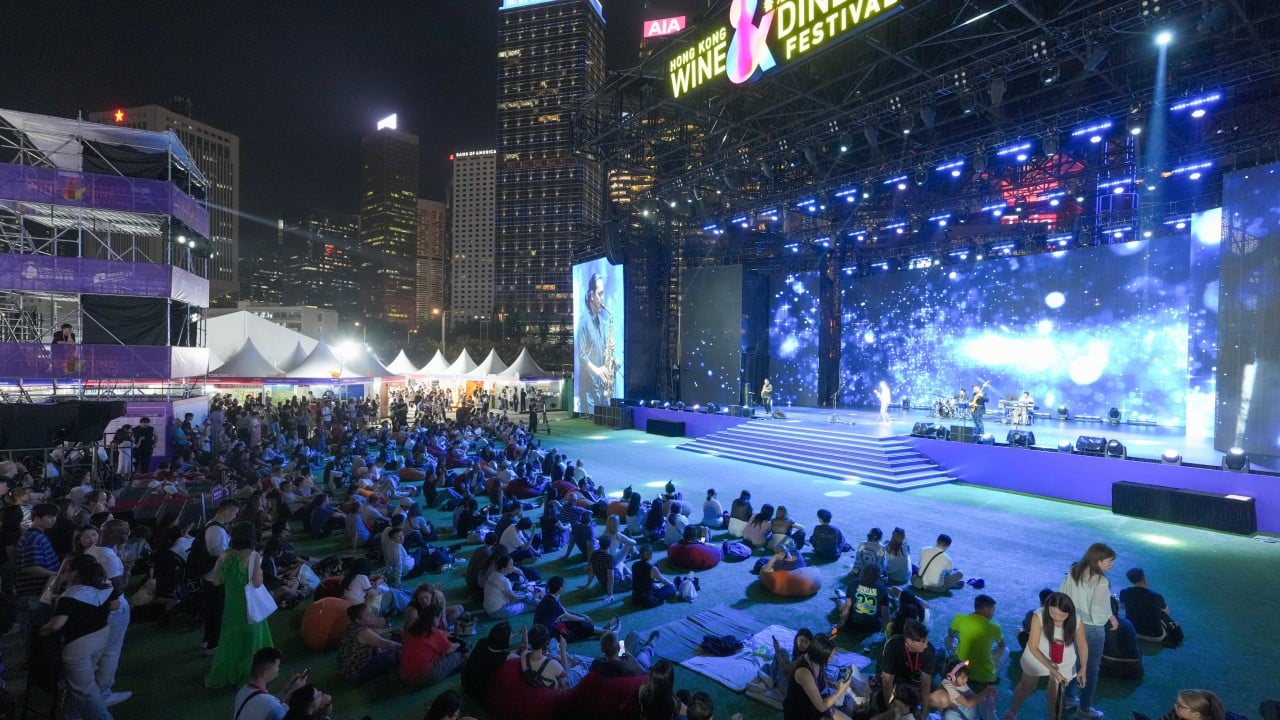
Seasonal calendar alignment drives the reported spike in Wine and Dine Festival vendor revenue during Halloween weekends, rather than spontaneous consumer generosity. When a major municipal culinary event overlaps with a culturally entrenched holiday, organizers capture a dual-intent audience: dedicated gastronomes seeking curated tastings and casual revelers looking for an atmospheric night out. This convergence artificially compresses demand into a tight seventy-two-hour window, inflating footfall metrics and pushing per-head spending higher through novelty pairings and extended evening dwell times.
Surface-level coverage celebrates the top-line numbers. Booth operators report brisk sales, lines snake down waterfront promenades, and event organizers claim a triumph of experiential programming. Yet anyone who has spent two decades tracking hospitality margins and municipal event economics knows that raw footfall is a vanity metric. High traffic volume does not automatically translate into net profitability for the independent vintners, importers, and restaurateurs paying steep exhibition fees to stand behind a six-foot counter.
The Mechanics of Holiday-Induced Footfall
To understand why a Halloween overlay changes the commercial physics of a food and wine festival, you have to look at consumer acquisition cost and dwell time. Standard culinary festivals rely heavily on pre-sold tasting tokens and targeted marketing to food enthusiasts. That audience is discerning, price-sensitive regarding pour sizes, and tends to arrive early, sample methodically, and leave before late-night crowds form.
Halloween alters that demographic profile entirely. The holiday brings out groups motivated by social spectacle, costumes, and communal celebration. These attendees rarely calculate the exact per-milliliter value of a Bordeaux blend or a small-batch gin. Instead, they purchase for the immediate social experience. When festival organizers integrate themed lighting, costume incentives, or late-night entertainment, they effectively turn a trade-adjacent tasting event into a de facto city-wide party.
How Novelty Drives Impulse Transactions
In a traditional tasting environment, a vendor must educate the consumer before making a sale. That requires time, staff bandwidth, and generous free samples—all of which erode unit economics. During a holiday rush, the friction of education disappears.
Consider a hypothetical example of a mid-sized craft spirit distributor operating a standard booth. On a normal Thursday evening, staff might spend four minutes explaining botanical maceration to sell a single cocktail. On Halloween night, if that same distributor offers a dark-hued, theatrical garnish or a "spooky" limited-edition serve, transaction time drops to forty seconds. Volume spikes because visual novelty replaces palate education as the primary purchasing trigger.
- Compressed decision cycles: Consumers buy based on visual appeal and peer momentum rather than tasting notes.
- Premium pricing tolerance: Holiday revelers accept higher markups on themed food items and specialty pours that they would reject during a standard weekend.
- Extended operating hours: Nighttime holiday programming keeps the gates open later, adding high-margin evening beverage hours to an event schedule traditionally dominated by afternoon grazing.
The Hidden Cost Structure for Booth Operators
While press releases highlight surging gross receipts, the ledger behind the scenes tells a far more complicated story. Festival vendors operate under brutal fixed-cost structures before they pour a single drop. Booth rental fees, mandatory health and safety certifications, cold-storage logistics, temporary staffing, and municipal revenue-sharing agreements routinely consume between forty and sixty percent of gross sales.
When a Halloween surge hits, those operational pressures multiply. A sudden influx of unscheduled foot traffic strains supply chains that were calibrated months in advance. Vendors face an acute inventory dilemma: over-order perishable ingredients and risk catastrophic spoilage if inclement weather hits, or under-order and run dry by 8:00 PM on the most lucrative night of the festival.
"Footfall is vanity; margin is sanity. Selling out of your flagship vintage by Saturday afternoon sounds great in a local newspaper quote, until you realize you are still paying staff to stand in an empty booth for the remaining thirty hours of your contract."
Furthermore, holiday crowds carry a higher operational drag. Security requirements tighten. Glassware breakage increases, forcing vendors to switch to high-grade polycarbonate alternatives that add unexpected packaging costs. Staff fatigue sets in faster when managing rowdy, costumed crowds compared to steady streams of daytime culinary tourists. For a small family-owned winery or an independent street-food kitchen, the overtime wages required to survive a chaotic holiday rush can quietly wipe out the incremental revenue generated by the crowd.
The Cannibalization of Brick-and-Mortar Hospitality
There is another side to this story that festival press offices rarely mention: spatial revenue displacement. When a municipal government or tourism board stages a massive outdoor food and wine festival over a major commercial holiday, that spending does not materialize out of thin air. Much of it is siphoned directly from surrounding brick-and-mortar restaurants, wine bars, and neighborhood pubs.
Halloween is historically one of the highest-grossing nights of the year for independent hospitality venues. Local operators rely on holiday bar tabs to build cash reserves ahead of slower winter months or post-holiday lulls. When tens of thousands of consumers are funneled into a ticketed waterfront enclosure or a closed-off exhibition zone, neighborhood dining rooms sit half-empty.
The Double-Whammy for Local Restaurateurs
Independent restaurant owners face a lose-lose proposition when a major festival dominates a holiday weekend. If they stay on the sidelines, they watch their regular clientele migrate to the festival grounds. If they buy a booth to capture that migrating traffic, they end up competing against themselves—paying premium festival rents while still covering the fixed lease and utility costs of their empty brick-and-mortar kitchen back on the high street.
- Staffing dilution: Pulling top front-of-house talent to work a festival booth leaves the home restaurant understaffed during a critical holiday shift.
- Brand dilution: Serving food out of chafing dishes or disposable containers in a crowded tent rarely reflects the true culinary standard of a sit-down establishment.
- Margin compression: Even if festival sales are brisk, the net profit per plate at an outdoor event is consistently lower than in a controlled dining room environment.
Why Tourism Boards Love the Holiday Overlay
From a macroeconomic and destination-marketing perspective, the incentives are completely inverted. Tourism boards, municipal authorities, and corporate title sponsors do not measure success by an individual vendor's net profit margin. Their key performance indicators are hotel occupancy rates, inbound visitor arrivals, credit card transaction volume, and earned media impressions.
Pairing a flagship wine and dine festival with Halloween solves a persistent headache for destination marketers: shoulder-season stagnation. Late October and early November often represent an awkward transition period between autumn travel and December holiday retail peaks. By anchoring a major culinary festival to a globally recognized cultural event, organizers create a compelling reason for regional tourists to book three-night hotel stays rather than making a quick day trip.
The visual optics are equally valuable. Photos of costumed attendees clinking wine glasses against a glittering city skyline generate vastly more organic social media traction than standard shots of wine tastings. That free user-generated content serves as an unpaid global advertising campaign for the host city, driving future tourism revenue that dwarfs the immediate ticket sales of the event itself.
Separating Sustainable Growth from One-Off Spikes
For industry analysts and prospective vendors evaluating whether to buy into next year's festival cycle, the lesson is straightforward. You cannot build a multi-year retail or distribution strategy around an anomalous holiday surge. True festival ROI comes from post-event customer conversion—turning a casual festival taster into a repeat retail buyer, a wine club subscriber, or a regular restaurant diner.
Holiday revelers are notoriously difficult to convert into long-term customers. Someone who buys a glass of Shiraz because it matches their vampire costume is unlikely to remember the vineyard's name on Tuesday morning, let alone place an online case order. Vendors who treat the Halloween rush purely as a high-volume cash-and-carry operation often walk away exhausted, holding modest profits and zero lasting brand equity.
To actually extract durable value from a holiday-driven surge, operators have to change how they work the booth:
- Strip down the menu: Eliminate complex, multi-step dishes and slow-pouring flights during peak holiday hours. Focus on two or three high-margin, rapid-service items that maximize throughput without breaking your kitchen line.
- Automate data capture: Do not rely on verbal brand pitches over loud festival music. Use QR codes on cups, sleeves, or checkout counters that offer an immediate post-festival discount code in exchange for an email address or social follow.
- Negotiate tiered booth terms: Experienced vendors push organizers for revenue-share caps or lower base fees in exchange for anchoring high-traffic zones, shifting some of the weather and crowd risk back onto the event promoter.
The headlines celebrating record-breaking Halloween footfall tell only the first chapter of a much harder business reality. Next time a festival press release boasts about surging holiday sales, look past the crowd photos and ask the only question that matters in hospitality: how much cash was left in the register after the tents came down?

