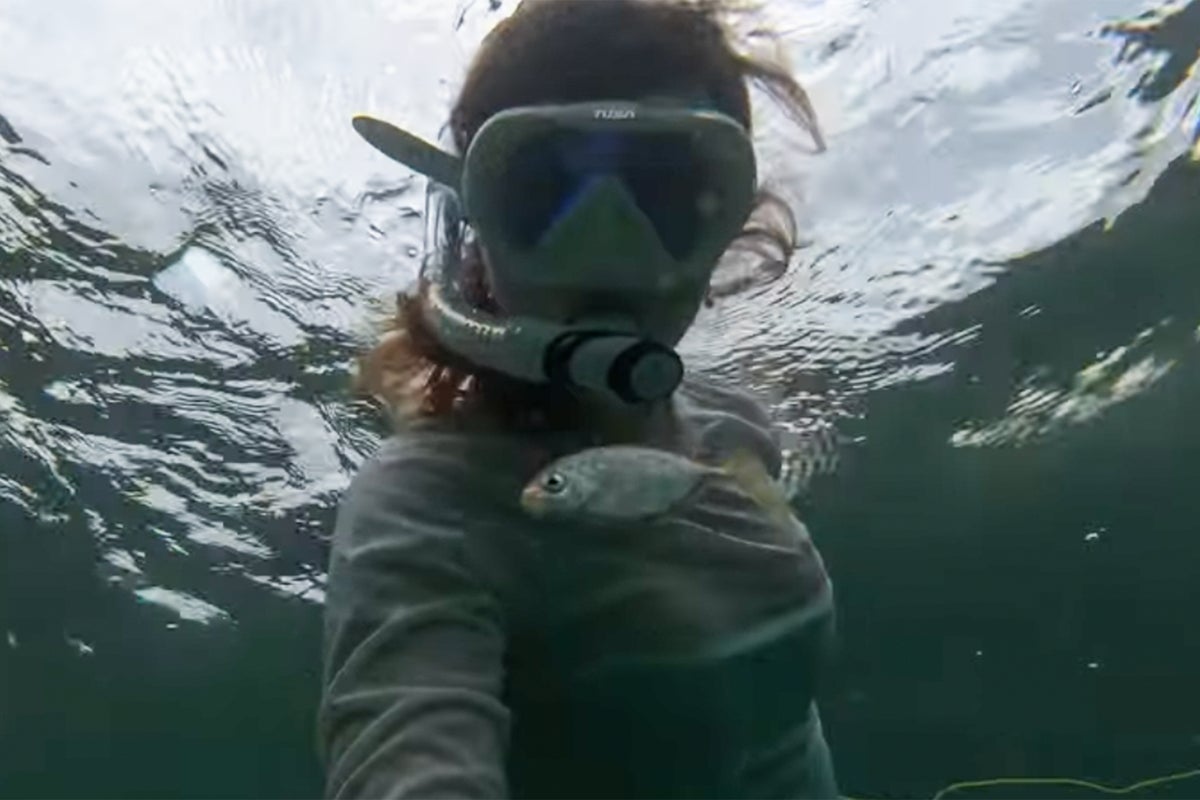
A peaceful afternoon in the Atlantic waters turned into an absolute nightmare last week. Kellie Melinda Williams, a 31-year-old American Airlines flight attendant and an incredibly experienced swimmer, went missing while snorkeling near Dr. Von D. Mizell-Eula Johnson State Park in South Florida. Hours later, two local fishermen spotted her body rolling in the surf on Hollywood Beach. They dragged her onto the shoreline. It was a harrowing, gut-wrenching scene.
Early media reports quickly threw around phrases like "suspected diving accident." That label is lazy. It’s also completely wrong.
An autopsy by the Broward County Medical Examiner’s Office revealed the real truth. Williams didn't drown from a panic attack, and she didn't suffer a medical emergency underwater. She died from massive blunt force injuries. The Florida Fish and Wildlife Conservation Commission (FWC) confirmed those injuries match one thing perfectly: a violent boat strike.
This isn't a tragic scuba mishap. It's a hit-and-run on the water.
Why Florida Beaches Are Becoming Death Traps for Swimmers
South Florida has a massive boater problem. The stretch of ocean near Dania Beach and Hollywood Beach is beautiful, but it's also a congested highway for recreational boats, fishing vessels, and jet skis. When you mix heavy boat traffic with people swimming or snorkeling close to shore, the results are routinely fatal.
Look at the logistics of this incident. Williams vanished during the day on Wednesday, June 3, 2026. She was swimming in the coastal waters off the state park. By 8:00 p.m., her body washed ashore miles away. The momentum of the water and the sheer force of the impact tell a clear story.
Boaters routinely ignore speed zones near the shoreline. They scan the horizon for other boats but completely miss the human head bobbing just above the surface.
The ocean isn't a swimming pool. Visibility changes in a fraction of a second. If a vessel is hauling tail through a known recreation area, a snorkeler doesn't stand a chance.
The Devastating Reality of Vessel Strikes
Williams wasn't an amateur. Her father noted that she loved the ocean, spent years scuba diving, and had lived near the South Florida coast for about four years after moving from California. She knew how to handle herself in the water. She had recently married, built a life in the Sunshine State, and commuted out of Miami International Airport for her job with American Airlines.
When an experienced swimmer dies like this, it highlights a massive gap in maritime safety and enforcement.
The FWC and Hollywood Police Department detectives are currently running a joint investigation. They haven't found the boat. They don't know who was driving. Think about the reality of that situation for a second. Someone was operating a vessel, smashed into a human being with enough force to cause fatal blunt force trauma, and just kept driving.
Maybe they didn't feel it. Heavy boats hitting a soft target can sometimes mask the impact, especially with a loud motor running. But frankly, most experienced captains know when they hit something.
What You Must Do to Protect Yourself in Open Water
If you swim, dive, or snorkel off the Florida coast, you cannot rely on boaters to see you. They won't. You have to take your safety into your own hands because the system isn't doing it for you.
- Never swim without a high-visibility dive flag. A standard dive buoy or flag is legally required in Florida for a reason. It gives boaters a visual marker from a distance. If you're snorkeling without one, you're essentially invisible to a speeding boat.
- Stay well inside the designated swimming areas. Avoid channels, inlets, and areas where boats frequently transition from slow-speed zones to open water.
- Wear bright, neon colors. Dump the black or dark blue wetsuits. Choose bright orange, yellow, or pink rash guards and caps.
- Listen constantly. Sound travels incredibly well underwater. If you hear the deep rumble or high-pitched whine of an outboard motor getting louder, get your head up and scan immediately.
The Association of Professional Flight Attendants recently released a statement mourning the loss of Williams, sending shockwaves through the airline community. Her death shouldn't just be another statistic or a sensationalized headline about a body on a beach. It needs to be a wake-up call for stricter boating enforcement and better education on coastal shared spaces.
Authorities are desperate for leads. If you were on the water near Dr. Von D. Mizell-Eula Johnson State Park or Dania Beach on the afternoon of Wednesday, June 3, 2026, and saw a boat operating erratically, call Broward County Crime Stoppers immediately at 954-493-8477. Check your vessel's hull if you navigate those waters regularly. Even the smallest piece of information can help piece together exactly what happened before the ocean washed her ashore.