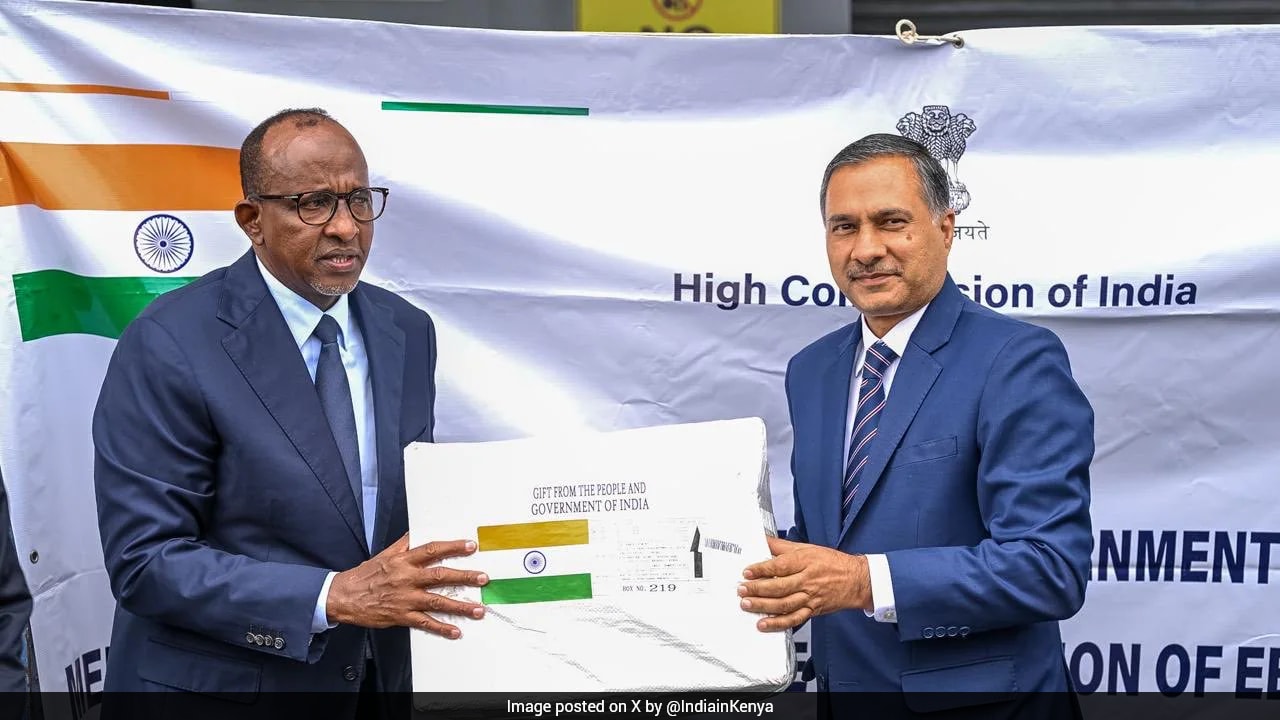
India recently dispatched essential medical supplies to Kenya to reinforce the country's defense against potential Ebola outbreaks. The shipment contained personal protective equipment, therapeutics, and specialized diagnostic kits designed to strengthen frontline health centers. This initiative addresses immediate operational gaps in East African containment protocols while highlighting how bilateral partnerships step in where multilateral agencies move slowly.
Behind the diplomatic handshakes lies a pressing biological reality. Outbreak prevention relies on rapid, localized action long before a virus reaches urban transport hubs. When hemorrhagic fevers appear in neighboring regions, sovereign nations cannot afford to wait for international emergency funds to navigate bureaucracy. Kenya's position as a major transit center makes early preparation crucial for regional stability.
Medical Logistics on the Front Lines
Emergency medical shipments must overcome significant logistical hurdles long before reaching a field hospital. Diagnostic kits require strict temperature controls during transport. Without reliable cold-chain management, sensitive testing reagents degrade, rendering diagnostic tools useless in remote clinics.
When supplies arrive at regional airports, distribution networks determine whether equipment reaches rural health workers or sits in central warehouses. Effective aid depends on precise inventory tracking, local training, and immediate deployment to high-risk border zones.
The Geopolitics of Public Health Aid
Direct bilateral health assistance offers clear strategic advantages over delayed global interventions. Nations providing direct medical support establish strong diplomatic ties and secure vital health security channels across key trade routes.
For receiving nations, direct foreign aid fills critical supply shortages without adding burdensome debt. Kenya gets immediate access to essential gear, while India demonstrates its expanding role as a primary supplier of global pharmaceutical goods.
Diagnostic Capacity and Real World Readiness
Having medical gear on site is only half the battle. Health workers must identify symptoms quickly, isolate suspected cases, and process laboratory samples without exposing themselves or communities to dangerous pathogens.
Training local personnel to use specialized diagnostic tools takes time. If medical staff lack proper instruction, even advanced protective gear cannot eliminate the risk of accidental exposure during severe health crises. Public health security requires continuous investment in training, infrastructure, and rapid supply lines.
Building long-term defense systems requires sustained commitment beyond initial emergency shipments. Strengthening surveillance networks, maintaining local stockpiles, and ensuring rapid communication between border posts will determine whether regional health systems can stop the next threat in its tracks.

/https://i.s3.glbimg.com/v1/AUTH_e84042ef78cb4708aeebdf1c68c6cbd6/internal_photos/bs/2026/g/B/3vpkvHQKizRKAfzDxjXA/vini-jr-antes-e-depois.jpg)