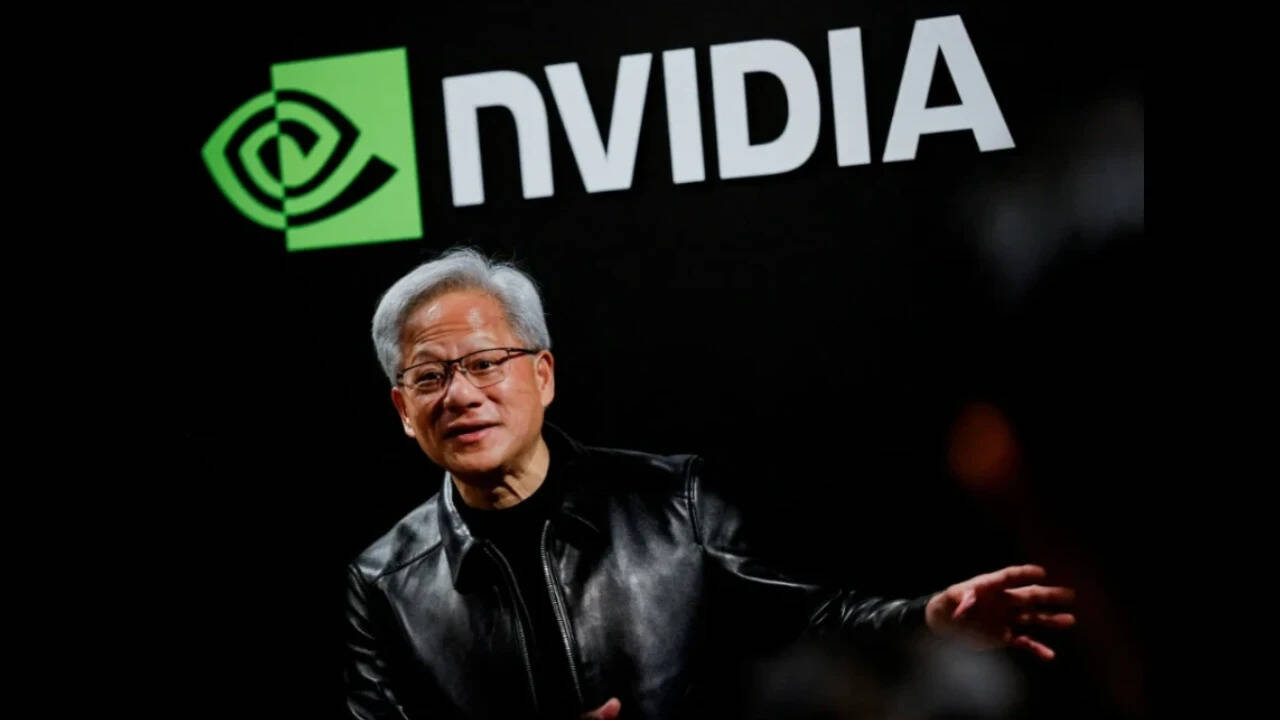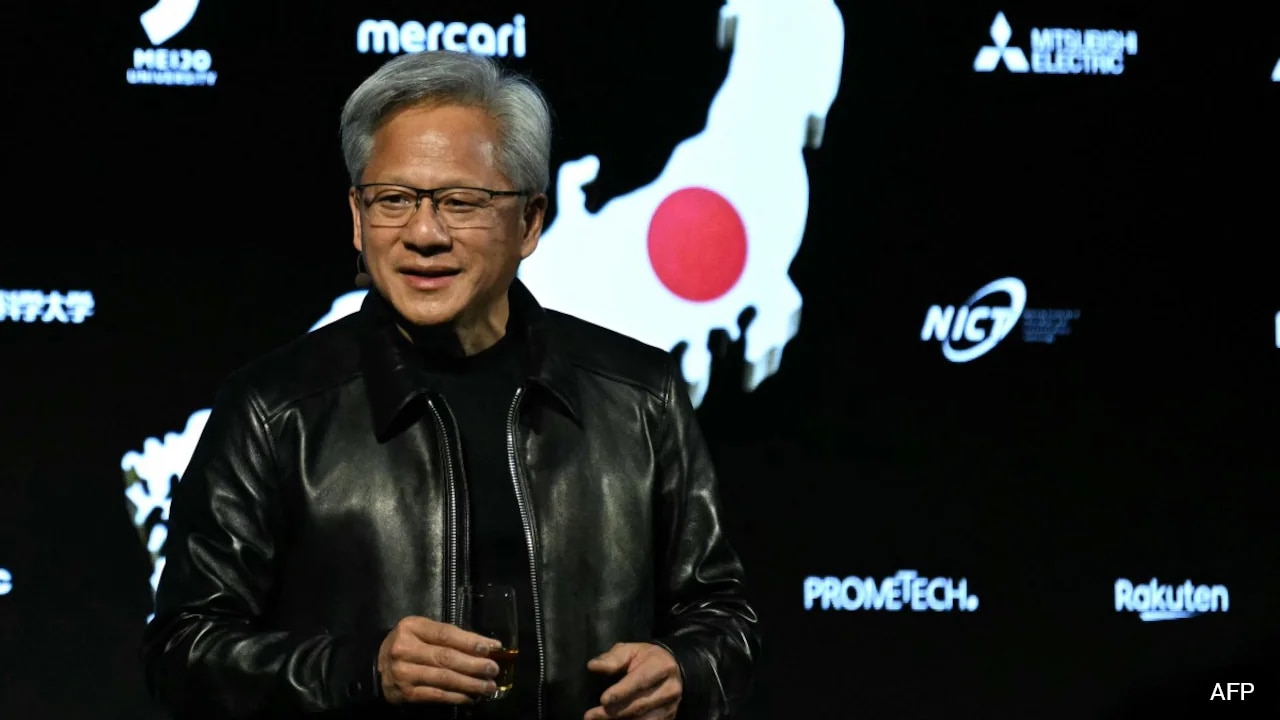
Let's clear the air right away. Nvidia isn't firing Jensen Huang, and there isn't a real corporate coup happening inside Santa Clara over an espionage scandal.
If you stumbled across a viral headline claiming Nvidia's board is preparing to oust CEO Jensen Huang over a "spy affair" row, you're looking at a classic piece of internet misinformation—or a badly distorted mashup of real export-control headlines and pure clickbait. Honestly, it's wild how fast these rumors spread when a company sits at the center of a multi-trillion-dollar AI boom. One sketchy blog post gets scraped by an aggregator, gets reposted on social media with a dramatic thumbnail, and suddenly retail investors are panicking in the comments.
I've watched tech rumor mills churn for years, and semiconductor news is uniquely vulnerable to this kind of distortion. Why? Because the real geopolitical tensions surrounding AI chips are already so intense that fake drama sounds plausible at first glance.
Where the Nvidia Spy Affair Rumor Actually Came From
To understand why people fell for this headline, you have to look at the real backdrop. Over the past few years, Nvidia has been caught right in the middle of fierce US-China semiconductor export restrictions. Washington has repeatedly tightened rules on high-end AI accelerators like the H100, A100, H200, and Blackwell architectures, trying to stop advanced compute power from reaching Chinese military or intelligence programs.
At the same time, real news stories have surfaced about smuggling networks, middlemen moving restricted GPUs across borders in suitcases or shell companies, and US intelligence officials scrutinizing supply chains. When you combine real headlines about chip smuggling with aggressive clickbait farms looking for ad revenue, you get fabricated stories claiming Jensen Huang is being pushed out over a "spy affair."
There is zero credible reporting from any legitimate financial or tech outlet—not Bloomberg, not Reuters, not The Wall Street Journal, not the Financial Times—suggesting Nvidia's board is moving against Huang. None.
Think about the basic corporate reality here. Huang isn't just a hired gun brought in by activist investors. He co-founded Nvidia back in 1993, owns a massive stake in the company, and turned a graphics card maker into one of the most valuable enterprises on the planet. You don't casually "oust" a founder-CEO who just delivered historic data center revenue growth without a verifiable, earth-shattering SEC filing or major investigative scoop backing it up.
Why Clickbait Farms Target Jensen Huang Right Now
Clickbait publishers love a simple formula. Take the biggest name in tech, attach a loaded phrase like "oust," "scandal," or "spy affair," and let algorithmic feeds do the heavy lifting.
When Nvidia's stock swings by billions of dollars in a single afternoon, traders and everyday readers are hyper-sensitive to leadership risk. If someone sees a headline implying internal revolt at the top of the AI supply chain, they click first and verify later. Bad actors know this. Many of these low-quality sites use automated rewriting tools to spin routine regulatory news—like US Commerce Department inquiries into how restricted chips end up overseas—into sensationalized palace-intrigue fiction.
Sometimes these rumors also piggyback on real controversies that have nothing to do with boardroom coups. For example, tech companies regularly deal with intellectual property disputes, employee poaching lawsuits, or government compliance reviews. A normal legal dispute between chip engineers gets exaggerated into "espionage," and a routine board governance update gets twisted into "preparing to oust the CEO." Before you know it, a game of digital telephone turns mundane compliance work into a fictional thriller.
How Nvidia's Board and Leadership Actually Operate
If you want to know whether Jensen Huang's job is ever actually at risk, look at how Nvidia is governed rather than random headlines on your feed.
Nvidia's board of directors has been remarkably stable for years, filled with longtime Silicon Valley veterans who have backed Huang's long-term bets—from CUDA software in the mid-2000s to massive data center networking acquisitions like Mellanox. Those bets looked expensive and risky at the time. Today, they're the exact reason Nvidia dominates AI infrastructure.
Even on the geopolitical front, Huang has walked a careful public line. He has openly acknowledged the complexity of US export controls, worked with regulators to design compliant chips for international markets, and traveled globally to meet with heads of state about sovereign AI infrastructure. That's not the profile of a rogue executive clashing secretly with his own board over intelligence leaks.
Could regulatory pressure create headaches for Nvidia? Absolutely. Export compliance is a massive operational burden, and any semiconductor giant faces constant scrutiny from Washington, Beijing, and Brussels. Dealing with government rules is very different from facing an internal ouster, though.
How to Spot Fake Tech Executive Scandals Before You Share Them
The next time a shocking headline about a major tech CEO pops up in your feed, run it through a quick mental filter before reacting or making an investment decision.
- Check the primary source. Does the article link to an official SEC filing, a court document, or named investigative reporters at established outlets? If it just says "according to reports" without naming who broke the story, walk away.
- Look at the URL and byline. Many rumor mills operate on disposable domains or publish under generic staff names with no track record covering semiconductors or corporate governance.
- Search the exact claim on reputable financial wires. If Jensen Huang were truly being forced out of Nvidia, it wouldn't be an exclusive scoop buried on an obscure blog. Every major newsroom on Earth would have a breaking alert within minutes.
- Separate geopolitical friction from corporate coups. News about chip export laws, customs seizures, or foreign scrutiny is normal in today's hardware market. Don't let sensational headlines trick you into thinking routine regulatory friction equals a leadership collapse.
Treat viral executive-ouster rumors with immediate skepticism, verify any breaking corporate news directly against SEC filings or established financial wires before acting on it, and ignore the noise from unverified clickbait aggregators.