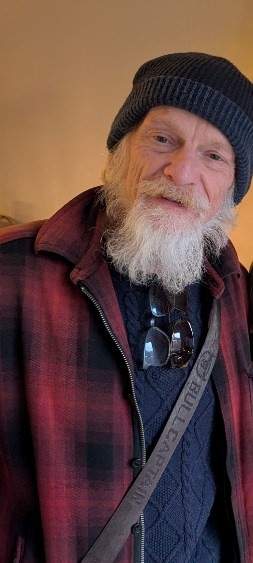
A 19-year-old farm worker named Talha is dead because someone wanted better lighting and a cooler camera angle for a TikTok video.
If you saw the viral headlines about a teen mauled to death by a tiger while filming a TikTok at a zoo, you probably got the location wrong. It didn't happen at a public zoo. It happened at a private wildlife breeding farmhouse in Lahore's Kahna area in Pakistan, and the fallout exposes a massive loophole in how social media clout intersects with private exotic animal ownership.
Here is what actually went down, why the suspects tried to blame a stray dog, and what this case tells us about the dangerous business of big cat content creation.
Inside the Lahore Farmhouse Incident
On November 11, 2026, Pakistani social media influencer Noman Hassan—who commands roughly 2.5 million followers on Instagram and hundreds of thousands more on TikTok—visited a private farmhouse in Kahna, a suburban area of Lahore. Hassan had built a massive online brand around posing with exotic predators, routinely posting clips alongside big cats to drive engagement.
He wasn't there to admire wildlife conservation. He was there to shoot content.
According to the formal police complaint filed by the victim's father, Munir Ahmed, Hassan wanted a female tiger taken out of her secure enclosure so he could film a TikTok video. Talha, a 19-year-old caretaker employed at the property where his own father and brother also worked, was tasked with assisting the shoot and handling the animal outside the cage.
Big cats don't care about follower counts.
Once the tigress was out of her enclosure, she lost control and lunged at Talha. The attack was brutal and immediate. Talha suffered catastrophic injuries before anyone could pull the animal off him. He was rushed to a private hospital in Lahore, where doctors pronounced him dead during treatment.
Lahore Police moved fast once the truth surfaced, arresting both Noman Hassan and the farmhouse owner, identified in police reports as Fayyaz. Wildlife authorities stepped in immediately afterward, seizing the tigress and placing her in state custody with the Punjab Wildlife Department while investigators audited the farm's permits.
The Cover-Up That Exposed Everything
What turns a tragic accident into a textbook case of criminal negligence is what happened right after the mauling.
Instead of owning up to the disaster, Hassan and the farmhouse owner allegedly tried to scrub the tiger out of the story entirely. According to statements from Lahore Police, the suspects told hospital staff and authorities that Talha had been fatally mauled by a dog.
Think about how desperate that lie is. You don't mistake trauma from a full-grown tigress for a domestic dog bite. Forensics and medical staff can spot the difference in seconds.
The cover-up unraveled completely when investigators obtained a recorded conversation between the farmhouse owner and Talha's father, Munir Ahmed, which confirmed the fatal injuries came from the tigress during the video shoot. Deputy Inspector General of Police Operations Faisal Kamran made it clear that law enforcement wouldn't just prosecute the safety failures—they would aggressively investigate the deliberate attempt to conceal the facts.
A Lahore Police spokesperson summed up the department's stance bluntly: a passion for TikTok cannot be worth more than a human life, and nobody gets to put workers in lethal danger for entertainment.
Why Private Breeding Farms Are So Dangerous
Most Western readers see the word "zoo" in tabloid headlines and picture a regulated municipal facility with concrete moats, tranquilizer teams, and strict OSHA-style safety protocols. That isn't what exists in Lahore's private farmhouse circuit.
In Punjab, wealthy landowners and breeders have operated private wildlife breeding farms for years. Under the Punjab Wildlife Protection, Preservation, Conservation and Management Act and subsequent breeding farm rules, individuals with enough acreage and capital can apply for licenses to keep and breed exotic mammals. On paper, these facilities are supposed to follow strict housing specifications, maintain veterinary records, microchip every animal, and submit to regular inspections by District Wildlife Officers.
In practice, enforcement has lagged behind the booming status-symbol market for big cats.
Owning lions and tigers in Lahore became an elite flex long before TikTok existed. When short-form video platforms exploded, those private farmhouses turned into turnkey content studios. Influencers pay or trade clout for access to captive predators, treating 400-pound apex carnivores like overgrown house cats.
Here is the reality of captive big cat behavior that content creators completely ignore:
- Captive does not mean domesticated. Even if a tiger is hand-raised from a cub, its predatory wiring remains intact. Sudden movements, camera flashes, unfamiliar scents, or the stress of being pulled out of a familiar enclosure can trigger an instant kill response.
- Low-wage workers take the physical risk. Influencers rarely open the cage doors themselves. Young caretakers like Talha—often working alongside family members to make a living—are the ones standing inches from the jaws while the creator stays near the camera.
- Emergency response is nonexistent. Accredited zoos have trained rapid-response teams with sedation darts and physical barriers. A suburban farmhouse has panicked bystanders and a private car to drive a bleeding victim to the nearest clinic.
Punjab's 2025 Big Cat Crackdown and Legal Reality
The infuriating part about Talha's death is that Punjab authorities had already recognized this exact threat and tightened the law before the tragedy happened.
In 2025, the Punjab Wildlife and Parks Department rolled out strict guidelines and a phasing-out plan targeting private big cat ownership. Under those rules, keeping big cats in residential areas was banned outright, owners were forced to declare and microchip every animal through the Wildlife PASS system, and strict boundaries were placed on public interaction.
Specifically, the 2025 guidelines explicitly state that no big cat owner can take the animals outside their registered premises for public display or allow visitors inside an enclosure—even if the owner claims the animals are trained or tamed.
By letting a tigress out of her cage so an outside influencer could film a stunt, the Kahna farmhouse directly violated the exact safety principles those regulations were built to enforce. Investigators are now checking whether Fayyaz even held a valid, up-to-date license for the tigress or if the entire operation was running outside the law.
The Algorithm Rewards Recklessness
You can arrest one influencer and shut down one farmhouse in Kahna, yet the broader problem lives on your phone screen.
Social media algorithms are ruthless engagement machines. A video of a guy petting a golden retriever gets scrolled past in half a second. A video of a guy walking a live tigress on a chain or posing inches from her face stops thumbs cold. It triggers shock, debate in the comments, and millions of shares.
That engagement translates directly into sponsorship deals, ad revenue, and status. When creators see peers rack up millions of views with exotic animals without facing platform bans, the incentive structure pushes everyone to take bigger risks. Taking the animal out of the cage gets more views than filming through the bars. Standing closer gets more shares than standing back.
Platforms like TikTok and Instagram have community guidelines prohibiting animal abuse and dangerous stunts, yet enforcement is overwhelmingly reactive. Accounts featuring captive big cats routinely amass millions of followers before a fatal accident forces a review.
How to Spot and Stop Exploitative Wildlife Content
If you want to avoid fueling the exact market that got a 19-year-old killed in Lahore, change how you interact with exotic animal videos online.
- Stop hate-commenting on big cat stunt videos. Algorithms don't distinguish between praise and outrage. Leaving a comment calling an influencer reckless still boosts the video into millions of other feeds. Hit "Not Interested" or report the video for dangerous acts instead.
- Look for the red flags of private roadside farms. Legitimate sanctuaries and accredited zoos never allow influencers, tourists, or caretakers to walk loose adult tigers around courtyards for selfies. If you see a big cat in a tiled room, a backyard lawn, or on a leash, you're looking at private exploitation.
- Verify wildlife facilities before visiting or sharing. Check whether a facility holds accreditation from recognized bodies like the Association of Zoos and Aquariums (AZA) or operates under transparent state conservation oversight rather than private breeding permits.
Talha went to work at a farmhouse to earn a living, and he died because a camera was rolling and a cage door was unlocked for clicks. Until platforms demonetize captive predator stunts and local authorities enforce prison time for private owners who ignore enclosure laws, another caretaker is going to pay the price for someone else's view count.