The dry ink of an official bulletin has a strange way of masking blood and panic.
When the World Health Organization shifts a risk assessment from "high" to "very high," it looks like a minor typographic change on a spreadsheet in Geneva. It looks like a routine bureaucratic update. But on the ground in the Democratic Republic of Congo, that extra word—very—is a heavy, suffocating blanket. It means the thin line between a contained medical emergency and a runaway wildfire has just snapped.
To understand what is happening right now in the dense, forested heart of Africa, you have to look past the sterile statistics of epidemiology. You have to look at the mud.
Imagine a market day in Mbandaka. The air is thick with the scent of roasting cassava, damp earth, and the sharp tang of river fish. Hundreds of people jostle shoulder to shoulder. They are trading, laughing, and arguing over prices. Now, consider a single man in that crowd. Let us call him Alphonse. He is a father, a fisherman, and today, he has a headache. He thinks it is just the heat. He wipes a bead of sweat from his forehead and shakes hands with a neighbor. He buys some fruit. He boards a crowded wooden boat heading down the Congo River, a massive aquatic highway that feeds directly into Kinshasa—a city of twelve million souls.
Alphonse does not know that a microscopic killer is currently duplicating itself by the billions inside his bloodstream. He does not know that the WHO just updated its map because of people exactly like him.
The Geometry of an Outbreak
Ebola is not a new ghost in these forests. The DRC is surviving its ninth outbreak since the virus was first identified near the Ebola River in 1976. The country knows how to fight this enemy. Its doctors are among the most experienced outbreak specialists in the world.
But this time, the geometry of the threat has changed.
Historically, Ebola was a tragedy of isolation. It would flare up in a remote village, devastating a few families or an entire hamlet, and then burn itself out because there was nowhere else for it to go. The dense jungle acted as a natural quarantine. The virus killed quickly, often before the host could walk the long, grueling miles to the next settlement. It was horrific, but it was localized.
Mbandaka changed everything.
When the virus reached this port city of over one million people, it transformed from a rural nightmare into an urban time bomb. Cities are networks of infinite connections. In a village, you know everyone you touch. In a city, you touch a hundred strangers before noon. You hold the handrail of a bus, you pass paper currency, you sit on a crowded bench.
The WHO elevated the national risk to "very high" precisely because of this urban leap. The virus is no longer trapped in the woods. It has found the highway.
The Speed of the Invisible
The true horror of Ebola lies not just in what it does to the human body, but in how it weaponizes human kindness.
When a loved one falls ill with a severe fever, our primal instinct is to draw closer. We bathe them. We hold their hands. We wipe their brow. If they succumb to the illness, traditional funeral rites often dictate that the body be washed and embraced by family members before burial.
With Ebola, that tenderness is lethal.
The virus thrives in bodily fluids. At the end of a victim's life, when they are at their most contagious, the viral load is astronomical. Every act of grief-stricken comfort becomes an opportunity for the pathogen to find a new home. To survive an outbreak, communities are forced to do something profoundly unnatural: they must distance themselves from the suffering. They must treat the bodies of their mothers and sons as toxic waste.
The psychological toll of this shifts the entire landscape of trust.
When healthcare workers arrive in bright yellow, extraterrestrial hazmat suits, they do not look like saviors. They look like harbingers of death. In previous outbreaks, rumors spread like wildfire. The white doctors are stealing organs. The trucks are bringing the disease, not curing it.
Can you blame them? If your registry of experience tells you that everyone who enters a specific tent dies alone, behind plastic sheeting, you will hide your sick. You will keep Alphonse at home. You will treat him with local herbs, and you will accidentally sentence your entire household to the same fate.
The Fragile Shield
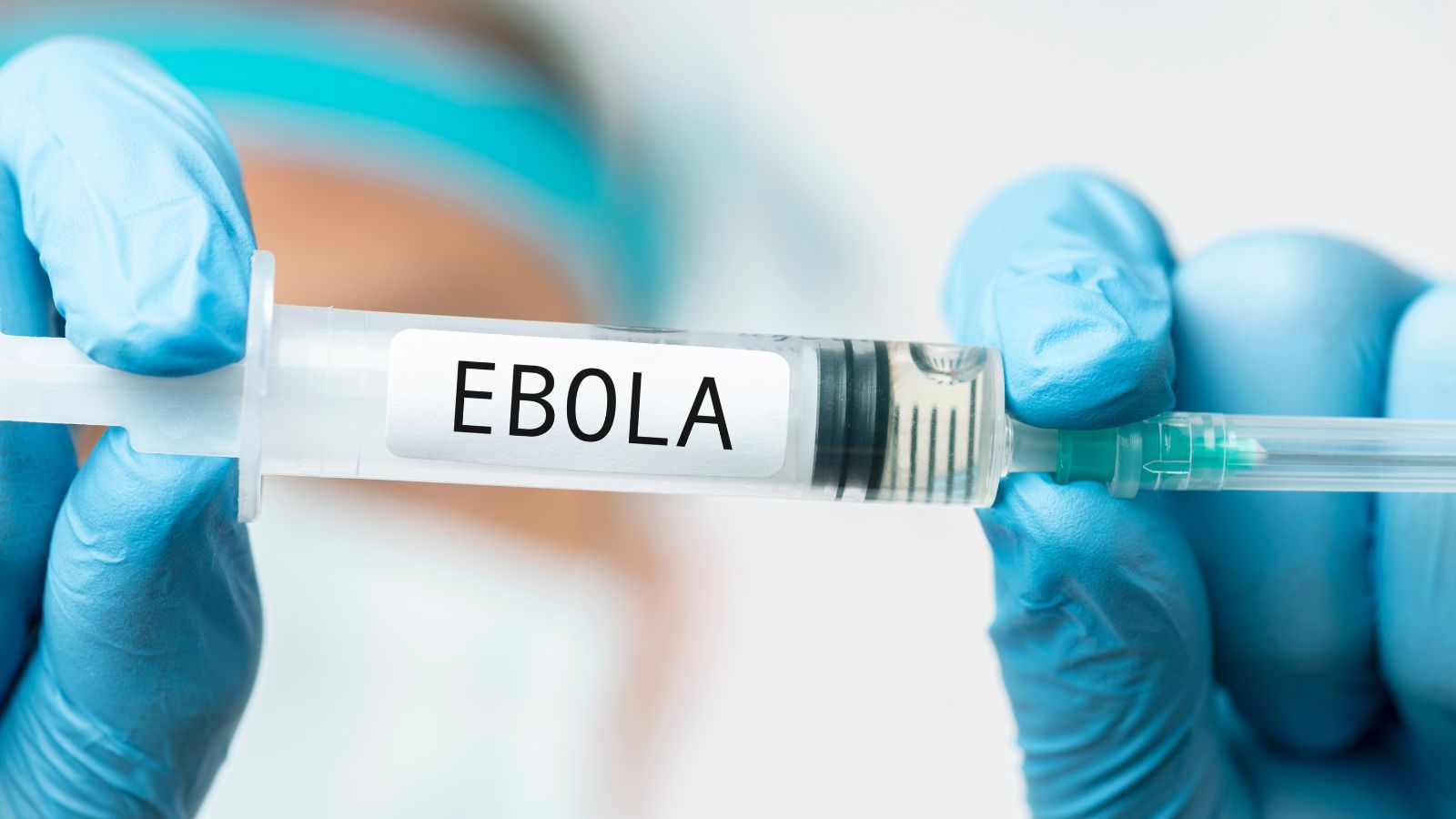
The global health apparatus is currently scrambling to deploy a weapon that did not exist during the catastrophic West African outbreak of 2014: a highly effective experimental vaccine.
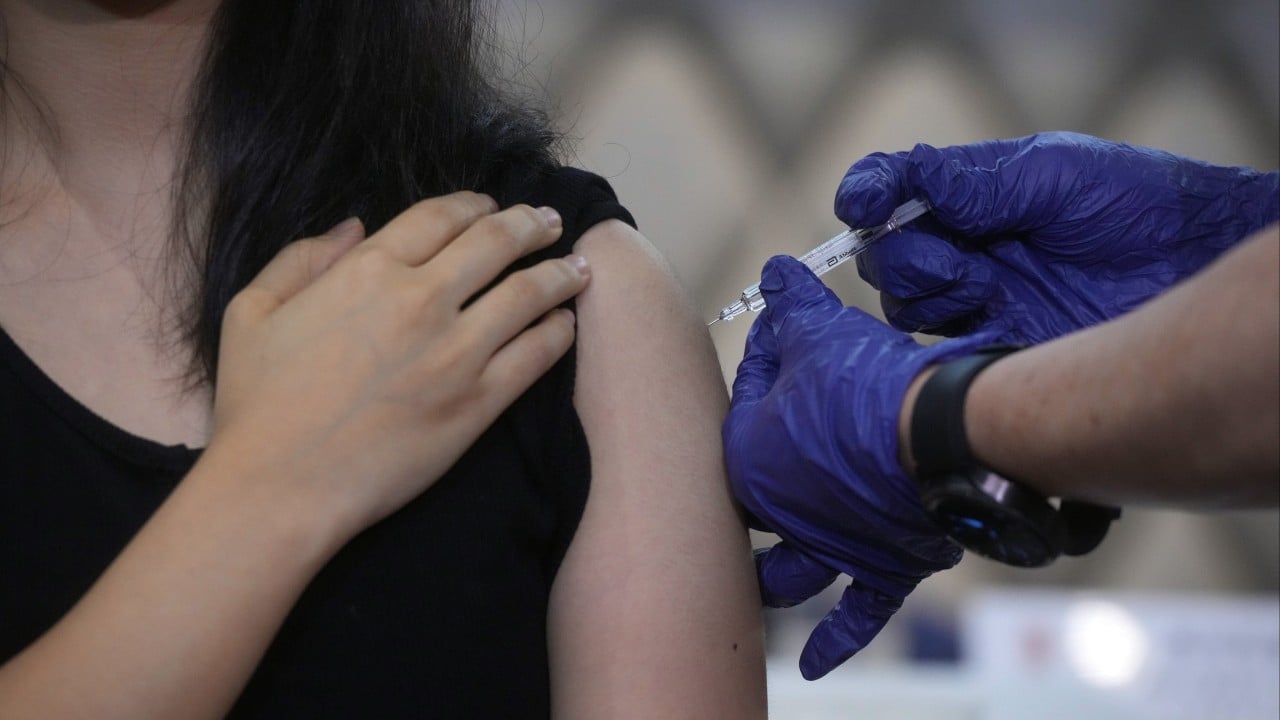
The strategy is called "ring vaccination." It is a beautiful, logical concept on paper. When a case is confirmed, teams locate every single person that individual interacted with, and then every person those people interacted with. They form a human shield of immunity around the infection, a firewall to stop the sparks from catching.
But logistics in the DRC are a masterclass in improvisation.
The vaccine must be kept at an astonishingly cold temperature—between minus sixty and minus eighty degrees Celsius. Now, picture trying to maintain that deep-freeze environment in a tropical climate where the humidity hugs you like a wet wool blanket and the electrical grid is a luxury, not a guarantee.
Health workers must trek through the forest carrying specialized, heavy cooling thermoses on the backs of motorbikes. They must navigate dirt roads that turn into waist-deep quagmires when the equatorial rains fall. They must convince terrified, suspicious populations to let them inject an unfamiliar liquid into their arms.
The international risk has been raised to "moderate" because the Congo River is a fluid border. Nine countries edge the DRC. The river connects Mbandaka to the Central African Republic and the Republic of the Congo. People cross constantly for trade, for family, for survival. A virus does not recognize a border post. It does not wait in line for a visa.
Beyond the Statistics
It is easy to look at the numbers coming out of Geneva and feel a detached sense of pity. It is easy to view the Congo as a permanent place of crisis, a recurring headline that has little to do with the paved streets and structured schedules of the Western world.
That distance is an illusion.
The elevation of risk by the WHO is an admission of vulnerability for everyone, everywhere. In an interconnected global economy, a pathogen in an urban center anywhere is a threat to an urban center everywhere. The frontline of global health security is not a laboratory in Atlanta or a boardroom in Geneva. It is a muddy riverbank in Mbandaka. It is a nurse working twelve-hour shifts in a suffocating plastic suit, listening to the rain beat down on a canvas roof.
The battle is being fought right now, in the quiet spaces between panic and policy. It is being fought by local volunteers who go door-to-door, speaking in local dialects, gently debunking rumors, and rebuilding the shattered pieces of communal trust. They are the true firewall.
As the sun sets over the Congo River, painting the water in deep shades of amber and violet, a wooden barge slips away from the dock. It is packed with passengers, cargo, and dreams of a better life downstream. Somewhere on that river, the future of the outbreak is moving. Whether it meets a wall of cold vaccines and warm, educated human resistance, or an open road of fear and neglect, will determine what the next bulletin says.
The world watches the map, waiting to see if the red stain spreads.