Britain is losing its color. Walk through the countryside today and you will mostly see a monotonous blanket of rye grass or dense scrub. We forgot how vibrant our landscapes used to be. Specifically, we forgot about our chalk grasslands. European chalk grassland is the tropical rainforest of Western Europe. It is that rich.
Up to 40 species of plants can cram into a single square meter of this habitat. This botanical wealth supports an incredible variety of rare insects that cannot survive anywhere else. Yet, the UK has lost roughly 80% of these unique ecosystems over the last century. We paved them, plowed them, or simply walked away and let scrub take over. Don't miss our earlier post on this related article.
It is time to reverse this trend. Restoring these habitats isn't just a nice weekend project for volunteers. It is a critical rescue mission for Britain's vanishing insect populations.
The Extinction Crisis Under Our Feet
Insect populations are crashing globally, but the situation on British chalk downs is particularly acute. Specialist species rely entirely on the unique conditions of these habitats. The soil is thin, nutrient-poor, and highly alkaline. This sounds terrible for farming, but it prevents aggressive weeds from dominating. It allows delicate wildflowers to thrive. If you want more about the history here, The New York Times provides an informative breakdown.
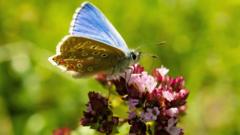
When you lose the flowers, you lose the bugs. Take the Adonis Blue butterfly. Its caterpillars feed exclusively on horseshoe vetch, a plant that only grows in short, sunny chalk turf. When the turf gets overgrown, the vetch dies out, and the butterfly vanishes. We see the same story with the Rugged Oil Beetle and the Wart-biter cricket.
They need chalk grasslands to survive. It is their only home.
Why Simply Leaving Nature Alone Fails
A common myth in conservation is that we should just leave land alone. Let nature heal itself. That strategy backfires spectacularly with chalk downs.
Without active management, these delicate areas quickly turn into dense hawthorn and bramble scrub. The specialized herbs and grasses need sunlight. They need open ground. Historically, this came from heavy grazing by wild herbivores, and later, from traditional sheep farming.
True restoration requires mimicking those old systems. It means bringing back grazing livestock, particularly hardy sheep and cattle, at the right times of the year. They act as natural lawnmowers. They eat the aggressive grasses and create patches of bare earth where wildflower seeds can germinate.
Conservationists across southern England, from the South Downs to the Wiltshire hills, are finding that managed grazing is the single most effective tool we have. The Royal Society for the Protection of Birds (RSPB) and various Wildlife Trusts have proved this on their reserves. When livestock manage the scrub, the flowers come back. The insects follow.
Turning the Tide on Fragmented Landscapes
Isolated pockets of nature do not work long-term. A colony of rare butterflies trapped on a single hillside will eventually suffer from inbreeding or get wiped out by one bad weather event. They need corridors. They need to connect with other populations.
The real goal of modern habitat restoration is scale. We need to link existing fragments of chalk downland across entire counties. This requires working with farmers and landowners, not just locking land away in nature reserves. Environmental subsidy schemes now reward farmers for creating wildflower margins and reducing fertilizer use on chalk hills.
It is a slow process, but it works. When you re-seed a field next to an ancient chalk remnant, the insects migrate. They colonize the new territory within a few seasons.
Your Role in Bringing Back the Downs
You don't need to own a massive estate to help restore these vital habitats. Change happens through collective action and small, local shifts.
Get involved with local Wildlife Trust work parties. They spend winters clearing encroaching scrub from historic downs to prepare the ground for spring flowers. If you live in a chalk region, plant native wildflowers like bird's-foot trefoil or scabious in your garden. Skip the pesticides entirely.
Support local conservation charities that purchase and protect these threatened landscapes. Talk to local planners about protecting remaining chalk banks from development. Every square meter of restored turf counts in the fight against insect extinction.