Evaluating high-level diplomatic pronouncements requires a structural separation between theatrical rhetoric and operational reality. When state executives utilize international assemblies to claim credit for halting hostilities or preventing mass casualties, observers must deconstruct the underlying mechanisms of the claim rather than accepting aggregate figures at face value. The intersection of domestic political incentives and international mediation reveals a distinct pattern of strategic posturing during periods of acute geopolitical friction.
The Anatomy of State Mediation Claims
International conflict resolution rarely follows a linear trajectory attributable to a single actor. When leaders assert personal responsibility for de-escalating bilateral standoffs, the structural components typically involve three distinct variables:
- Information Asymmetry: Publicly stated casualty estimates or threat scales, such as assertions regarding millions of lives preserved, often function as rhetorical amplifiers rather than actuarial projections. In the absence of transparent casualty modeling or independent verification, these figures serve to magnify the perceived stakes of diplomatic intervention.
- Bilateral vs. Third-Party Channels: Official state accounts frequently diverge on the provenance of ceasefires. While external mediators claim decisive leverage, regional actors often attribute cessations of hostilities to direct military-to-military communication channels, such as operational hotlines between directors-general of military operations.
- Domestic Audience Cost Mitigation: Executive addresses delivered at multilateral forums are frequently optimized for domestic political consumption. Framing foreign policy interventions as historic triumphs alters domestic approval baselines, particularly when economic pressures or active military engagements generate political vulnerability at home.
The Cost Function of Coercive Diplomacy
Concurrently deploying the language of a universal peacemaker alongside threats of total economic or military annihilation creates a specific diplomatic paradox. In game-theoretic terms, this dual-track messaging attempts to maximize deterrence while preserving an off-ramp for negotiated settlements. However, empirical analysis of coercive diplomacy suggests that extreme polarization narrows the bargaining space.
When an administration conditions future economic stability or regime survival on immediate concessions—while simultaneously pointing to past regional ceasefires as proof of negotiation efficacy—adversarial states face severe credibility dilemmas. The marginal utility of compliance diminishes if the counterparty's historical commitments to bilateral agreements are perceived as unstable. Consequently, adversaries often respond with tactical opacity, utilizing diplomatic stonewalling to hedge against domestic political fallout.
Market and Strategic Implications
The systemic impact of such grandstanding extends directly to commodity pricing and regional risk premiums. Markets price geopolitical risk based on the probability of physical supply disruption rather than rhetorical escalation. When leaders couple warnings of swift military action with predictions of plummeting energy prices following a prospective deal, asset markets undergo heightened volatility.
Investors must decouple executive declarations from operational timelines. Strategic positioning should rely on hard logistical indicators—such as troop repositioning, maritime traffic flows in critical chokepoints, and formal diplomatic communiques—rather than speeches designed to capture immediate news cycles. Long-term stability remains contingent on institutionalized verification frameworks rather than episodic declarations of executive success.
Prioritize institutional verification channels over public executive statements when assessing bilateral de-escalation timelines. Cross-reference claims of third-party mediation against direct operational disclosures from defense ministries to isolate verifiable diplomatic levers from rhetorical positioning.
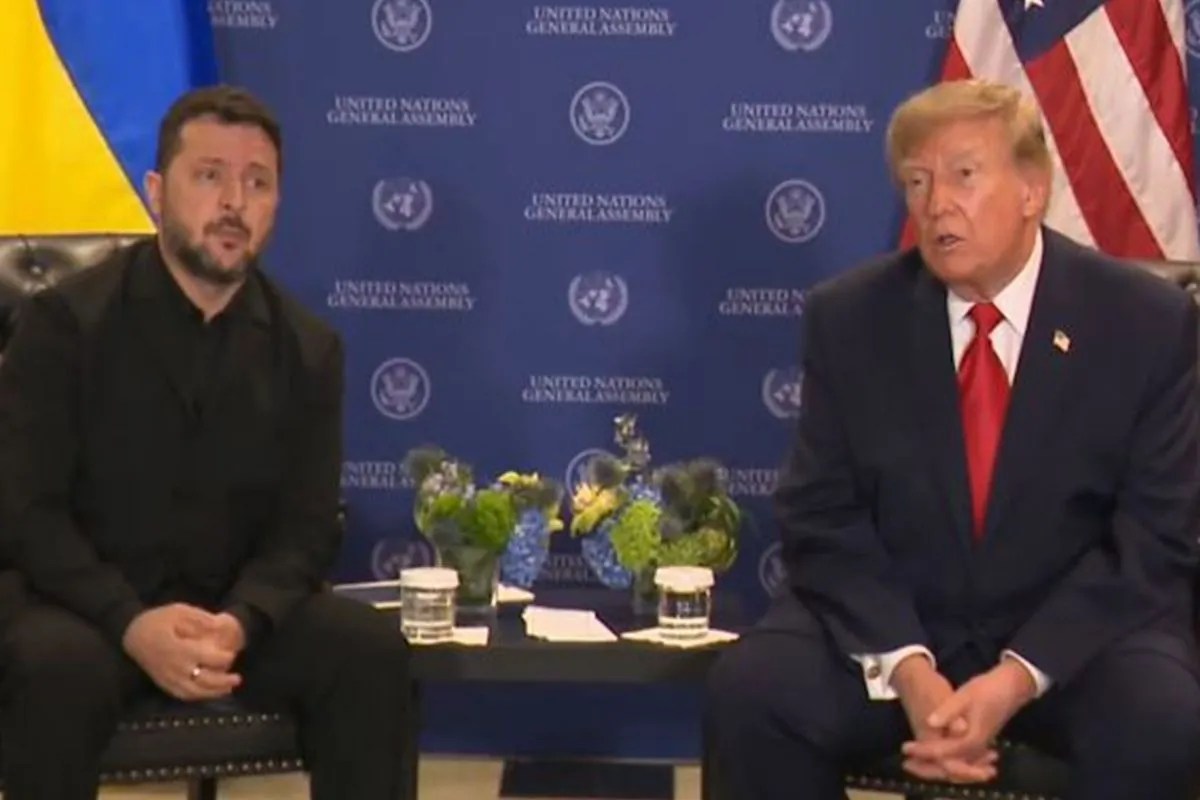
This short video clip provides visual context for the public statements and reactions surrounding the diplomatic claims made at the international assembly.