The rain over the Himalayas does not fall as drops. It falls as an architectural weight, a grey wall that dissolves the horizon until earth and sky share the same bruised color.
When the mountain gives way, it does not whisper. It roars.
Consider a village tucked into the folds of the Tibetan plateau or clinging to a steep Nepalese ridge. To an outsider on a relief map, it is a charming cluster of stone and timber. To the people who woke up to the sound of churning mud at three in the morning, it was simply everything they had ever built.
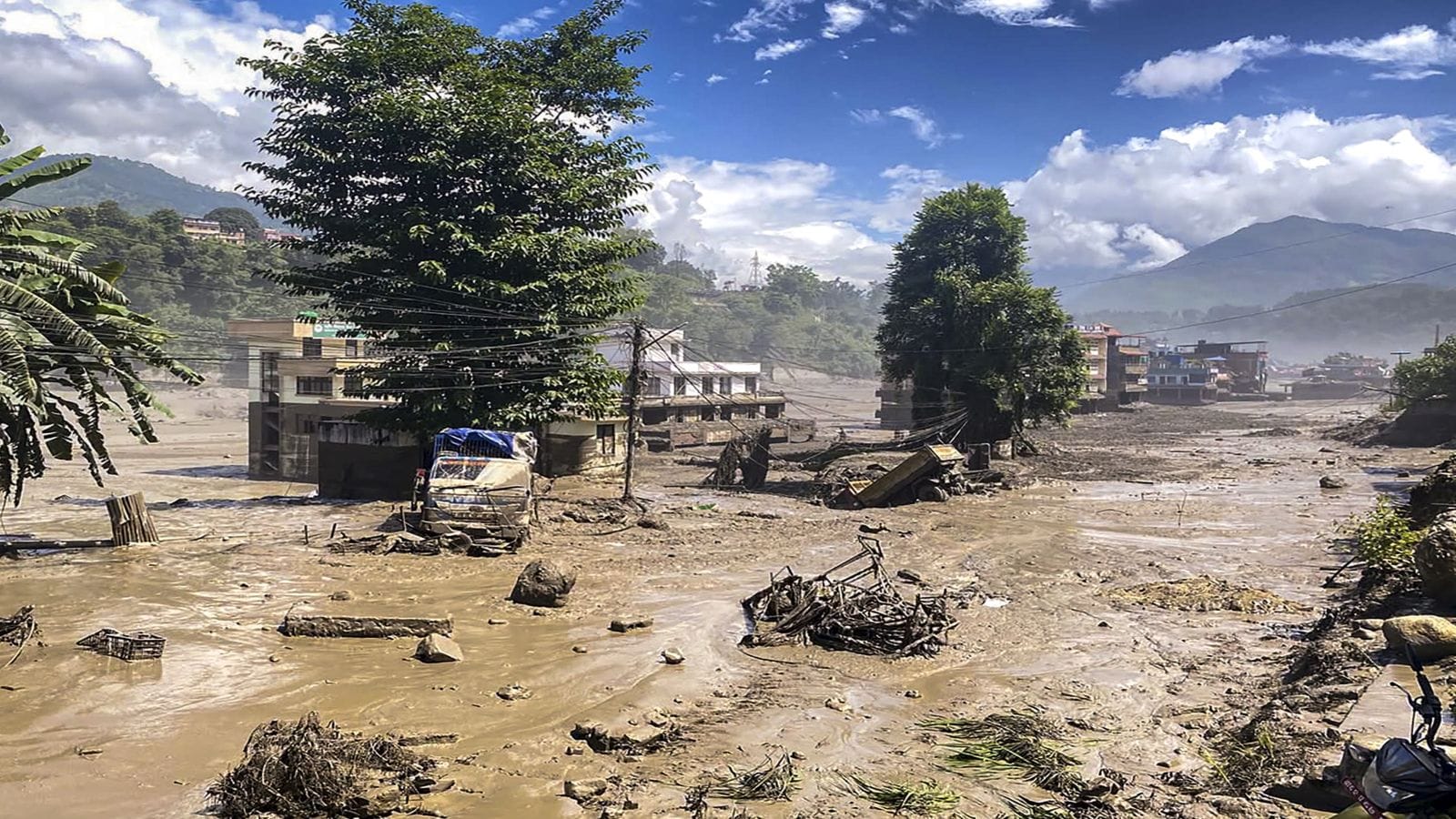
By the time the weather systems finally exhausted themselves and dragged their heavy clouds toward the plains, the numbers began to tally into something staggering. Five hundred and forty-three lives extinguished. Whole communities erased. Rescue helicopters slicing through the damp, post-storm air, searching for bright patches of color on grey silt where a roof used to be.
Statistics are an anesthetic. They dull the nervous system so we can process tragedy without breaking down. But numbers do not capture the specific texture of loss. They do not smell like damp wool, crushed slate, and the terrible, stagnant iron scent of floodwater that has swept through agricultural fields and village wells.
I remember standing near a swollen riverbank years ago during a lesser monsoon surge, watching an entire wooden porch float past like a discarded toy. The sheer casualness of it is what haunts you. Water does not hate you. It does not love you. It merely obeys gravity, indifferent to whether your grandmother’s weaving loom or your child’s schoolbooks are resting in its path.
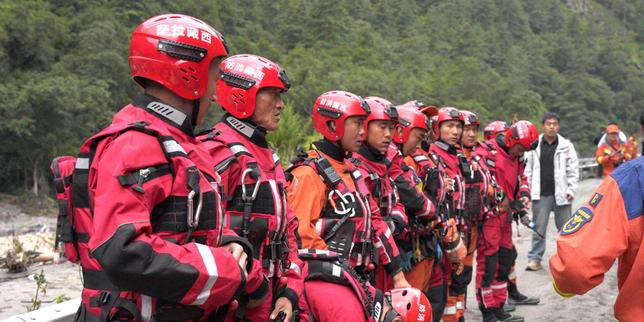
Down in the valleys, the rescue operations became a desperate race against physics and time. Landslides had sheared away mountain passes, turning narrow trade routes into vertical cliffs of loose shale. Emergency workers stepped carefully over ground that shuddered beneath their boots. Every step carried a silent question: Will the hillside hold?
Logistics in a disaster zone are a nightmare of fractions. How many liters of clean water can a chopper carry when fuel weight must be traded for survival gear? How do you treat a fracture when the nearest functioning field hospital is three mountain ranges away and socked in by fog?
The human capacity for endurance defies easy logic. In makeshift camps hastily pitched on higher ground, survivors shared thin blankets and boiled whatever dry rice could be salvaged from ruined stores. Old men stared mutely at the horizon where their ancestral pastures used to green the slope. Children chased each other between blue tarpaulins, treating the chaos with that miraculous, heartbreaking resilience unique to the very young.
Yet, beneath the immediate urgency of food drops and medical tents, a darker reality settled over the region. Infrastructure takes generations to weave together and only seconds to unravel. Roads carved into rock faces over decades simply vanished into the churning brown torrents below. Bridges that linked remote hamlets to regional markets now ended abruptly in mid-air, jagged rebar pointing out over empty space like broken bones.
Geologists and climate scientists talk about shifting weather patterns, about the intensification of seasonal monsoons fueled by warmer air holding more moisture. They use terms like anomalous precipitation and atmospheric loading. But translate those graphs into a kitchen where the floor has been replaced by three feet of silt, and the clinical language dissolves.
We are living through a realignment of the natural world. The ancient rhythms that farmers and herders learned by heart from their parents are breaking down. The monsoon arrives later, or earlier, or with ten times the fury it held a generation ago. The mountains, eternal as they look on postcards, are shedding their skins under the relentless assault of water.
When the rescue phase shifts into the long, unglamorous work of reconstruction, the headlines will fade. The television crews will pack their lenses and fly south. The world will move on to the next crisis, hungry for new tragedy.
But the people of those high valleys will remain. They will pick through the grey sludge with shovels and bare hands. They will rebuild their stone walls slightly further from the new course of the river, testing whether the earth has finally decided to rest.
The water has receded. The mud is drying into a hard, white crust under a merciless sun. And somewhere high up on the ridge, a pebble rolls loose, tumbling quietly down into the dark.