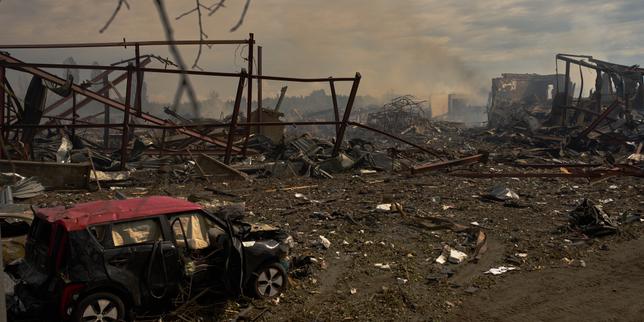
The mud smells like iron and rotting rice.
When the water finally stops rising, it does not leave in a hurry. It lingers, thick and gray, coating everything it touches in a film of absolute defeat. I stood on a ridge above what used to be a cluster of stone homes in the Sindhupalchowk district, watching a rescue helicopter punch a hole through the low-hanging monsoon clouds. The rotor wash flattened the tall elephant grass nearby, sending a brief, desperate spray of water droplets into the air.
Silence followed the engine noise. A heavy, suffocating silence.
We are told that nature is indifferent, but in the valleys of Nepal, the monsoon feels personal. Every year, the skies open, the mountains bleed, and the rivers swell into monsters fed by melting glaciers and relentless downpours. Yet, nothing quite prepares you for the sheer velocity of a flash flood. It is not a rising tide. It is a wall of dark earth, boulders, and snapped pine trees moving at the speed of a freight train.
By the time the frantic search for survivors enters its critical new phase, the mathematics of disaster have already turned cruel.
Consider what happens in the first seventy-two hours. That window belongs to adrenaline, to bare hands clawing at collapsed masonry, to villagers shouting names over the roar of churning water. Every second counts. Every shifted stone carries a prayer. But as the days stretch out, the nature of the mission shifts. The search parties—soldiers in olive fatigues, local volunteers with calloused palms, and foreign specialists with thermal imaging drones—are no longer racing against the clock. They are negotiating with a landscape that has completely rewritten its own geography.
Bridges are gone. Roads are swallowed by massive landslides that turn highways into vertical drop-offs. Entire communities are cut off, accessible only from the sky or by perilous foot treks along crumbling cliff edges.
I spoke with Ramesh, a local guide whose family home vanished beneath six feet of gray silt. He didn't cry. People rarely cry in the immediate aftermath; shock acts as a temporary anesthetic. Instead, he stared fixedly at a tree branch caught in the wires high above the mudline.
"The river didn't just take our house," Ramesh told me, his voice barely audible over the distant drone of the river. "It took the ground where our memories lived. How do you look for someone when the map itself has expired?"
That is the hidden agony of this critical phase. The authorities publish numbers—dozens confirmed dead, hundreds missing, thousands displaced. Those statistics are vital. They are the cold ledger of tragedy. But numbers are weightless. They fail to capture the grandmother searching for her brass cooking pot because it is the only physical link to her past. They fail to capture the school children whose notebooks are now pulp beneath the debris.
To understand why this phase is so critical, we have to look at the anatomy of rescue operations in high-altitude terrain.
Logistics in the Himalayas are a brutal puzzle. When a bridge collapses, heavy machinery cannot cross. This means every shovel, every liter of clean water, and every roll of plastic sheeting must be packed in by hand or dropped by air. Meanwhile, the clock ticks down on another invisible threat: disease. Stagnant water mixes with compromised sanitation systems. Cholera and dysentery wait in the wings, patient opportunists ready to claim what the flood left behind.
The government and international aid agencies are caught in an impossible squeeze. They must simultaneously scour the receding banks for the living, recover the dead with dignity, and keep surviving populations from freezing or falling ill as night temperatures plummet in the high valleys.
Rescue workers are exhausted. Their boots are rotting off their feet. Many of them are searching areas they used to walk through as children, recognizing a neighbor's doorstep only because a familiar peach tree somehow survived the onslaught.
This is where the human spirit reveals its stubborn, bruised resilience.
Down by the riverbank, away from the official command tents, a group of women gathered around a smoking kettle of black tea. They had lost everything material they owned. Yet, they were passing the warm metal cups to exhausted soldiers, murmuring quiet words of encouragement. No one gave orders. No one held a meeting. It was simply an instinct older than any state boundary or disaster protocol: when the world breaks, you hold the pieces together for whoever is standing next to you.
The search will continue until the last missing person is accounted for, or until the mountain makes further searching impossible. But even when the official operation scales down, the true reckoning will only just be beginning. Rebuilding a house is an engineering challenge. Rebuilding a life where the river used to flow requires a different kind of courage altogether.
The sun dips behind the jagged ridge, casting a deep, bruised purple shadow across the valley. Down in the gray expanse, a flashlight flickers. A single beam cutting through the gathering dark, refusing to quit.