The war next door isn't staying next door anymore. When ballistic threats and drone strikes hit King Khalid International Airport in Riyadh, killing three people and injuring dozens, the illusion of a contained regional conflict shattered completely. For years, the brutal civil war in Yemen was treated by much of the international community as a localized humanitarian tragedy. But recent escalations show that the battlefield has expanded directly into the heart of Saudi Arabia's economic and political hubs.
Understanding this shift requires looking past the official diplomatic posturing. The Houthi movement's decision to target civilian aviation infrastructure marks a calculated escalation designed to test regional air defenses and disrupt the kingdom's multi-billion-dollar economic modernization plans. When national carrier operations are disrupted and foreign nationals are among the casualties, the cost of inaction for Riyadh skyrockets.
Why Air Defense Isn't Enough
Military analysts often focus on interception rates, but interception isn't victory. Even when Saudi air defense systems successfully intercept incoming ballistic missiles or explosive drones, falling debris and secondary blasts create lethal hazards on the ground.
- Critical infrastructure sits within striking distance of modern tactical missile systems.
- Civilian transport hubs double as high-stakes political targets.
- Global carriers react instantly to security alerts, suspending flights and isolating the capital.
International airlines like British Airways, Lufthansa, and Qatar Airways don't pull out of a major capital over minor friction. They pull out when actuarial risk assessments flip overnight. That economic strangulation is precisely what the architects of these strikes are banking on.
The Broader Strategic Realignment
This isn't just about a single runway or a breached perimeter. The wider regional chessboard involves maritime choke points like the Bab el-Mandeb Strait and the Red Sea, where shipping disruptions directly feed global inflation and energy shocks. Tehran's backing of proxy networks gives them asymmetric leverage against both Gulf monarchies and Western interests without requiring a direct conventional war.
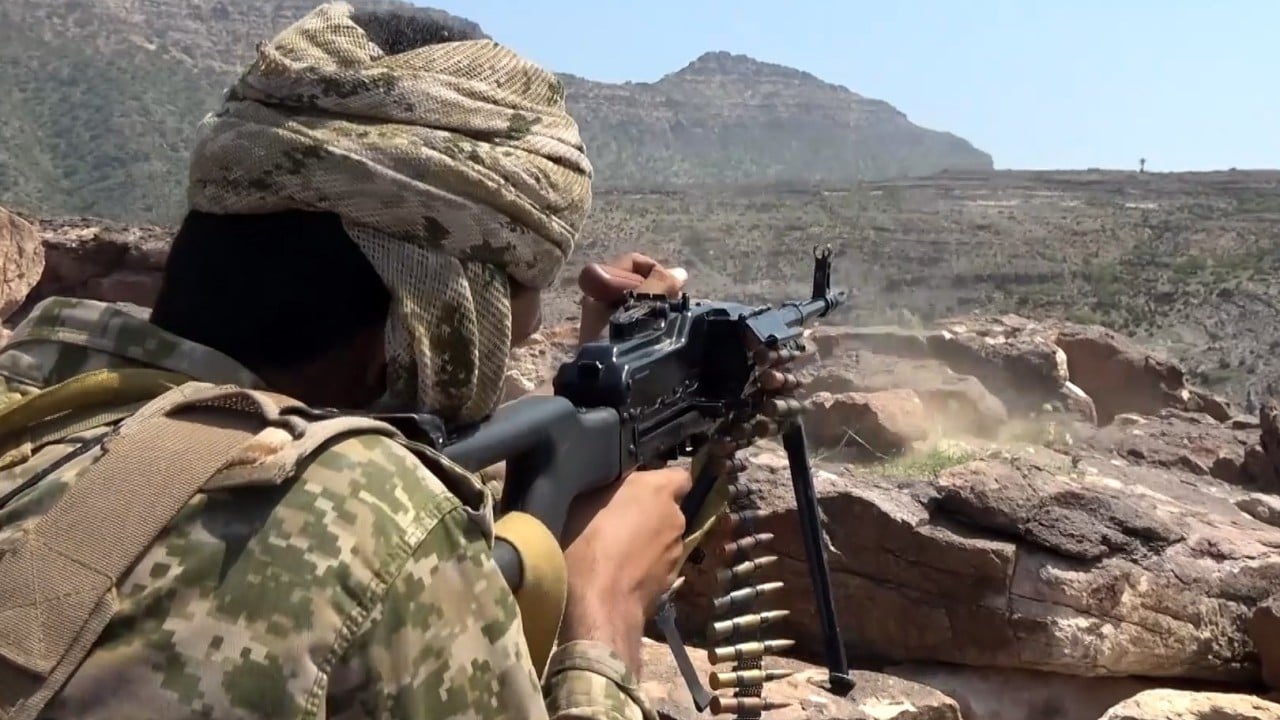
Meanwhile, ground offensives along front lines in governorates like Marib and Taiz continue to displace thousands of civilians, feeding a displacement crisis that the United Nations struggles to monitor. The gap between military claims and verified humanitarian tolls highlights the fog obscuring the current phase of the war. When state militaries report hundreds of daily tactical operations, the civilian toll compounds silently in the background.
What Comes Next for Regional Security
Riyadh faces a punishing strategic dilemma. A passive defense posture invites persistent harassment that degrades foreign investment and tourism, while a heavy-handed military campaign risks reigniting full-scale regional warfare that the kingdom has spent years trying to exit.
Expect intelligence sharing, tighter perimeter security around critical transport nodes, and targeted counter-strikes to dominate the immediate future. The old playbook of managing the Yemen conflict from a safe diplomatic distance is officially dead. The war has found its way to the terminal gates, and the ripple effects will dictate Middle Eastern security policy for years to come.