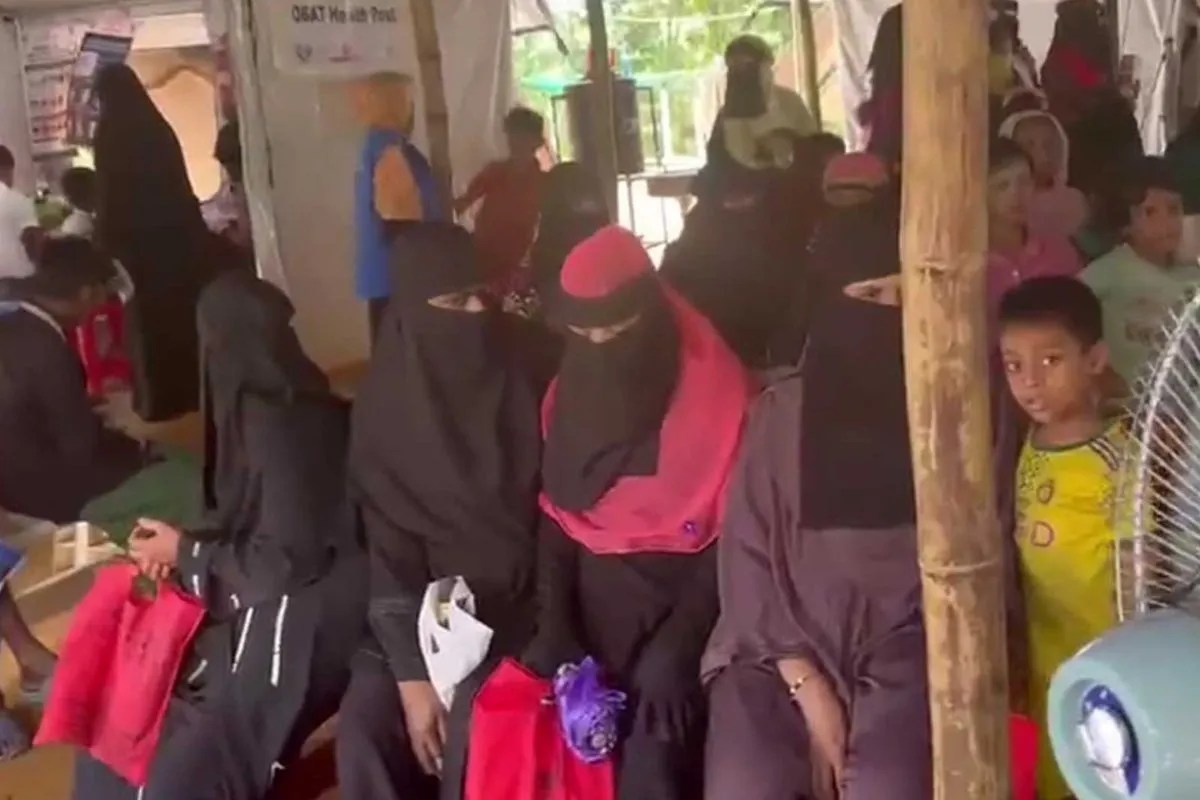
Nearly a million people live packed into plastic and bamboo shelters in Cox's Bazar, waiting for a future that refuses to arrive. If you think the Rohingya refugee crisis is just another forgotten humanitarian headline, you're missing the terrifying reality unfolding on the ground. International funding is drying up fast, and the consequences for the camps in Bangladesh are brutal.
Global donors are looking away. Attention has shifted toward newer conflicts, leaving the world's largest refugee settlement to fend for itself. When financial support drops, daily survival becomes a gamble. Rations shrink, medical clinics close their doors, and children miss out on basic education.
The Reality of Sinking Budgets
Let's look at the numbers because they don't lie. Humanitarian agencies operating in Bangladesh face massive funding gaps every single year. When major international donors slash their overseas aid budgets, the impact hits the camps instantly.
Food rations have faced severe cuts, pushing thousands of families toward acute malnutrition. Clinics struggle to find basic medicines. I've spoken with aid workers who describe a desperate triage system where doctors must choose which patients get critical care and which ones get turned away.
- Food assistance programs operate on razor-thin margins, reducing monthly allowances for families.
- Healthcare facilities face acute shortages of antibiotics, clean water supplies, and maternal care essentials.
- Education centers struggle to stay open, leaving hundreds of thousands of children without structured learning.
Myanmar shows no stable sign of taking them back anytime soon. Repatriation talks stall repeatedly because the security situation in Rakhine State remains entirely unsafe. Meanwhile, the Bangladeshi government feels the mounting domestic pressure. Hosting over a million displaced people places a heavy economic and environmental strain on local communities. Forests have been cleared, local resources are stretched thin, and local wages have dropped due to informal labor competition.
Beyond the Camps
The crisis isn't contained inside the fenced perimeters of Cox's Bazar. When people are trapped with zero legal right to work and dwindling food supplies, desperation takes over. Many refugees risk everything on dangerous boat journeys across the sea, falling prey to human traffickers. Others turn to illicit underground economies just to feed their children.
Security inside the camps has deteriorated as idle youth watch their entire decade vanish behind bamboo fences. Without skills training or economic independence, frustration boils into internal conflicts and criminal syndicates taking control of the blocks.
Bangladesh cannot shoulder this burden alone forever. International bodies keep issuing warnings, but warnings don't buy rice or fund medicine. Donors need to step up before the situation spirals completely out of control, threatening the stability of the entire region.
If you want to understand where global empathy goes to die, look at the dwindling ledger books of the UNHCR and World Food Programme. The math is simple. Less money means more suffering. And right now, the ledger is running dangerously empty. Support local grassroots humanitarian initiatives, push your representatives to maintain foreign aid commitments, and stop looking away from a tragedy that demands an actual solution.