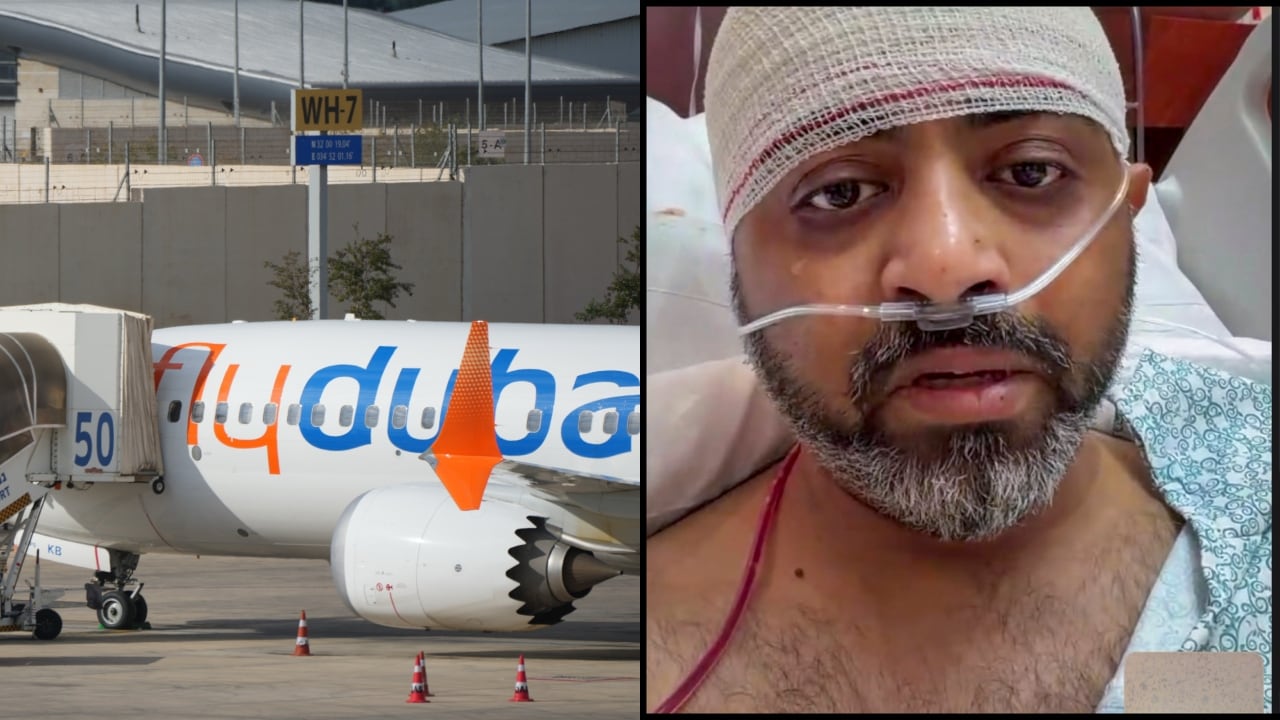
Air travel feels routine until it doesn't. You board a plane, plug in your headphones, and wait for takeoff. You assume the airspace is calm and managed. Most of the time, it is. But every so often, complex geopolitical tensions boil over into commercial skies. A routine flydubai flight nearly found itself caught directly in the crosshairs of a rapidly escalating military response, bringing the realities of regional conflict terrifyingly close to civilian aviation.
If you track commercial aviation incidents, you know how quickly airspace decisions are made. Pilots and air traffic controllers operate under immense pressure. When regional threats spike, military defense systems go on high alert within seconds. That split-second readiness changes the safety calculus for every passenger jet in the vicinity.
The Reality of Commercial Flight Paths in Volatile Regions
Airlines route planes through some of the busiest and most complex corridors in the world. The Middle East serves as a primary global aviation hub. Millions of passengers transit these routes every single year. But flying through these regions means navigating tight air traffic lanes situated near active conflict zones.
Airsspace closures usually happen after an incident occurs. That lag time creates danger. Military forces defending their borders don't wait for commercial dispatchers to clear the area if an incoming threat is detected. They react to radar signatures.
- Radar operators look for fast-moving anomalies.
- Transponders can fail or be spoofed.
- Misidentification happens in high-stress defense scenarios.
When a commercial flight enters an area where air defense batteries are powered up, the margin for error shrinks to zero.
How Air Defense Systems Evaluate Targets
Air defense crews follow strict protocols. When an unidentified or suspicious aircraft pops up on radar screens during a high-alert window, the automated systems and human operators evaluate the track immediately. Speed, altitude, and heading dictate the response.
Commercial airliners emit transponder signals identifying them as civilian flights. Yet, military commanders know that hostile forces can attempt spoofing techniques. If communication breaks down or air traffic control fails to hand off proper tracking data, panic spreads fast.
During the near-miss involving the flydubai jet, military units were tracking potential incoming projectiles. The speed at which decisions must be made leaves no room for hesitation. Ground batteries can move from standby to active lock-on in mere seconds.
The Scars of Past Tragedies
Aviation history carries grim reminders of what happens when military forces misidentify passenger planes. Incidents like the downing of Iran Air Flight 655 or Malaysia Airlines Flight 17 cast long shadows over modern flight routing. These disasters forced international aviation bodies to rethink how airlines share airspace data with military intelligence.
Despite those hard lessons, commercial jets still fly near active zones because rerouting adds thousands of miles and massive fuel costs to every journey. Airlines constantly balance economic viability against passenger safety. When a crisis flares up unexpectedly, pilots find themselves on the front lines of political disputes they have no control over.
What Travelers Should Know About Airspace Safety
You cannot control the flight path your airline chooses, but you can stay informed about how global tensions impact travel. Major international carriers monitor threat levels in real time. Aviation regulators like the FAA and EASA issue strict notices to air missions when danger spikes.
If you are booking a trip that cuts through volatile airspace, pay attention to route adjustments. Airlines often change paths quietly when threats emerge. Trust the dispatchers and pilots who make the final call to divert or delay flights. Their caution keeps you safe when geopolitical flashpoints threaten the skies.