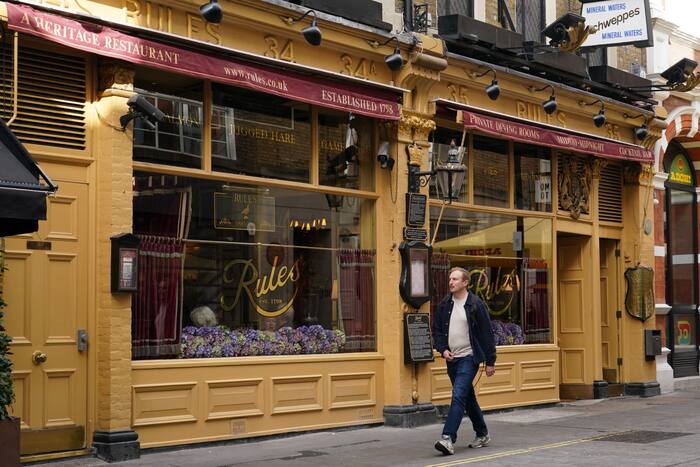
London's oldest restaurant just handed its historic building over to a conservation charity, and honestly, it changes how we think about old places surviving modern city pressures.
Rules in Covent Garden has served diners since 1798. Think about that for a second. While empires shifted, tube lines expanded, and trendy restaurant groups opened and folded every six months, this dining room stayed put. Handing the property keys to a conservation charity isn't some quiet real estate shuffle. It's a deliberate move to lock centuries of architectural memory and culinary continuity out of the speculative churn that eats up so much of central London.
When I first heard the news, my gut reaction was relief. Followed immediately by a nagging question. What does a charitable handover actually fix, and what does it leave untouched?
What This Conservation Handover Actually Means for Rules
Most people hear "conservation charity" and picture a dusty museum with velvet ropes and stiff docents. That's not what keeps a working dining room alive.
A real conservation handover separates building stewardship from day-to-day hospitality operations. When an independent owner holds both the freehold and the restaurant business, every repair bill, roof leak, and rising commercial rate hits one pocket. Over decades, even fiercely loyal proprietors can feel squeezed into selling to a developer or cutting corners on maintenance just to stay afloat.
Putting the building under conservation stewardship changes the incentive structure. Instead of maximizing short-term property value or flipping the asset down the road, the charity focuses on long-term preservation of the fabric itself. Timber beams, plasterwork, staircases, facades, and layout quirks get protected with real institutional care rather than patchwork fixes.
At the same time, a restaurant isn't a glass case. If Rules stops feeling like a living dining room where people eat game pie, drink claret, and argue over theater reviews, it loses half its soul. The magic of Rules has always been that you sit inside history without feeling like you're being lectured by it.
Why London's Oldest Restaurant Has Survived This Long
Plenty of places claim heritage in London. Very few have the receipts.
Founded in 1798 by Thomas Rule, the restaurant grew up right beside Covent Garden's theaterland and market hustle. Over more than two centuries, it watched shifts in British taste, class structure, and neighborhood character unfold table by table. Actors, writers, politicians, and everyday regulars have passed through those doors across generations.
What kept it standing wasn't luck alone. Three practical habits show up again and again in places with this kind of staying power:
- Consistency of identity: Rules never tried to chase every passing food fad. Game dishes, traditional British cooking, and a distinct theatrical room personality stayed central.
- Strong stewardship across ownership changes: Long-running British institutions survive when incoming owners treat themselves as temporary caretakers rather than asset strippers.
- Neighborhood anchor status: Being woven into Covent Garden's daily rhythm gave it repeat gravity that went way beyond one-off tourists.
Still, survival in central London is never automatic. Rising labor costs, shifting dining habits, supply chain volatility, and complex building upkeep test every hospitality operator, old or new. A property gift protects the bricks and mortar. It doesn't cook the food or fill every table on a rainy Tuesday in February.
The Hidden Tension Between Heritage and Modern City Life
Let's be real about the trade-offs here. Historic buildings in dense cities are expensive, quirky, and sometimes stubbornly inconvenient.
Old wiring, uneven floors, tight kitchens, and strict conservation rules can make even basic upgrades a headache. Add accessibility expectations, fire safety standards, and modern kitchen ventilation needs, and preserving a centuries-old structure turns into a constant balancing act. You can't gut a historic building to run like a sterile corporate chain without destroying why people love it. Yet you can't ignore modern safety and operational realities either.
There's also a broader question for London's streetscape. When iconic properties move into charitable or protected hands, that's a win for architectural continuity. On the flip side, it doesn't solve the wider affordability crunch squeezing independent cafes, pubs, bookshops, and small restaurants across the city. One landmark saved is wonderful. A whole ecosystem of independent shops still needs fair rents, sensible business rates, and breathing room to thrive.
Some critics might argue that charities shouldn't get tangled up in commercial hospitality properties at all. Fair point. If governance gets messy or lines blur between charitable mission and commercial business, friction can follow. Yet when stewardship is handled transparently, keeping a historic building intact and purposeful beats watching another piece of character vanish behind generic glass.
What This Signals for Historic Places Beyond London
You don't have to care about Covent Garden to see why this matters elsewhere. Cities everywhere are fighting the same quiet battle over memory.
Walk down almost any major high street or historic district in Europe or North America and you'll spot the pattern. Individual owners retire, heirs don't want the hassle, commercial rents spike, and unique spaces get flattened into lookalike concepts. Once a 200-year-old room disappears, you can't rebuild its lived-in patina with reclaimed wood and faux-vintage lighting.
Conservation partnerships, trusts, and mission-driven property models are becoming essential tools for cities that want actual character rather than theme-park nostalgia. They buy time. They give heritage buildings an anchor that isn't at the mercy of a single family's estate plan or a single market cycle.
How to Experience and Support Places Like Rules Thoughtfully
If you care about historic restaurants, independent hospitality, and keeping old neighborhoods alive, you don't need a multi-million-pound endowment to make a difference.
- Book ahead and eat there properly: Historic dining rooms stay vibrant when people actually use them. Go for a real meal, respect the pace of the room, and tip fairly.
- Notice the building details: Look past your plate. Check the joinery, sightlines, stairways, and room proportions—those physical clues tell you how people lived and gathered two centuries ago.
- Support local preservation and independent businesses: Back civic trusts, architectural heritage groups, and independent local spots in your own city before they hit crisis mode.
- Read local history with a critical eye: Dig into actual archives, local histories, and primary records rather than relying on recycled myths or viral snippets.
London's oldest restaurant moving into charitable building stewardship won't solve every challenge facing old cities or independent hospitality. It does, however, give a remarkable piece of living history a sturdier foundation for whatever comes next.