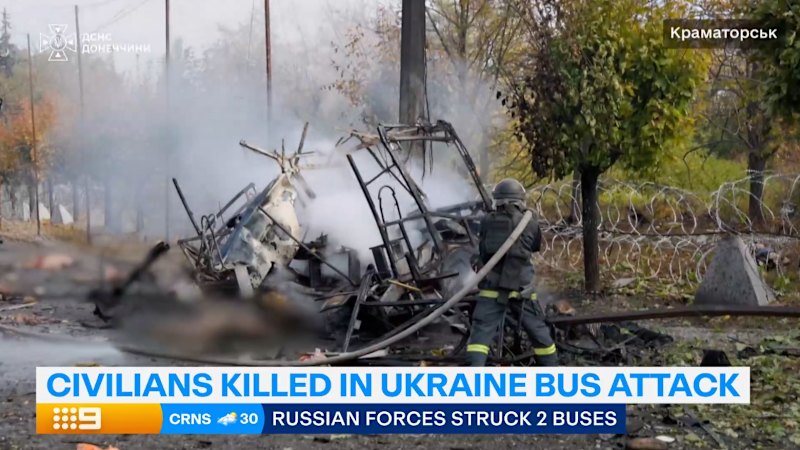
When a barrage of long-range missiles and drone swarms slams into residential blocks and power stations, the physical devastation is immediate. But the long-term goal of these coordinated campaigns goes far beyond shattered concrete. As the conflict grinds deep into another brutal winter, recent United Nations data highlights a grim reality: civilian casualties in Ukraine have surged dramatically, driven largely by relentless aerial bombardments.
If you're trying to make sense of why the conflict's strategic focus has shifted so aggressively toward population centers and infrastructure, you have to look at the math of modern attrition. Moscow isn't just trying to push back front lines; they're trying to freeze and starve out the civilian will to resist.
The Strategy Behind the Infrastructure Strikes
You can't separate the timing of these aerial attacks from the changing weather. When temperatures drop, electricity and heating transform from everyday utilities into survival metrics.
Recent monitoring by the UN Human Rights Monitoring Mission in Ukraine (HRMMU) points to a severe escalation. Russian forces have heavily targeted power plants, substations, and gas pipelines across multiple regions, forcing rolling blackouts in major cities like Kyiv. Cities like Zaporizhzhia and Odesa bear the brunt of these midnight explosions, where emergency services scramble to pull children and families from burning rubble while water and heat supplies fail.
This is a calculated pressure tactic. By destroying transformers and generation facilities before deep winter sets in, the objective is straightforward:
- Force massive internal displacement as cities become uninhabitable.
- Overwhelm municipal emergency services with simultaneous crises.
- Drain national economic resources into constant reconstruction instead of military defense.
Understanding the Human Toll
The numbers coming out of international monitors are staggering, yet they often fail to capture the day-to-day terror of air raid sirens that sound for hours on end. According to recent UN reports, civilian casualties in the first ten months of the year far outpaced equivalent periods in previous years, marking a sharp, bloody upward trajectory since the full-scale invasion began.
Long-range drones and cruise missiles remain the primary culprits behind these deaths. Unlike frontline artillery where combatants exchange fire, these munitions often land directly in urban residential areas, striking apartment complexes, schools acting as humanitarian hubs, and local markets.
People ask why air defense systems don't catch everything. The reality of saturation attacks—where dozens of low-cost loitering munitions are paired with hypersonic or ballistic missiles—means that even sophisticated air defense shields get overwhelmed. When debris from intercepted drones falls onto a residential street, it still shatters windows, starts vehicle fires, and takes lives.
What This Means for the Path Ahead
The war has entered a phase where civilian resilience is actively tested on a daily basis. Ukraine's air defense units work around the clock, and international partners continue rushing generators, transformers, and spare parts to patch the grid as fast as it gets broken. Yet, the physical and psychological toll on the population is mounting.
You're looking at a conflict where the front line is no longer just a trench in the east; it's every kitchen table lit by a flashlight, every hospital operating on backup generators, and every community bracing for the next wave of sirens in the dark.