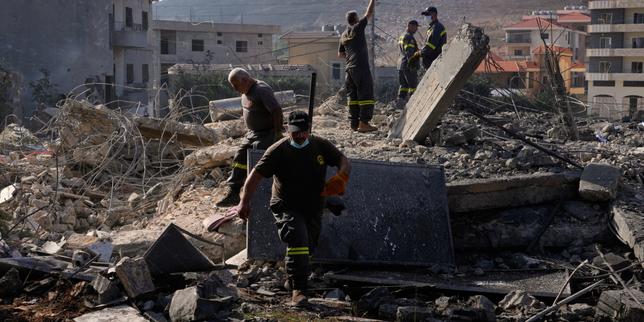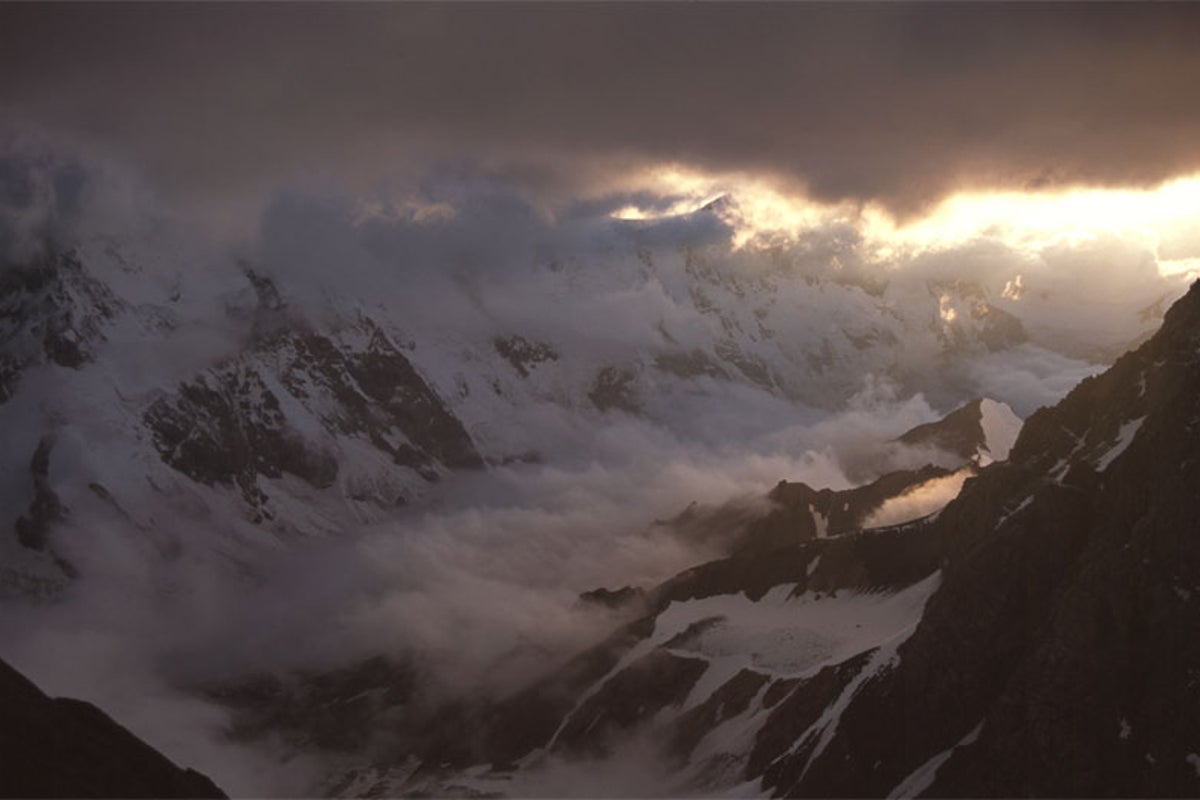
Tragedy strikes in the high-altitude wilderness far too often. Eleven people are dead and six remain missing after a massive avalanche tore through a Russian mountain region, leaving rescue teams scrambling against brutal conditions to find survivors. Accidents like this one expose the brutal reality of alpine climbing. Mountain terrain refuses to care about your experience level, your schedule, or your optimism. When snow packs fail, physics takes over instantly.
We need to talk about why these disasters keep happening in remote ranges and what they tell us about modern risk management in extreme environments.
The Anatomy of a Mountain Trap
You can't negotiate with a slab avalanche. When thousands of tons of frozen debris break loose and barrel down a slope at highway speeds, survival comes down to pure geography and fractions of a second. The recent disaster in Russia highlights a terrifying constant of mountaineering. Remote ranges lack the sophisticated, real-time mitigation infrastructure found in heavily commercialized ski resorts in the Alps or North America.
Climbers heading into these isolated areas face extreme variables. Weather shifts in minutes. Communication lines fail. Rescue helicopters sit grounded behind walls of blinding wind and low visibility.
Most people assume seasoned climbers simply make reckless choices. That misses the point entirely. The truth is much more uncomfortable. Even meticulous planning, top-tier gear, and years of technical expertise can't completely erase the threat of an unstable snowpack. You might check every forecast, dig your snow pits, and analyze the temperature gradients. But a single hidden weak layer buried deep beneath the surface can trigger a catastrophic release without warning.
Understanding the Human Factor in High-Risk Zones
Risk assessment in extreme sports is fundamentally broken. When you invest months of training, thousands of dollars, and relentless emotional energy into an expedition, your brain desperately wants to go ahead. Cognitive biases kick in hard. You rationalize away warning signs.
- The Summit Fever Trap: Pushing past clear environmental red flags because you're too close to the goal.
- Group Consensus Failure: Assuming that because someone else looks confident, the route must be safe.
- Data Blindness: Relying on outdated regional avalanche bulletins that bear no resemblance to the specific micro-climate of your chosen gully.
Safety protocols look great on paper. In practice, fatigue blunts your decision-making abilities. By the time you spot the hollow-sounding wind slab or the shooting cracks in the snow beneath your skis, your margin for error has evaporated.
Preparing for the Unforgiving Reality of Remote Peaks
If you plan to tackle serious alpine terrain, you have to adopt a zero-trust mindset toward the environment. Stop treating safety gear like a magic insurance policy. An avalanche beacon, a probe, and a shovel don't keep you alive; they just buy your partners a narrow window to dig out your corpse if things go wrong. Survival rates drop off a cliff after the first fifteen minutes of burial.
Check your ego at the trailhead. Turn around the second your instincts scream at you, regardless of what your partners say or how much money you spent on the trip. Respect the remote peaks because they don't care about your plans.