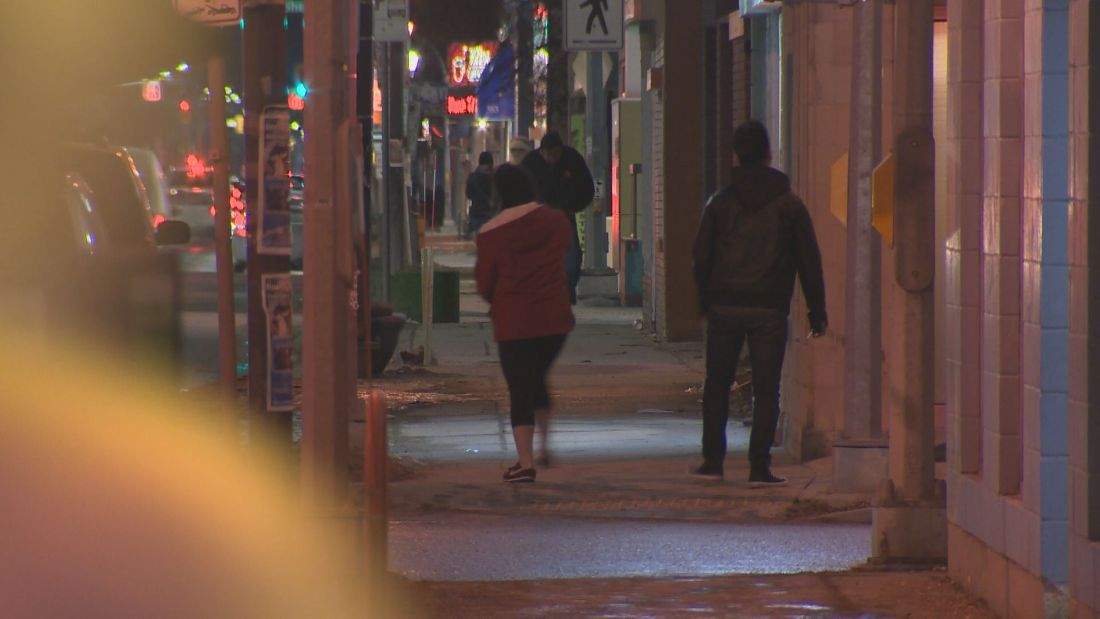
Public perception surveys consistently paint a stark, unyielding picture of urban safety across Canada. A recent public-safety perception study conducted by Liaison Strategies places Winnipeg at the absolute bottom of a fifteen-city national comparison, with fifty-nine percent of respondents viewing it as unsafe against only thirty-one percent calling it safe. Ottawa comfortably anchors the opposite end of the spectrum, viewed by the national public as the safest urban center in the country.
These numbers tell a neat story. They also conceal a deep disconnect between how Canadians feel about their streets and what municipal crime data actually records. Expanding on this theme, you can also read: Inside the Pentagon Hormone Testing Collapse That Nobody Saw Coming.
National polling on urban safety relies almost entirely on ambient anxiety rather than first-hand experience or localized empirical data. When a resident of Halifax or Victoria evaluates the safety of Winnipeg or Toronto, they are rarely consulting regional police incident reports. They are reacting to national media broadcasts, viral video clips, and historical reputations that stick to municipal borders long after economic and social conditions have shifted.
This creates a self-reinforcing feedback loop. High-profile incidents generate intense media attention. That attention shapes national consciousness. When pollsters call households across the country, respondents echo the headlines they consume, cementing a city's status as a perennial danger zone regardless of actual ground-level fluctuations in public safety. Experts at TIME have also weighed in on this trend.
Consider the mechanics of the data. In the recent Liaison Strategies study, Winnipeg registered a net safety score of minus twenty-eight, trailing far behind other major urban centers. Toronto followed closely behind at minus eighteen. Yet, these aggregate public opinion metrics flatten profound urban complexities into a single binary. A city is reduced to a score, stripping away neighborhood-level variations, targeted social vulnerabilities, and the active municipal interventions attempting to address them.
Public perception is heavily weighted by visible disorder rather than statistical risk. Open drug use, homelessness, and property crimes create an immediate sensory impression of lawlessness. A citizen walking through downtown Winnipeg or downtown Toronto encounters social distress directly. That encounter leaves a lasting mark on their perception of the entire municipality. Conversely, a city like Ottawa keeps its administrative core sanitized, projecting institutional order and systemic calm that reassures both residents and outsiders, even as hidden social crises persist away from the parliamentary precinct.
This dynamic explains why official crime severity indices often clash with public opinion polls. While Winnipeg certainly faces legitimate challenges regarding violent crime rates and property offenses, other urban centers with high statistical crime burdens manage to maintain cleaner public reputations through sheer economic scale or geographic distribution of poverty.
The consequences of these entrenched perceptions extend far beyond media commentary. Economic investment follows reputation. Tourism boards fight uphill battles against national narratives. Municipal leaders find themselves spending valuable political capital trying to counter public relations disasters rather than addressing the root socio-economic drivers of crime. When a city is branded nationally as the least safe place in the country, recruitment for healthcare, education, and civil service positions becomes significantly harder. Professionals think twice before moving their families to a location stamped with a negative national consensus.
Changing these trajectories requires looking past the surface of seasonal opinion polling. Until civic leaders and national commentators interrogate the sources of public fear, Canada's urban safety rankings will continue to measure media exposure rather than municipal reality.
The numbers are clear, but the story they tell is incomplete. Public anxiety remains a powerful political force, shaping how Canadians view their neighbors across provincial lines while leaving the structural realities of urban safety largely unaddressed.