Indian American voters used to be an afterthought in Washington. Not anymore.
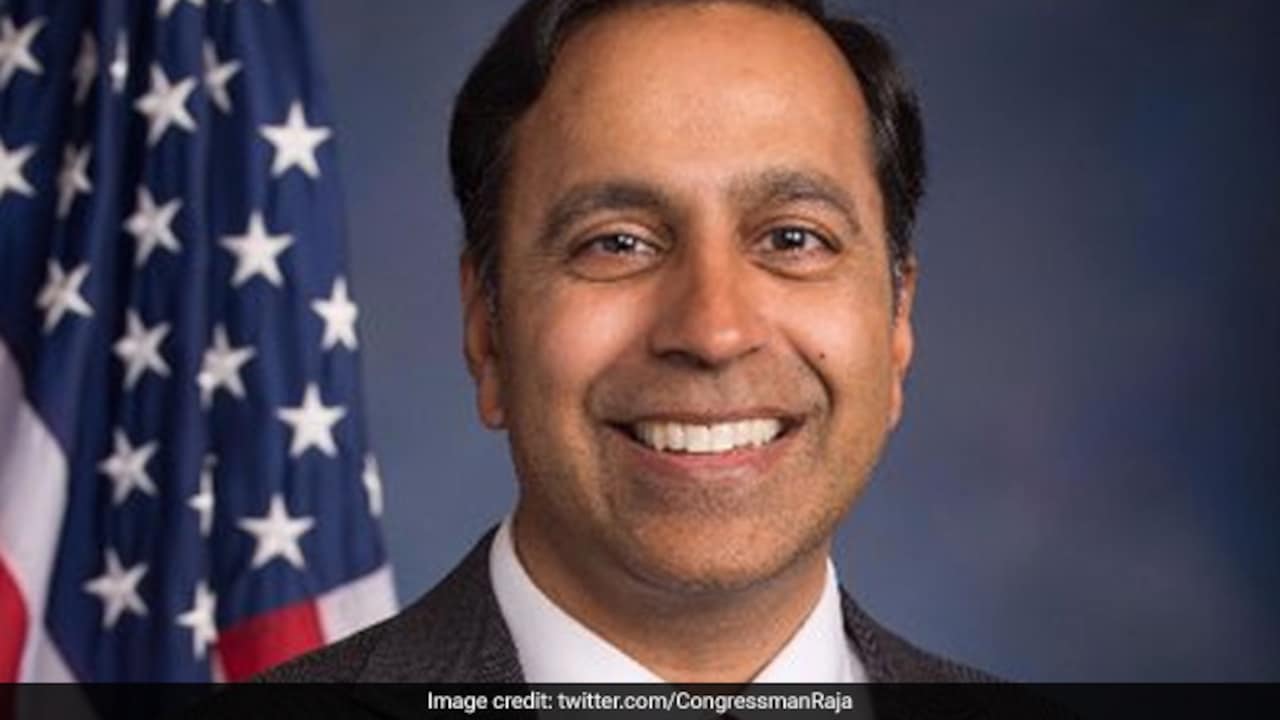
When US Congressman Raja Krishnamoorthi says the "Samosa Caucus is strong," he isn't just tossing out a catchy soundbite for cable news. He's pointing to a structural shift in American politics that both parties are scrambling to figure out. Over the past decade, a small group of South Asian lawmakers went from a novelty to a legitimate voting bloc with real legislative teeth.
If you've followed midterm cycles lately, you know how razor-thin the margins have become in the House of Representatives. Five seats can flip the gavel. Ten seats can stall a presidential agenda for two full years. In that kind of environment, an organized, well-funded, and rapidly growing coalition of lawmakers—and the diaspora communities backing them—carries serious weight.
Where the Samosa Caucus Actually Came From
Raja Krishnamoorthi coined the term "Samosa Caucus" around 2018. It started as a lighthearted nod to the growing number of Indian American members serving in Congress. Humor works in politics, especially when you're trying to make a serious point about representation without sounding like you're reading off a press release.
Back then, the group was tiny. You had Ami Bera from California, who was the lone Indian American in the House for years after his 2012 election. Then came the 2016 wave, which brought in Krishnamoorthi (Illinois), Pramila Jayapal (Washington), and Ro Khanna (California), alongside Kamala Harris in the Senate. Later, Shri Thanedar (Michigan) and Suhas Subramanyam (Virginia) added to the ranks.
People outside DC often assume this is an official congressional caucus with bylaws, a budget, and formal committee assignments. It isn't. It's an informal brotherhood and sisterhood of lawmakers who share cultural roots, overlapping donor networks, and a shared interest in US-India relations, immigration reform, and small-business policy.
Honestly, its informality is part of why it works. Formal caucuses get bogged down in procedural red tape. An informal group can coordinate messaging, co-sponsor bills, and rally diaspora donors in a single afternoon.
What Raja Krishnamoorthi Means When He Says It's Strong
Let's be clear about what political "strength" actually looks like on Capitol Hill. It isn't just about headcount. It's about three specific things—committee power, fundraising muscle, and swing-district relevance.
Krishnamoorthi himself sits in prime real estate. Representing Illinois's 8th congressional district in the Chicago suburbs, he has built a reputation as a relentless fundraiser and a sharp questioner on high-profile committees, including the House Oversight Committee and the Select Committee on the Strategic Competition Between the United States and the Chinese Communist Party. When a member of this group speaks on tech policy, supply chains, or trade with New Delhi, leadership listens.
Look at the rest of the roster:
- Ro Khanna represents Silicon Valley and wields massive influence over tech regulation and progressive foreign policy debates.
- Pramila Jayapal chaired the Congressional Progressive Caucus for years, giving her direct leverage over House Democratic leadership.
- Ami Bera is a senior voice on the House Foreign Affairs Committee, shaping American strategy across the Indo-Pacific.
- Suhas Subramanyam flipped and held key suburban territory in Northern Virginia, proving South Asian candidates can win tough, competitive turf.
When Krishnamoorthi talks about the caucus holding strong through midterm battles, he's looking at incumbency advantage mixed with deep community infrastructure. None of these members are accidental politicians. They've built durable local machines.
The Midterm Math Behind Indian American Voters
You can't separate the Samosa Caucus from the voters who put them there. According to data from the Carnegie Endowment for International Peace and AAPI Data, the Indian American population in the United States has surged past 4.5 million. More importantly, they have high naturalization rates and turn out to vote at levels that make campaign managers drool.
Here's where most political pundits get tripped up. They treat Asian Americans—and Indian Americans specifically—as a monolith that automatically votes blue. That assumption is lazy, and it's getting riskier every cycle.
Yes, Indian Americans have historically leaned Democratic, largely due to stances on immigration, healthcare, and civil rights. The 2020 and 2024 Indian American Attitudes Surveys conducted by Carnegie showed clear Democratic majorities, yet they also revealed noticeable cracks. Economic conservatism is real in this community. Many Indian Americans are small-business owners, physicians, engineers, and corporate executives who care deeply about tax rates, deregulation, and merit-based education policies.
During midterm elections, turnout drops across the board compared to presidential years. That drop-off makes high-propensity voting blocs disproportionately powerful. In swing states like Pennsylvania, Georgia, Michigan, and North Carolina—and in battleground House districts in New Jersey, Texas, and California—a few thousand Indian American voters shifting by ten percentage points can decide who wins.
Krishnamoorthi understands this dynamic better than almost anyone. He campaigns hard in the Chicago suburbs not by taking diaspora support for granted, but by showing up at temple events, Diwali celebrations, and local chamber of commerce meetings year-round.
Why US-India Relations Keep Landing on the Midterm Radar
Foreign policy rarely decides a local congressional race, except when it does. For the Samosa Caucus, US-India ties sit right at the intersection of domestic politics and global strategy.
Washington views New Delhi as an indispensable counterweight to Beijing in the Indo-Pacific. That bipartisan consensus has elevated the profile of every Indian American member of Congress. Whether it's semiconductor manufacturing partnerships, defense technology transfers, or H-1B visa processing backlogs, these lawmakers act as translators between American institutions and Indian stakeholders.
Still, it isn't always smooth sailing. Differences over human rights, press freedom in India, and trade tariffs occasionally create friction inside the caucus itself. Pramila Jayapal and Ro Khanna have been far more vocal in criticizing policies of the Indian government than some of their more moderate colleagues. Meanwhile, Krishnamoorthi and Bera tend to emphasize strategic cooperation and economic ties.
That internal disagreement actually proves the group has matured. Early on, minority coalitions often feel pressured to speak with one single voice so they don't look divided. Now, the Samosa Caucus is established enough that its members can publicly disagree on foreign policy nuances without threatening their collective standing in Congress.
The Republican Counter-Push You Shouldn't Ignore
If you think Democrats have a permanent lock on South Asian representation, you haven't been paying attention to GOP recruitment.
Republicans have actively courted Indian American voters and candidates over the past several cycles. Figures like Nikki Haley, Vivek Ramaswamy, and Kash Patel have reshaped how conservative Indian Americans engage with national politics. Down-ballot, Republican state legislators and congressional hopefuls in Texas, New Jersey, and Ohio are campaigning aggressively on tax cuts, parental rights in schools, and tough-on-crime messaging.
For the Samosa Caucus—which is currently all-Democratic—this creates an interesting tension. On one hand, Raja Krishnamoorthi celebrates the rise of Indian Americans in public service across the board. On the other hand, midterms are a zero-sum game for control of Congress. Every Republican who peels off 25% or 30% of the South Asian vote in a suburban swing district makes life harder for Democratic incumbents.
This competition is healthy for the community. When both parties have to fight for your vote, neither party can ignore your policy priorities once the ballots are counted.
Common Misconceptions About the Samosa Caucus
Political coverage around ethnic coalitions usually falls into a few predictable traps. Let's clear up what people routinely misunderstand:
- It's not a single-issue lobby. Critics sometimes insinuate that Indian American lawmakers only care about India. In reality, Krishnamoorthi spends the vast majority of his legislative energy on domestic issues—lowering prescription drug costs, expanding career and technical education, regulating youth vaping, and protecting Social Security.
- The name isn't meant to be divisive. Some commentators gripe that calling it the "Samosa Caucus" reduces serious lawmakers to a food stereotype. Krishnamoorthi has addressed this directly—he picked a word everyone recognizes to spark curiosity and make Congress feel more accessible to everyday families.
- Seniority is starting to kick in. In Congress, time served equals power. Ami Bera has been in the House since 2013. Krishnamoorthi, Khanna, and Jayapal have been there since 2017. They aren't freshmen anymore; they're ranking members and subcommittee leaders who control legislative calendars.
How to Track This Shift Yourself Before the Next Vote
If you want to see how much real influence the Samosa Caucus and South Asian voters carry in upcoming elections, don't just rely on national pundits. Watch the primary sources.
Check the Federal Election Commission (FEC) filings for competitive House districts in states like California, New Jersey, Virginia, and Illinois. Look at where diaspora donors are sending their money—and notice how non-Indian candidates in swing districts are suddenly hiring South Asian outreach directors and attending community fundraisers.
Pay attention to committee assignments at the start of each new Congress, too. When Indian American lawmakers land seats on Appropriations, Ways and Means, Energy and Commerce, or Foreign Affairs, that's the real proof of political clout. Speeches get headlines, but gavel power writes the laws.