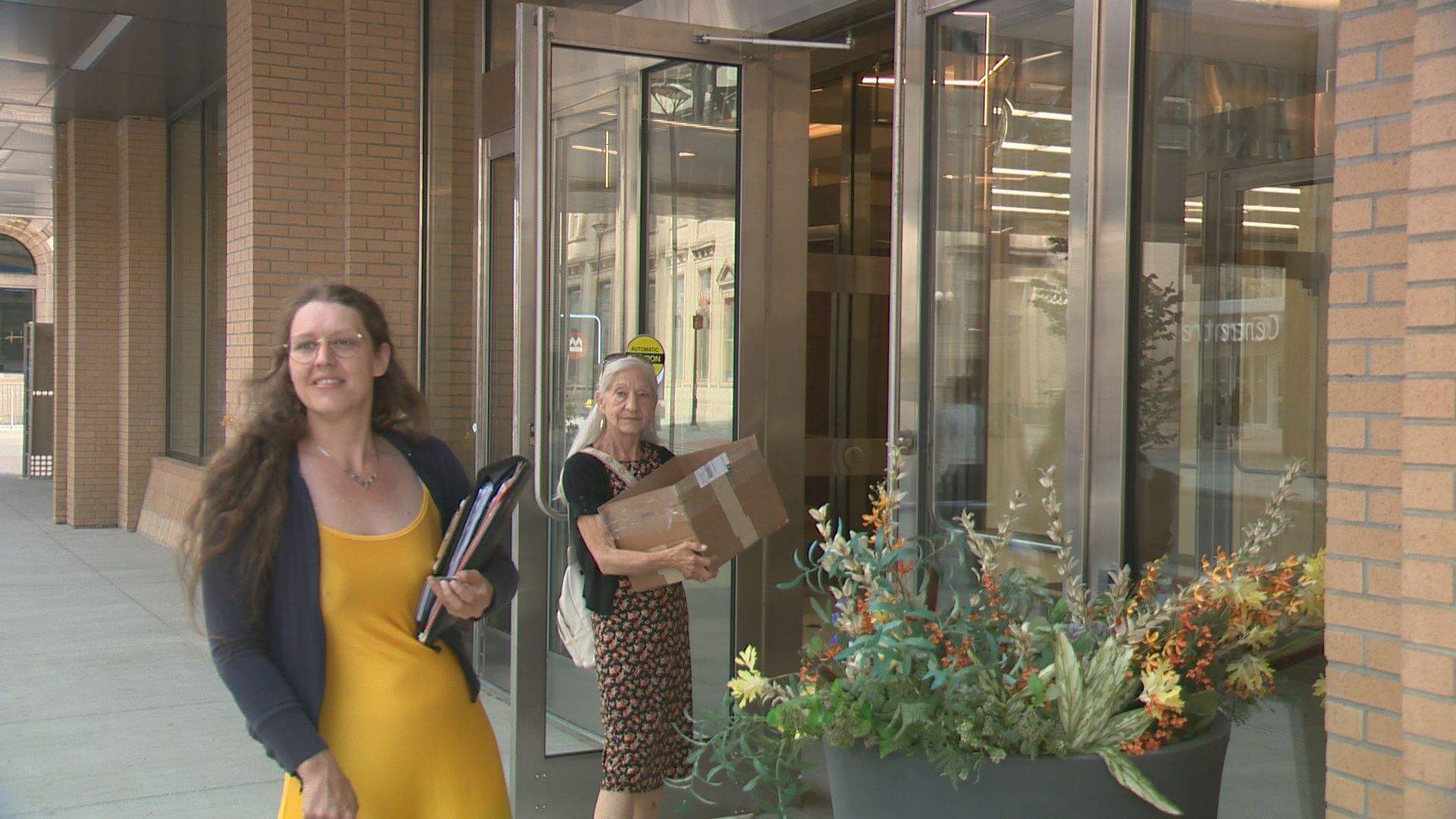
Dealing with provincial welfare programs shouldn't feel like a masterclass in bureaucratic survival. Yet, for thousands relying on the Saskatchewan Income Support program, navigating the system often means walking through a maze of impossible rules, delayed processing times, and sudden housing loss. When real people lose their homes because assistance dollars fail to match reality, something is profoundly broken.
Take the case of Arkady Shaw, a recipient who found herself facing the nightmare of losing her housing while trying to stay afloat on SIS. Stories like hers aren't isolated incidents. They represent a systemic pattern within provincial social assistance that forces vulnerable citizens to turn to external watchdogs just to be heard. When government systems stop serving people, the office of the provincial ombudsman becomes the last line of defense. For a different view, read: this related article.
Why the SIS Program Misses the Mark
The structural flaws built into the Saskatchewan Income Support program have been flagged by advocates, social workers, and recipients for years. Unlike older legacy structures, SIS was pitched as a pathway to independence. In practice, it often acts as an administrative trap.
- Inadequate Benefit Rates: Monthly allowances simply haven't kept pace with skyrocketing rental markets and grocery inflation.
- Direct Vendor Payment Hurdles: Transitioning away from direct payments for utilities and rent left many tenants vulnerable to sudden evictions when budgeting errors or administrative delays occurred.
- Red Tape Walls: Getting urgent emergency top-ups requires jumping through hoops that demand digital access, immediate documentation, and endless phone queues.
When people fall through these cracks, they don't just experience temporary financial strain. They lose stability, health, and housing. And because internal appeals inside government departments can take weeks or months to resolve, recipients are left with nowhere to turn. Further analysis on the subject has been published by TIME.
The Role of the Ombudsman When Bureaucracy Fails
Turning to the Saskatchewan Ombudsman is a step people take when every local office door slams in their face. The ombudsman operates as an independent officer of the legislative assembly, designed to investigate administrative unfairness. But filing a complaint shouldn't be required just to get basic human needs met.
If you or someone you know is caught in a similar administrative gridlock, filing an ombudsman complaint requires documentation. Keep every single email, note the exact date and time of phone calls, and log every denial in writing. Bureaucracies thrive on vague phone conversations; they stumble when confronted with a paper trail.
Systemic change will only happen when public pressure forces a complete overhaul of how social safety nets are managed. Until policy makers align assistance payouts with actual living costs, recipients will keep fighting back file by file, complaint by complaint.