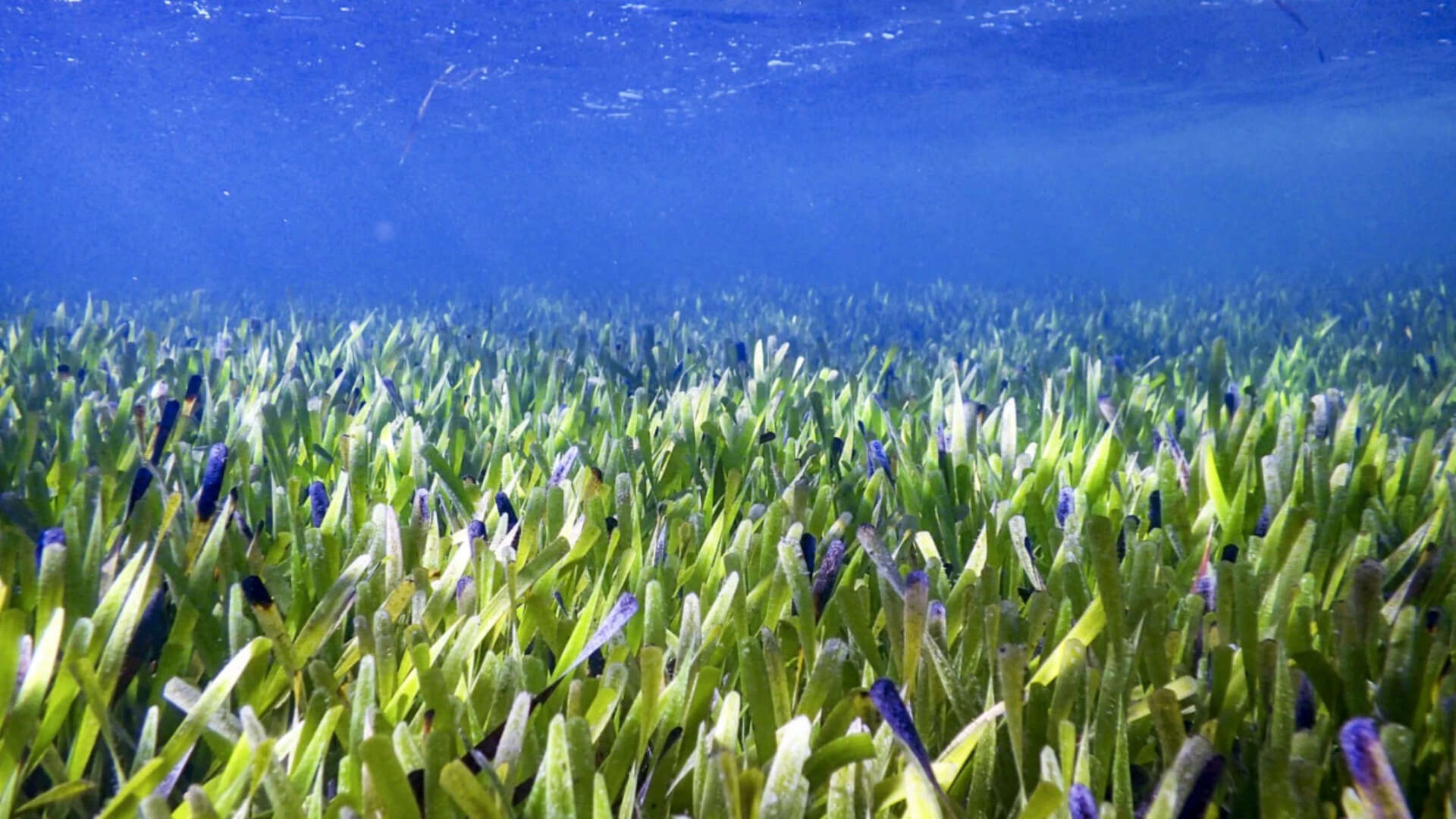
The global food system is broken. We're running out of arable land, freshwater supplies are plummeting, and climate change is wrecking traditional crop yields. Most tech founders look to lab-grown meat or vertical farms for answers. They're looking in the wrong place. The actual solution is sitting right at the bottom of the ocean.
Scientists are realizing that underwater seagrass meadows could end global malnutrition. This isn't science fiction. It's marine biology. Specifically, a plant called Zostera marina, commonly known as eelgrass, produces a grain that behaves remarkably like rice. But it doesn't need freshwater, fertilizers, or artificial pesticides to grow. It just needs the sea.
Most people confuse seagrass with seaweed. They're entirely different organisms. Seaweed is algae. Seagrass is a flowering plant with roots, seeds, and a complex ecosystem. For centuries, indigenous communities, like the Seri people in the Gulf of California, harvested these seeds to make flour. We forgot about it. Now, we desperately need to remember.
The Secret Nutritional Power of Seagrass Meadows
We face a massive caloric and micronutrient crisis. Rice, wheat, and corn dominate our global calorie intake. That lack of diversity makes our food supply fragile. Eelgrass grain changes everything.
Biologists analyzing these marine seeds have discovered an incredible nutritional profile. The grain is naturally gluten-free. It contains high concentrations of omega-3 and omega-6 fatty acids, which are crucial for brain development and heart health. It has more protein than white rice and boasts a heavy dose of dietary fiber.
Think about the regions hit hardest by malnutrition. Many are coastal communities in developing nations. Their soil is often poor, and their freshwater is scarce. Yet, they sit right next to vast marine environments. Planting underwater seagrass meadows means creating localized, highly resilient food sources right where people need them most. It bypasses the nightmarish logistics of global food shipping. It empowers coastal populations to feed themselves with a crop that loves the salt.
Why Marine Agriculture Beats Traditional Farming
Traditional agriculture is a ecological disaster. It guzzles 70% of the world's accessible freshwater. It relies on chemical runoff that creates massive dead zones in our oceans.
Marine agriculture flips this dynamic completely.
- Zero Freshwater Consumption: Seagrass thrives in full-salinity ocean water. You save billions of gallons of drinking water.
- Natural Pest Resistance: Marine pests don't target these plants the way insects ravage corn fields. No chemical pesticides required.
- Massive Carbon Sequestration: Seagrass meadows capture carbon up to 35 times faster than tropical rainforests. You're feeding the world and cooling the planet simultaneously.
Angel León, a visionary Spanish chef at Aponiente, has spent years pioneering the cultivation of marine grain. His culinary lab found that eelgrass yields are incredibly promising. A single hectare of seagrass can produce a significant harvest of grain without a drop of fertilizer.
The process isn't without hurdles. Harvesting underwater is radically different from driving a combine harvester through a Kansas wheat field. We need new tools. Specialized aquatic machinery must be designed to gather the seeds without ripping up the delicate root systems that stabilize the seabed.
Overcoming the Scalability Myth
Skeptics argue that marine farming can't scale fast enough to combat global malnutrition. They're wrong. The barrier isn't biology. It's investment and imagination.
We already possess the technology to restore seagrass ecosystems. Organizations like the Nature Conservancy have successfully restored thousands of acres of eelgrass in places like the Virginia Coast Reserve using mechanized seeding techniques. We just need to shift our focus from mere conservation to active agriculture.
Restoring these meadows requires a deliberate strategy. First, identify shallow coastal areas with high water clarity so sunlight can reach the plants. Second, engage local fishing communities. They already know the waters, and marine farms act as nurseries for fish, which actually increases wild fish stocks. It creates a dual food source: grain from the plants and protein from the thriving fish population.
The cost of starting an ocean farm is significantly lower than buying prime terrestrial farmland. There are no property taxes on the open water, no irrigation systems to install, and no expensive soil treatments to buy. The ocean provides the infrastructure for free.
Actionable Steps for Marine Food Adoption
We can't wait for massive bureaucratic organizations to fund this shift. Change happens when chefs, entrepreneurs, and local governments push the boundaries.
If you want to see marine grain on global plates, the path forward is clear. Chefs must introduce these grains to consumers to build market demand. Investors need to channel venture capital into underwater harvesting technology rather than another food delivery app. Coastal municipalities should fast-track permits for sustainable marine agriculture zones.
Start looking at the coastlines differently. Those green, murky shallows aren't weeds to be cleared for tourists. They are the future of human survival.