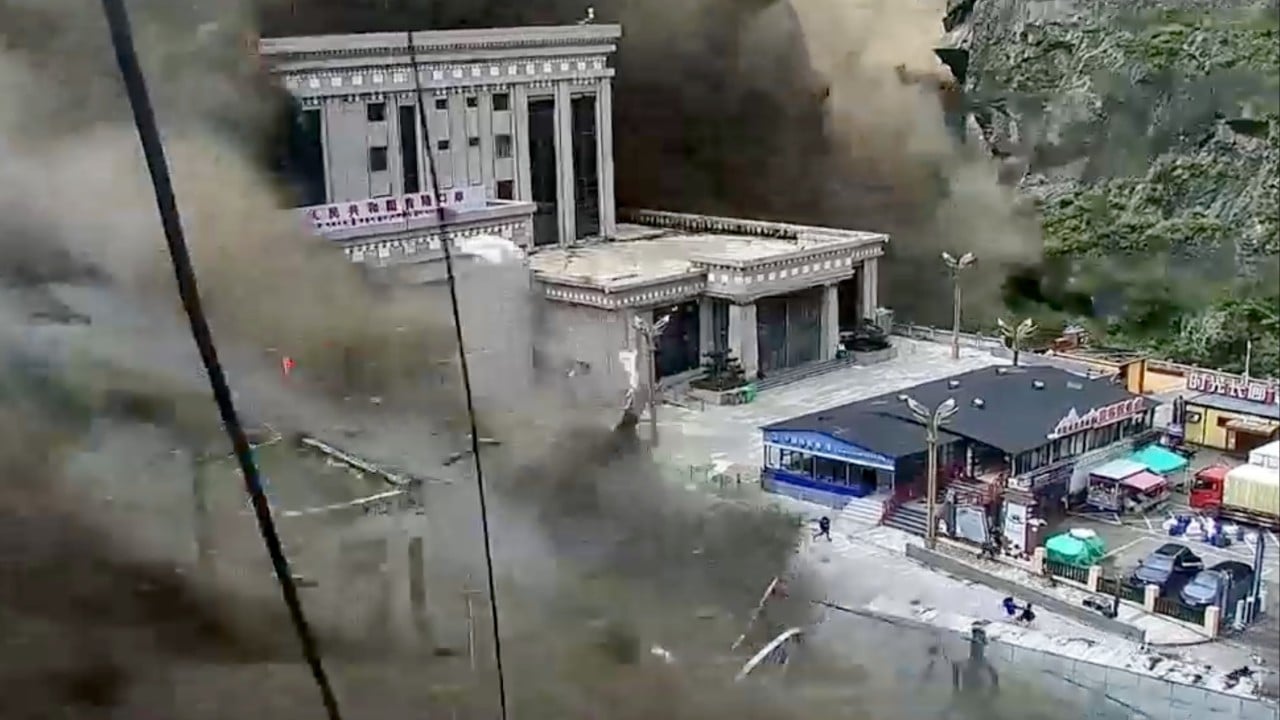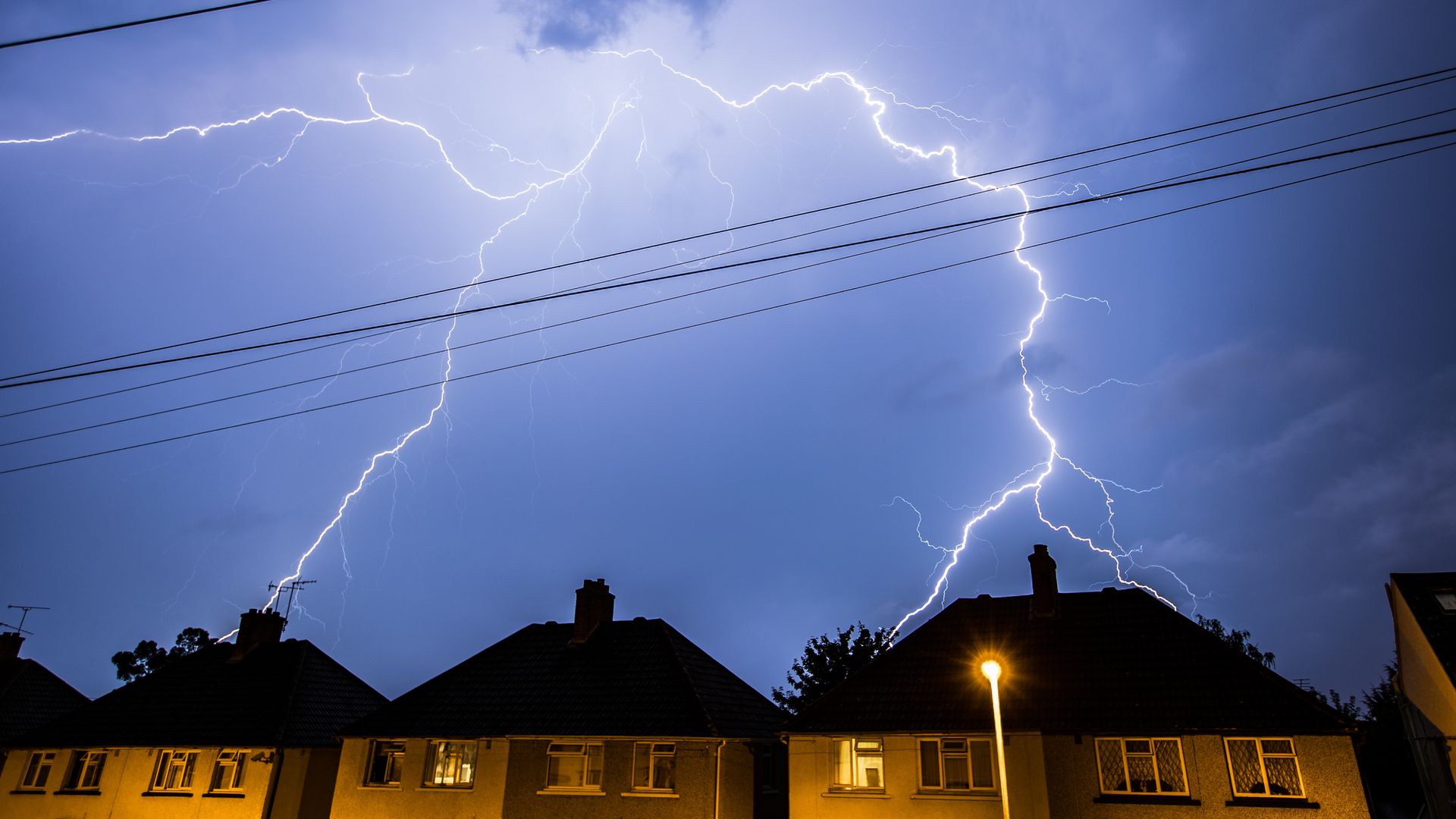
You watch the sky turn a sickly shade of bruised purple, and you think you have plenty of time to beat the rain. You are wrong. Severe thunderstorms arrive faster than the radar apps update, bringing torrential downpours, tennis-ball-sized hail, and flash flooding that turns everyday intersections into rushing rivers within minutes. Most people treat a severe weather warning like background noise until water is lapping at their car doors. That is a dangerous mistake.
Intense thunderstorms are moving across the region with a dangerous cocktail of large hail, damaging wind gusts, and sudden flash flooding that guarantees severe travel disruption. If you commute, fly, or run errands today, your routine is about to shatter. Let's break down why these storms catch everyone off guard and how you can protect your property, your vehicle, and your safety before the skies open up.
The Science Behind Sudden Flash Flooding
Water does not care about your schedule. When heavy rain falls faster than the ground can absorb it, flash flooding happens. Urban areas are the worst culprits. Asphalt and concrete block natural drainage, forcing millions of gallons of water onto roadways instantly.
I have seen dry suburban streets transform into raging torrents in less than ten minutes. You do not need to live near a major river to be at risk. Low-lying intersections, underpasses, and poorly graded parking lots become death traps almost immediately.
Driving through floodwaters is the single most common mistake people make during severe weather. It takes just six inches of moving water to knock a person off their feet, and a mere twelve inches of water will float most cars. Once your car starts floating, you lose steering control, and the current can sweep you downstream.
Why Radar Apps Lie to You
We rely heavily on weather apps on our phones. They feel authoritative with their bright green, yellow, and red blobs moving across a digital map. But radar data has latency. By the time a storm cell registers as severe on your screen, the updraft may have already collapsed, dropping a wall of water directly onto your exact highway commute.
Do not trust a weather app to keep you safe in real-time. Trust your eyes. If the horizon turns black and the wind shifts abruptly, the storm is already on top of you. Pull over safely, stay away from windows, and wait it out.
Surviving the Threat of Large Hail
Large hail is basically frozen artillery falling from the sky. When updrafts inside a thunderstorm are exceptionally strong, raindrops are repeatedly pushed high into the freezing upper atmosphere, accumulating layers of ice before gravity finally drags them down.
When these ice chunks measure two inches across or larger, they smash through residential roof shingles, shatter home windows, and turn vehicle windshields into spiderwebs of broken glass.
Insurance claims skyrocket after these events, but the immediate danger is physical injury. Getting caught outdoors in a severe hail storm without shelter is terrifying. If you hear the distinctive roaring sound of an approaching storm accompanied by rapid, heavy thuds, seek sturdy indoor shelter immediately.
Protecting Your Vehicle Before the Storm Hits
Your car is likely your second most expensive asset, and parked outdoors during a severe hailstorm, it becomes a sitting duck.
- Move your vehicle into a garage or under a sturdy concrete parking structure if one is nearby.
- Keep heavy floor mats or thick blankets in your trunk. If you get caught out in the open with no garage in sight, throwing thick floor mats over your windshield can absorb the worst of the impact and prevent total glass failure.
- Avoid parking directly beneath large trees. High winds routinely snap heavy branches, dropping them onto hoods and roofs alongside the hail.
Navigating Major Travel Disruption
Airports halt operations, commuter trains experience cascading delays, and highway systems grind to a halt when severe convective storms roll through. Airlines hold planes on the tarmac or keep them grounded at origin airports, creating a ripple effect that ruins travel plans hundreds of miles away.
If you have a flight scheduled today, check the status before you leave your house. Do not wait for an airline notification text because their automated systems are often overwhelmed during severe weather outbreaks.
On the roads, visibility drops to near zero during the heaviest downpours. Tailgating is always a bad idea, but during a torrential thunderstorm, it is practically suicidal. Hydroplaning occurs when a layer of water builds up between your tires and the road surface, causing you to lose all traction.
If your car starts to hydroplane, do not slam on the brakes. Take your foot off the accelerator gently and steer straight until the tires regain grip with the pavement. Keep your headlights on so other drivers can see you, but turn your hazard lights off while moving. Using hazards in motion confuses drivers behind you and obscures your brake lights.
Practical Steps to Stay Safe Right Now
Preparation makes the difference between a minor inconvenience and an emergency rescue situation. Take these actions immediately.
Clear your outdoor gutters and storm drains. Clogged leaves and debris force rainwater to pool directly against your home foundation, leading to flooded basements.
Secure patio furniture, trash bins, and garden tools. High straight-line winds associated with intense thunderstorms easily pick up unsecured items and turn them into flying projectiles that break windows and damage siding.
Charge your backup power banks and locate your flashlights. Power outages are guaranteed when severe winds knock down tree branches onto local power lines. Keep your refrigerator and freezer doors closed tightly to preserve your food if the power grid goes down for a few hours.
Stay off the roads unless travel is strictly mandatory. Let the emergency crews and first responders handle the initial wave of the storm without having to dodge stalled cars in flooded intersections. Wait out the weather, stay informed through reliable local emergency broadcasts, and respect the raw power of nature.