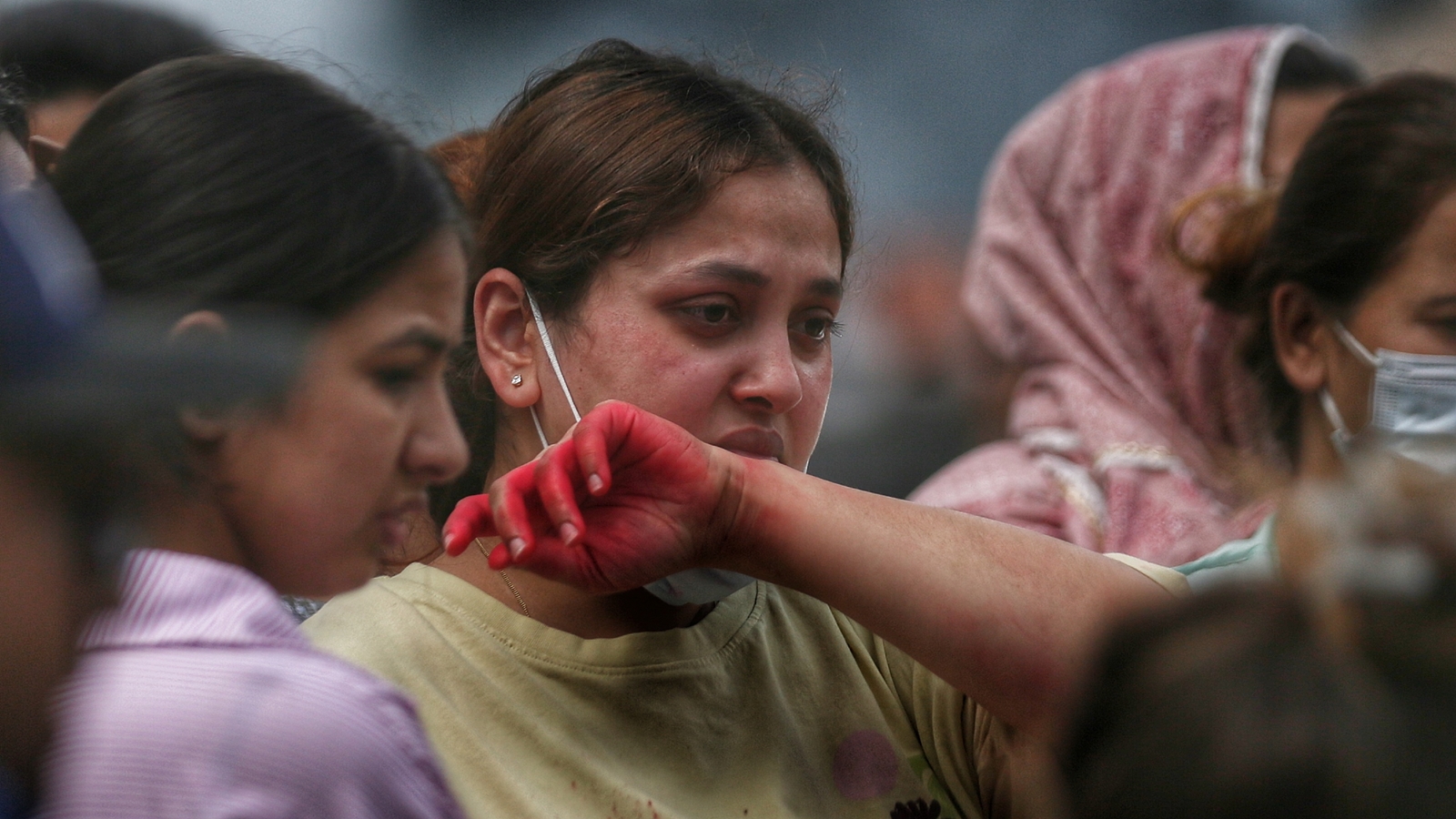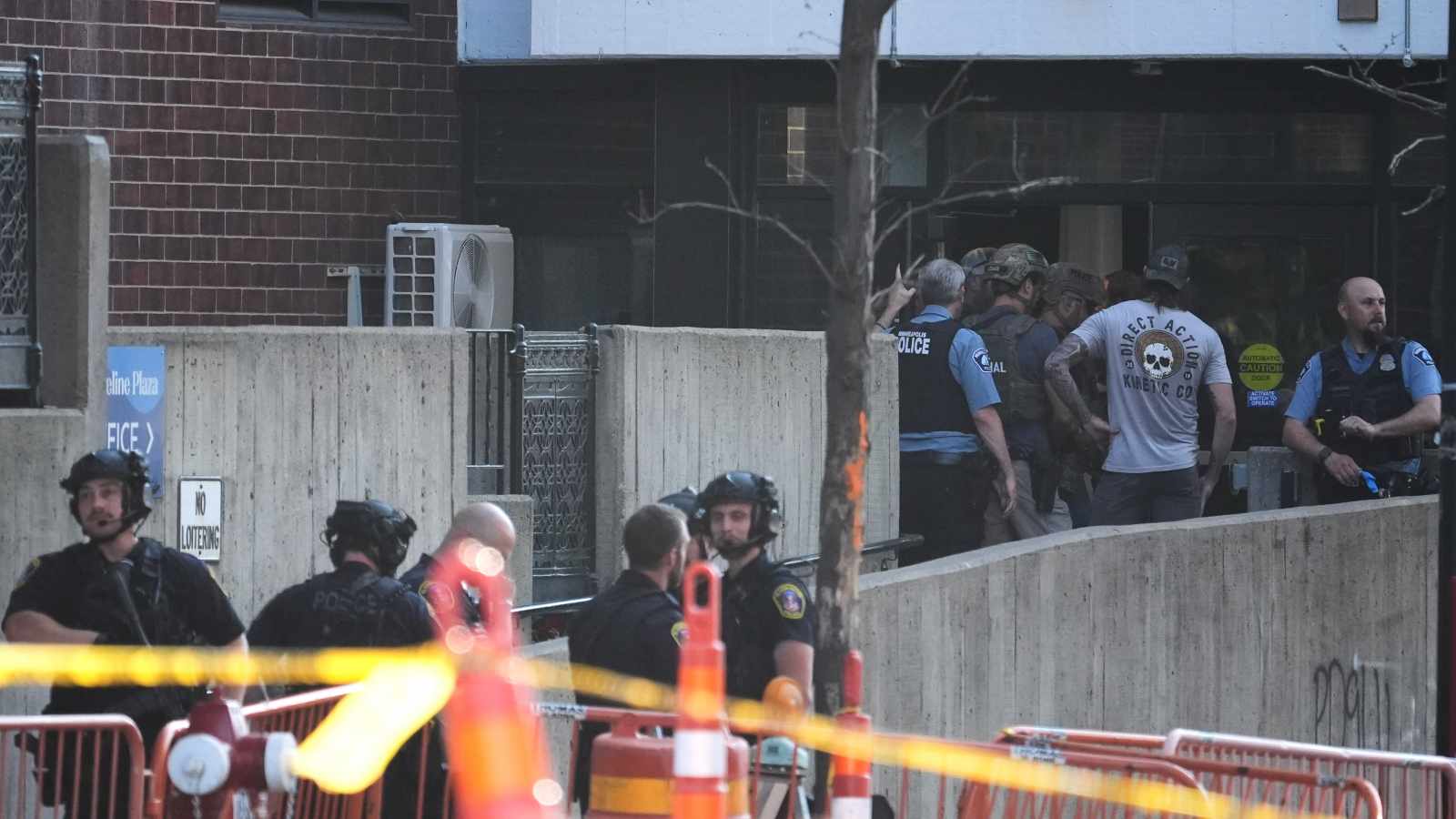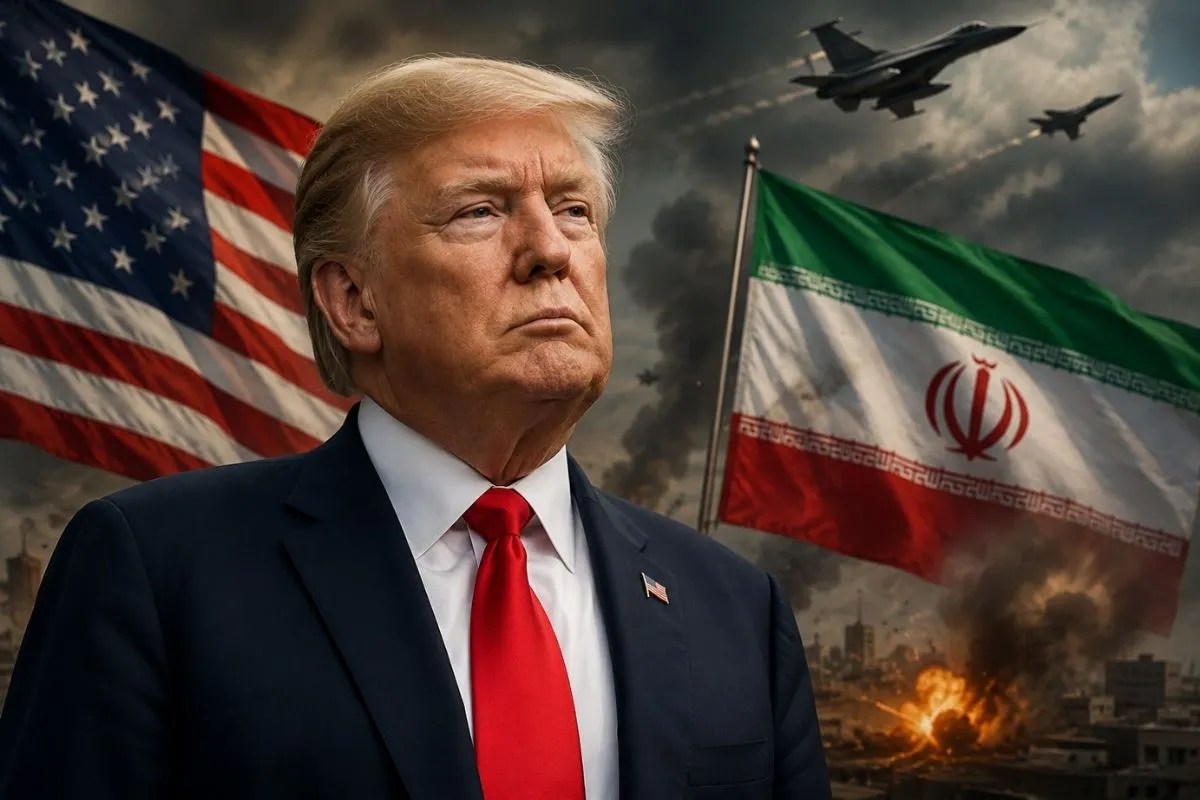
The air in the capital always tastes of dust before the sirens start. You learn to read the pressure in the atmosphere long before the alerts flash across the screens. It is a dry, metallic heat that settles behind the eyes, carrying the quiet, suffocating dread of waiting for a shoe to drop from a mile high. When the news finally broke that American strikes had pierced the skyline of Tehran, the world reacted with the usual frantic choreography of stock tickers and hurried diplomatic communiques. But thousands of miles away from the polished mahogany tables where maps are drawn and redrawn, the reality looks entirely different. It looks like concrete dust settling on shattered kitchen tables. It looks like a mother wondering if the next flash of light will illuminate her child's bedroom or erase it.
Donald Trump stepped before the microphones with his characteristic bluster, offering a prediction that hung in the humid air like smoke. The conflict, he insisted, would not last long. Tehran would fold. The machinery of American deterrence would make quick work of the ancient Persian capital. History, however, has a cruel habit of mocking men who put expiration dates on war.
Consider the mathematics of escalation. It never starts with the grand detonations that make the evening broadcast. It starts with whispers in dark rooms. A drone hums over a desolate stretch of desert, invisible against the stars. A missile clears a launchpad with a mechanical shriek that cuts through the midnight silence of a sleeping neighborhood. We call these precision strikes, as if precision could somehow sanitize the violence of tearing a human life apart with high-explosive ordnance.
To understand what happens next, you have to look past the political posturing in Washington and the defiant rhetoric echoing from state television networks in Iran. You have to look at the ordinary people caught in the machinery of giants. Take Reza, a hypothetical mechanic in a crowded district of southern Tehran—a composite of a thousand real men whose calloused hands keep rusted sedans moving through economic strangulation. Reza does not care about geopolitical leverage points or strategic deterrence corridors. He cares about the price of flour. He cares about whether the pharmacy down the street still has insulin for his aging mother. When foreign powers trade salvos across the Middle East, men like Reza do not experience war as a grand chess match. They experience it as a series of doors slamming shut.
War has its own momentum. It is a boulder rolling down a steep incline, gathering weight and speed with every yard it covers. Politicians often talk about launching a conflict as if they are flipping a switch. Turn it on. Achieve the objective. Turn it off. But anyone who has ever stood in the smoking aftermath of an explosion knows that modern conflict is not a light switch. It is a wildfire. You do not control a wildfire. You simply pray the wind changes before it consumes your home.
When the leader of the free world declares that a war will be short, he is usually selling a story to a domestic audience that has grown exhausted by decades of endless entanglements. Fatigue is a powerful political driver. People are tired of the body bags coming home in the quiet hours of dawn. They are tired of gas prices creeping upward every time tensions spike in the Strait of Hormuz. So the promise of a swift, clean victory acts as a soothing balm. It tells the electorate that they can have their geopolitical dominance without paying the terrible human toll.
Yet the geography of the region refuses to cooperate with such neat timelines. Iran is not a small, isolated outpost easily dismantled by a weekend campaign. It is a sprawling nation of mountains, deserts, and nearly ninety million people, many of whom possess a fierce, multi-generational sense of national pride that transcends their complicated relationship with their own government. When foreign bombs fall on sovereign soil, a strange psychological alchemy occurs. Internal dissent often fractures under the weight of external aggression. The people who curse the morality police in the morning may find themselves sheltering in the same basement by nightfall, bound together not by ideology, but by the primal instinct to survive.
The global economy sits on a hair-trigger. A prolonged disruption in the Persian Gulf sends shockwaves through every gas station from London to Los Angeles. Shipping lanes narrow. Insurance rates for cargo vessels skyrocket. The ripple effect reaches the grocery store shelf, the heating bill, the retirement account of someone who has never looked at a map of the Middle East in their life. We are all tethered to these distant flashpoints by invisible economic wires. When a missile strikes Tehran, the cost of living inches up in Ohio.
History is littered with the ghosts of quick wars. In the summer of nineteen fourteen, young men marched off to the sound of cheering crowds, fully convinced they would be home by Christmas. They returned years later to a shattered continent, their innocence buried in the mud of the Somme. Every strategist who promises a swift victory is selling a comforting illusion. The hardest part of any war is never starting it. The hardest part is surviving the consequences once the architects of the conflict have moved on to other things.
As the smoke clears over the latest impact craters, the silence that follows is never peaceful. It is pregnant with anticipation. It is the sound of a region holding its breath, waiting to see which way the pendulum of retaliation will swing. The rhetoric will cool for a moment. Statements will be issued. Diplomats will posture behind closed doors. But down in the dusty streets, beneath the weight of an uncertain sky, the people know the truth that politicians try so hard to forget. Once the first domino falls, the board changes forever. And no one, no matter how powerful, gets to decide when the game finally ends.