The announcement rippled through international intelligence channels with the cold efficiency of modern state-sponsored posturing. Iran military leadership declared a cash equivalent bounty of $30,000 for the killing or capture of American personnel, escalating the quiet war into open psychological warfare. The price on a soldier head is striking enough, but the secondary condition attached to the decree drew immediate scrutiny from strategic analysts. Tehran offered double that amount if the act is carried out by a woman.
This move arrives against a backdrop of ongoing conflict in West Asia, where the US-Iran war has ground into an ugly, unpredictable rhythm since hostilities broke out. Yet, the policy raises hard operational questions. There is no active, sustained deployment of US ground forces inside Iranian territory. Aside from isolated rescue operations, American boots are not marching through Tehran. Why place a bounty on targets that remain largely out of reach?
The answer requires looking past the flashy headlines and examining the machinery of domestic morale and asymmetric signaling.
The Anatomy of State-Sanctioned Rhetoric
Wars are fought with bullets, but they are sustained through narrative. When Iran Army Chief Amir Hatami announced the initiative, he attributed the mechanism to an overwhelming public demand for financial participation in national defense. Whether that public pressure is organic or manufactured matters very little to the regime propaganda machine. It serves a dual purpose.
First, it signals to a domestic constituency that the state is shifting power directly into the hands of the populace. Second, it weaponizes the concept of popular resistance. By turning military engagement into a crowdsourced enterprise, the government attempts to bridge the gap between conventional armed forces and civilian grievance.
The inclusion of a double reward for female combatants is calculated optics. In Western media and geopolitical circles, the framing of Iranian women has long been a flashpoint. By highlighting female participation and offering a financial multiplier, Tehran is actively pushing back against external characterizations of victimhood, replacing it with an image of militant agency. It is a strategic provocation designed to capture attention in foreign capitals and force military planners to factor ideological unpredictability into every regional calculation.
Asymmetric Realities in the Persian Gulf
To understand the weight of these financial incentives, one must look closely at where the actual fighting happens. The conflict is heavily naval and aerial, concentrated around the strategic bottleneck of the Strait of Hormuz. Commercial navigation routes face continuous disruption, regional proxies trade strikes, and naval assets play a high-stakes game of cat and mouse.
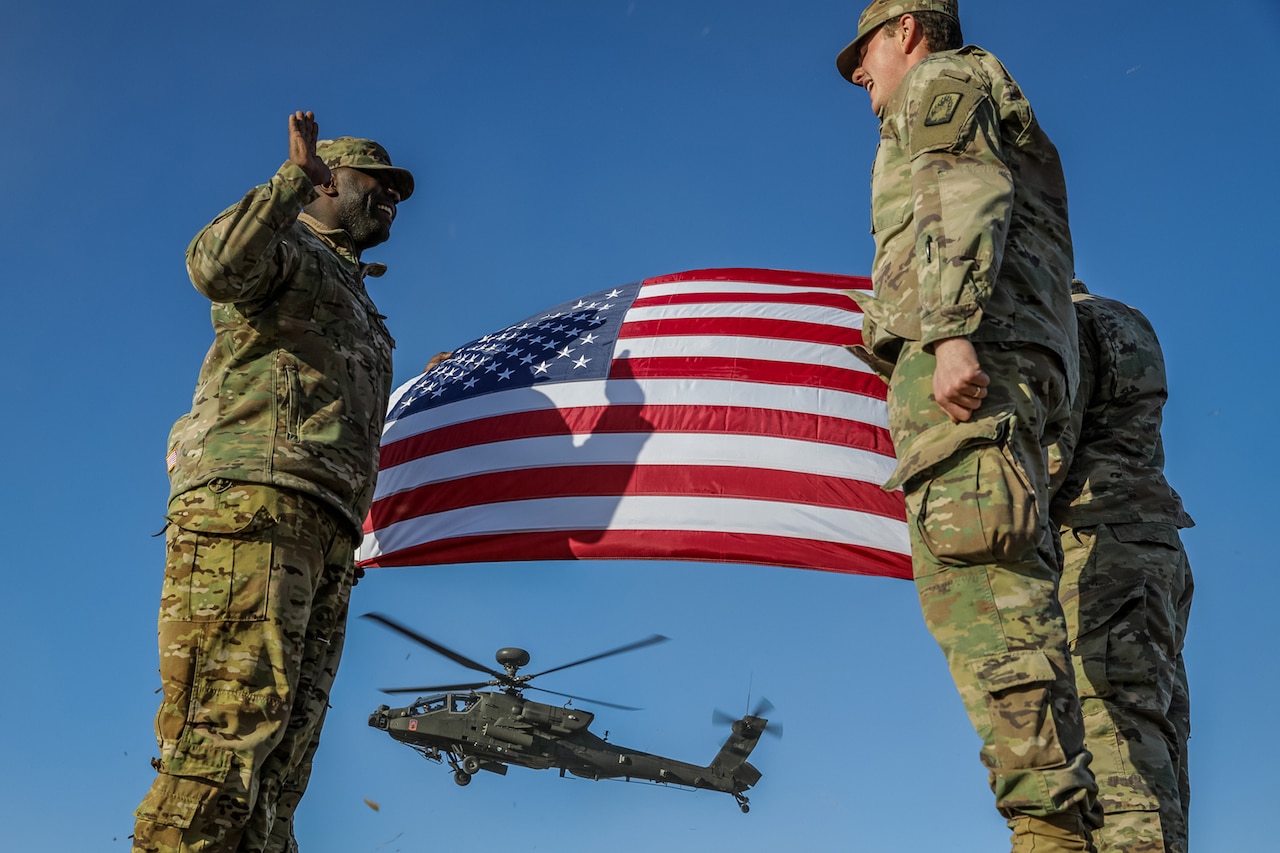
US service members stationed on regional bases or aboard carrier strike groups are the tangible targets of this theater. While a civilian walking up to an American soldier with hostile intent inside Iran is a logistical impossibility under current deployment maps, the psychological pressure of a declared bounty extends far beyond geographic borders. It targets the shadows. It targets intelligence operatives, contractors, and forward-deployed personnel who operate in ambiguous zones across the region.
Terror and deterrence often share the same currency. When a state places a price on individual heads, the objective is rarely immediate body counts. The real goal is cumulative friction. It forces commanders to elevate force protection measures, restricts movement, and drains resources through endless defensive precautions.
The Economics of Total Mobilization
Monetary figures in wartime economies carry strange weight. Five billion tomans sounds vast on paper, but the devaluation of currency under severe international sanctions complicates the actual purchasing power of such rewards. Yet, economics in this context are purely symbolic. The gesture matters more than the ledger.
When a nation state adopts the tactics of decentralized insurgencies—offering bounties reminiscent of non-state actors—it blurs the lines of conventional warfare. It transforms ordinary urban environments into potential zones of suspicion. Every civilian interaction becomes a risk calculation. Every port call in the region carries an elevated threat index.
Washington has largely met these announcements with a practiced shrug, refusing to allow state-directed rhetoric to dictate active tactical shifts. Defense officials know that the absence of ground troops in Iran renders the physical collection of these bounties nearly impossible inside the country itself. However, the spillover effect into neighboring territories where proxy networks operate remains a persistent operational headache.
Navigating the Gray Zone
The conflict between Washington and Tehran has settled into a grinding war of attrition. There are no sweeping offensives or decisive maneuvers on the horizon. Instead, both sides rely on economic strangulation, cyber operations, and targeted messaging campaigns to wear down the opposition.
Bounties advertised through state media represent the theater of desperation and resolve combined. They prove that while the military balance heavily favors American technological and conventional superiority, asymmetric actors retain an infinite capacity for disruption through psychological channels.
As long as the Strait of Hormuz remains a disputed choke point and diplomatic channels stay frozen, these psychological salvos will continue. The real danger is not that a bounty produces a sudden wave of successful attacks against heavily fortified US positions. The danger lies in the slow, corrosive effect of an environment where every adversary is invited to view an individual human life as a transactional line item.
The escalation is locked in. The rhetoric grows sharper with each passing week. The cost of engagement rises quietly in the background, paid for in tension, caution, and the permanent shadow cast across the Persian Gulf.
Fubu Toy review
This video provides visual context on how Iranian state media and military authorities project domestic resilience through armed mobilization displays and warnings directed at US forces.
http://googleusercontent.com/youtube_content/1