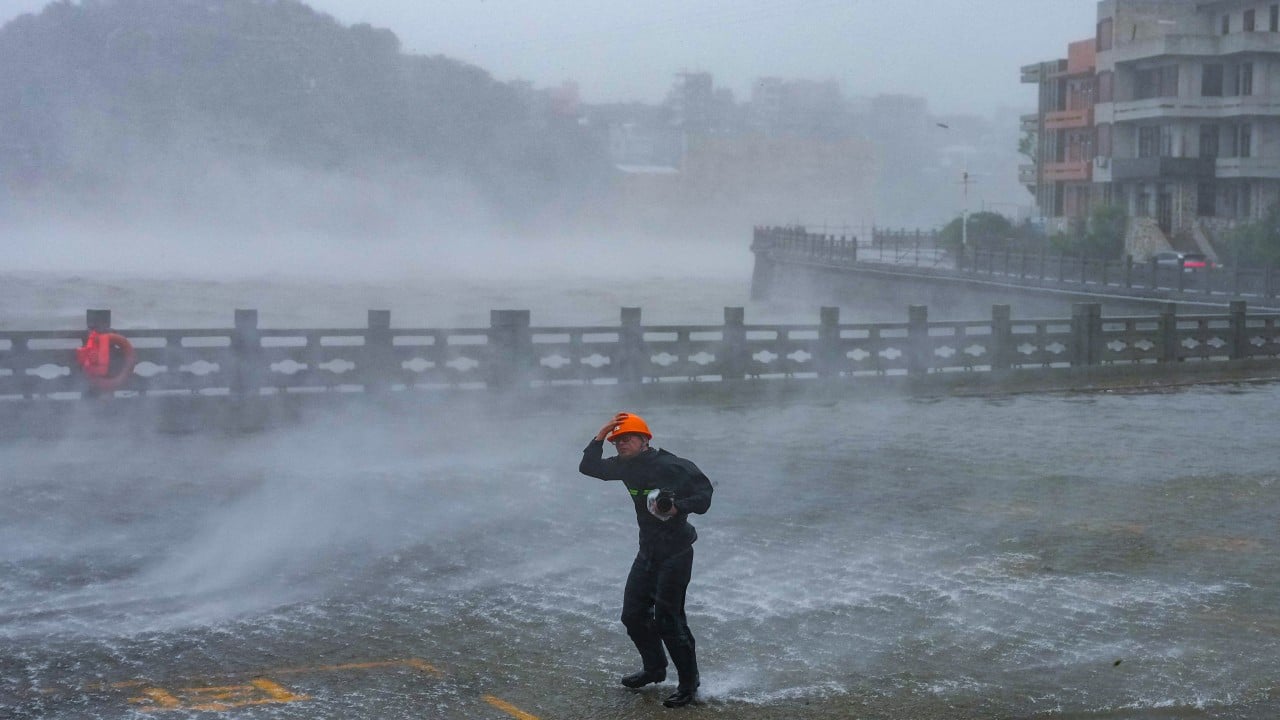
Planes sit stranded on tarmac while frustrated passengers sleep on terminal floors. Sound familiar? When forty percent of flights get grounded in Shanghai as long-lived Typhoon Dolphin moves north, the modern aviation network breaks down in predictable, painful ways.
You show up at Pudong or Hongqiao expecting a minor weather delay. Instead, you hit a wall of cancelled itineraries, missing bags, and digital check-in apps throwing endless error codes. Travel disruptions like this aren't random bad luck. They expose the fragile choreography keeping global transit running.
Let's look at what actually happens behind the scenes when a massive storm like Typhoon Dolphin alters flight paths across East Asia, and why airlines still fail to handle it gracefully.
The Domino Effect of Regional Hub Closures
Shanghai Pudong International Airport isn't just a local transit stop. It serves as a mega-hub connecting North America, Europe, and domestic Chinese networks. When Mother Nature forces air traffic controllers to ground nearly half the flight schedule, the impact ripples outward instantly.
Planes scheduled to land in Shanghai are stuck holding in distant airspaces or diverted to secondary airports. Crews time out. Maintenance schedules derail.
A single typhoon churning north doesn't just delay departures in East Asia. It leaves empty gates in Tokyo, missed connections in Frankfurt, and stranded travelers scrambling for hotel vouchers in Los Angeles twelve hours later.
Airlines love to blame weather. They call it an act of god. But the truth is more complicated. Modern scheduling models push aircraft utilization to the absolute limit. Planes spend barely forty minutes on the ground between legs.
When a storm hits, there is zero buffer in the system. Carriers run lean to maximize profit margins. Passengers pay the price when that lean machine hits a wall of severe weather.
Digital Meltdowns and the Queue Nightmare
Weather tracking apps show you the typhoon spinning offshore. What they don't show is the digital panic inside the terminal.
The moment a ground stop hits forty percent capacity, airline booking engines crash under the weight of automated rebooking requests. Customer service desks instantly form lines snaking across three terminal zones.
If you're relying on your phone to automatically rebook your seat during a major hub shutdown, you're already losing. App algorithms prioritize high-tier frequent flyers and full-fare business tickets. Economy travelers get pushed three days out into the future.
How to Beat the Automated Rebooking Trap
Don't stand in that massive terminal line. It's a waste of precious hours.
- Call the international help desk immediately. While local desks are swamped with thousands of angry passengers, call center lines in different time zones often have shorter wait times.
- Use social media messaging. Direct messaging an airline on platforms like X or WhatsApp sometimes connects you with human agents who can bypass overloaded app queues.
- Book a refundable backup ticket on a rival carrier. If you have flexible credit limits, secure a seat on a different airline flying out of an unaffected regional airport before inventory completely vanishes.
The Reality of Long Lived Storms
Typhoon Dolphin earned a reputation for longevity, tracking north for days and erraticizing standard meteorological predictions. Traditional storms hit hard and fast, then clear out. Long-lived typhoons linger like unwelcome houseguests, forcing extended ground stops that destroy rolling weekly schedules.
Airlines hate lingering storms. A quick thunderstorm lets operations resume by midnight. A multi-day atmospheric monster forces carriers to cancel entire blocks of flights days in advance just to reposition crews.
Most travelers don't realize that crew scheduling laws dictate flight safety just as much as mechanical maintenance. Pilots and flight attendants legally cannot fly past specific duty-day limits, even if passengers are desperate to get home. When a typhoon locks down Shanghai airspace for forty-eight hours, crews get trapped out of position across the globe.
Even after the wind dies down and runways reopen, getting the human puzzle pieces back into place takes days.
Protecting Yourself Before the Next Ground Stop
Weather patterns are shifting. Severe storms are becoming more frequent across major Asian transit corridors. You can't control typhoons, but you can change how you react when travel infrastructure collapses.
Stop booking tight connections through mega-hubs during typhoon season if you can avoid it. Give yourself a four-hour window instead of a ninety-minute layover. Buy travel insurance that explicitly covers accommodation expenses during weather emergencies. Most standard credit card travel protections have loopholes for named tropical storms unless you read the fine print beforehand.
Keep physical copies of your essential documents, emergency cash in local currency, and a portable power bank charged to maximum capacity. When terminal power flickers or charging stations get swamped, your phone battery is your only lifeline.
Shanghai will recover, planes will take off again, and the terminals will clear out. Until the next storm rolls in, stop expecting perfection from a system built on razor-thin margins. Pack patience, stay adaptable, and take control of your own itinerary before the airline makes the choice for you.