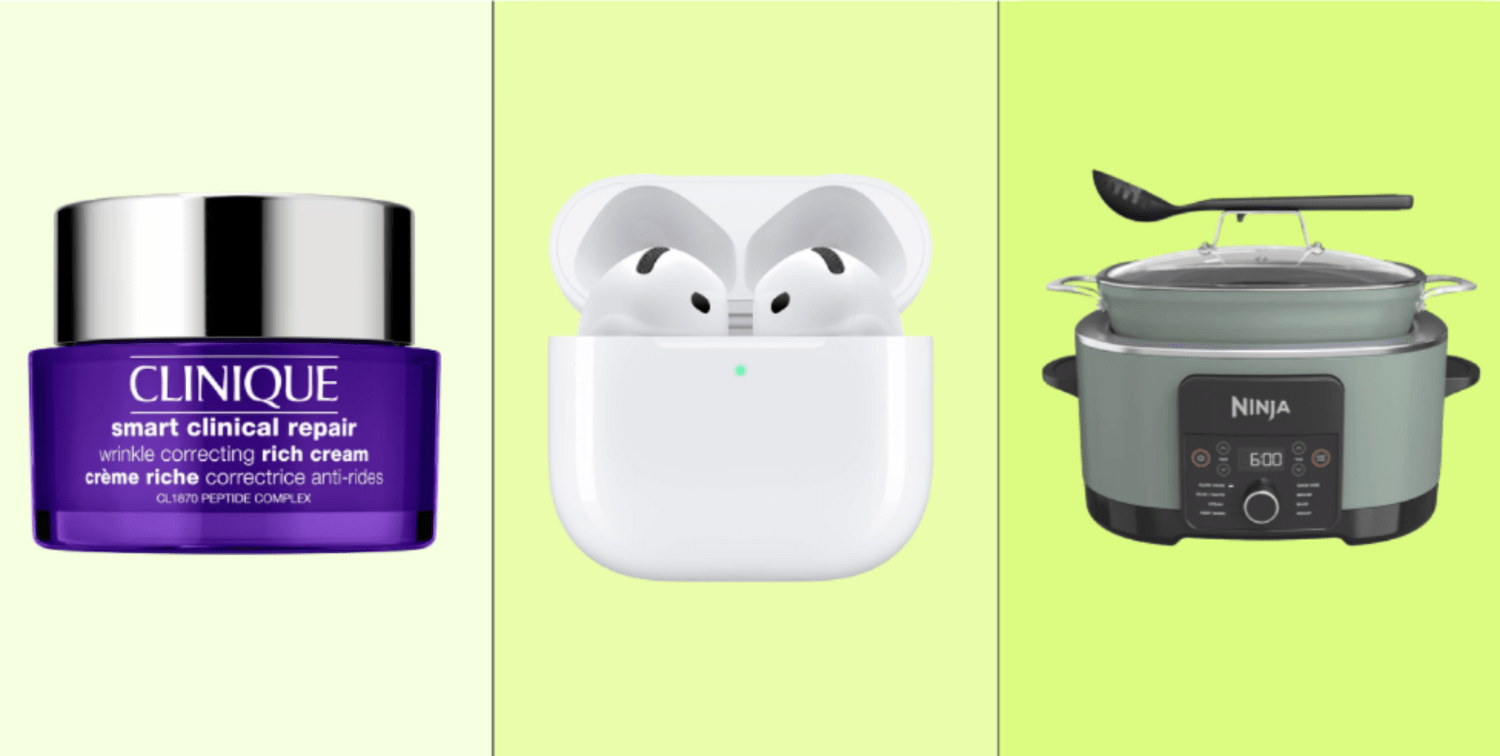
Waiting until the Friday after Thanksgiving to start your holiday shopping is a rookie mistake. I've tracked retail pricing cycles for over a decade, and the data tells a pretty clear story. Retailers don't hold back their best inventory for one chaotic weekend anymore. Instead, they bleed out their promotional budgets starting in late October and accelerating hard through the middle of November.
If you're looking for the best early Black Friday sales to start shopping now, you need to change how you view the calendar. By the time actual Black Friday rolls around on November 27 this year, the most popular configurations of laptops, OLED TVs, and flagship headphones have often already sold out or quietly crept back up in price. Early shopping isn't just about avoiding crowds. It's about catching the exact moment a brand drops a flagship item to its annual floor price before inventory dries up.
Why November Deals Beat Thanksgiving Weekend
Retailers have a massive logistical problem. Shipping networks get completely choked between Thanksgiving and Christmas, and warehouse labor costs spike. To smooth out that demand curve, companies like Amazon, Walmart, Target, and Best Buy shifted their strategies years ago. According to historical tracking data from Adobe Analytics, November has consistently become a month-long promotional marathon rather than a single-weekend sprint.
Here's what actually happens behind the scenes. Brands allocate a set number of units for deep discounting—sometimes called doorbusters, though that term feels a bit dated now. Once those specific batches sell through during early November events, the price algorithm resets. You might still see a "Black Friday Deal" badge on November 27, sure. Look closer at the price history, though, and you'll often find the discount shrunk from 30% down to 15%, or the retailer swapped in a lesser bundle to protect their margins.
Honestly, the psychological trick works on almost everyone. Shoppers see a countdown timer and assume the lowest price is saved for the final buzzer. It rarely is.
Where the Real Early Discounts Are Hiding
Not every product category drops at the same time. If you buy a winter coat in the first week of November, you're probably overpaying. Buy a mid-range television or a kitchen appliance during that same window, and you might hit the lowest price of the entire year.
Consumer Electronics and Home Theater
TVs and audio gear are the undisputed kings of early Black Friday sales. Manufacturers like LG, Samsung, and Sony use November to clear out current-year models ahead of the January Consumer Electronics Show in Las Vegas.
Look at OLED televisions. Models like the LG C-series or Samsung S-series routinely hit their lowest historical prices two to three weeks before Thanksgiving. Best Buy and Amazon usually trigger these drops simultaneously through automated price-matching bots. If you see a 65-inch current-year OLED drop by $500 or more right now, buy it. Waiting an extra ten days won't save you another hundred bucks—it'll just risk backorders stretching into January.
Headphones follow a nearly identical pattern. Flagship active noise-canceling models from Sony (like the WH-1000XM5) and Bose (the QuietComfort Ultra) almost always see their steepest markdowns during early November sales events. Apple products are the one exception here. While AirPods Pro and older iPad models dip early at third-party retailers like Amazon and Target, Apple itself sticks strictly to its gift-card promotion over Thanksgiving weekend rather than slashing sticker prices.
Smart Home and Kitchen Appliances
Robot vacuums and espresso machines see aggressive early discounting because they make high-margin holiday gifts. Brands like Roborock, Shark, and iRobot regularly cut $200 to $400 off their mid-tier and flagship self-emptying models right now.
Kitchen gear moves early too. KitchenAid stand mixers, Breville espresso makers, and Ninja air fryers hit their seasonal floors well before the turkey goes in the oven. Why? Because people buy them to host Thanksgiving dinner. Retailers know if they wait until November 27 to discount a roasting pan or a high-end blender, they've missed half their target audience.
Laptops and PC Components
If you're shopping for a Windows laptop, early November is prime territory. Dell, Lenovo, and HP launch pre-Black Friday doorbusters on their direct websites long before big-box stores catch up. Pay close attention to RAM and storage configurations, though. Retailers love advertising a "$499 laptop" that ships with an anemic 8GB of memory and a dim screen, while the actually usable 16GB configuration sits buried on page three.
PC builders and gamers should watch SSDs, monitors, and power supplies right now. Graphics cards rarely see massive Black Friday discounts unless a new generation is days away from launch, so don't hold your breath waiting for a miracle price drop on a top-tier GPU.
The Sneaky Retailer Tactics You Need to Spot
You can't trust a strikethrough price anymore. Period.
Over the last few years, dynamic pricing algorithms have gotten so fast that a product's "regular" price can fluctuate three times in a single Tuesday. Some third-party marketplace sellers even inflate their list prices in October just so they can slap a bright red "40% OFF" tag on the item in November.
I've seen this happen repeatedly with mid-tier kitchen gadgets and off-brand electronics. A coffee maker sells for $89 all summer, jumps to $129 in late October, and then gets "discounted" back down to $89 for an early Black Friday sale. You're not getting a deal. You're just paying Tuesday's price with a fancier banner.
Another trap is the derivative model number. Major TV and appliance manufacturers sometimes build stripped-down versions of popular products exclusively for November sales. They'll take a well-reviewed TV, remove an HDMI port, swap in a cheaper backlight panel, and change a single letter at the end of the serial number. If you can't find independent lab reviews for the exact model string printed on the box, walk away.
How to Verify If an Early Deal Is Actually Good
Stop guessing and start checking the receipts. Before you click buy on any early Black Friday promo, run the product through a few quick verification steps.
First, check historical price charts. If you're shopping on Amazon, install the Keepa browser extension or pull up CamelCamelCamel. These tools show you a literal graph of the item's price over the last 365 days. If the current price line isn't sitting at or near the very bottom of that 12-month chart, keep your wallet in your pocket. For other retailers like Best Buy, Walmart, or Home Depot, Honey's Droplist and Google Shopping's price-tracking tab offer solid baseline comparisons.
Second, read the return window fine print. Most major retailers extend their holiday return policies starting in early November, giving you until mid-January to send items back. That's a massive safety net. It means you can buy an item today, leave it unopened in the closet, and if a miracle lower price somehow appears on Cyber Monday, you can either request a price adjustment or return the first one.
Just be careful with marketplace sellers. When you buy from a third-party vendor on Walmart.com or Amazon rather than the retailer directly, those generous January return windows don't always apply. Always check the "Sold by" line right beneath the buy button.
Categories You Should Absolutely Skip Right Now
Buying early isn't a blanket rule. Some things are genuinely overpriced in November, and buying them now is throwing money away.
- Winter Apparel and Coats: Retailers know you're cold right now, so they keep margins high on heavy jackets, boots, and sweaters through December. If you can survive in your old coat until January, clearance racks will slash those exact items by 50% to 70%.
- Mattresses and Furniture: While mattress brands scream about "Black Friday Blowouts," their prices barely budge from what they offer during Presidents' Day, Memorial Day, or Labor Day. It's a perpetual sale cycle. Never feel rushed into buying a bed because of a November timer.
- Fitness Equipment: Treadmills, rowing machines, and adjustable dumbbells stay relatively expensive right now because brands save their aggressive marketing and bundle deals for late December and January to capture New Year's resolution buyers.
- Brand-New Video Game Releases: Games launched in October or November rarely drop in price during their debut holiday season. You'll see heavy discounts on titles from spring or last year, like $20 or $30 markdowns on major AAA releases from six months ago, while brand-new releases hold firm at $70.
Setting Up Your Shopping Strategy Today
If you want to actually save money this month without getting sucked into impulse-buying junk you don't need, build a strict filter before browsing any sale pages.
- Write a fixed list with exact model numbers. Decide on the specific headphones, air fryer, or monitor you want before looking at a single banner ad. Knowing the exact SKU prevents you from settling for a mediocre substitute just because it's cheap.
- Use cashback portals on every single checkout. Sites like Rakuten, TopCashback, and Capital One Shopping regularly boost their payout rates from 1% or 2% up to 10% or 15% during early Black Friday events. Stacking a 10% cashback portal rebate on top of an already discounted sale price is how experienced deal hunters beat the system.
- Check your credit card perks. Chase, American Express, and Citi frequently drop targeted merchant offers—things like "Spend $200 at Best Buy, get $25 back"—inside their apps right around mid-November. Activate them before you check out.
- Leverage price-protection policies where they still exist. Target offers a solid holiday price-match guarantee on items purchased between early November and Christmas Eve if their own price drops later in the season. Best Buy provides a similar window for My Best Buy Plus and Total members. Keep your digital receipts organized in a dedicated email folder so you can claim that difference in two minutes via customer support chat.
Open a browser tab, pull up a 12-month price tracker on the top three items on your holiday list, and verify their actual summer baseline prices before spending a single dollar today.



