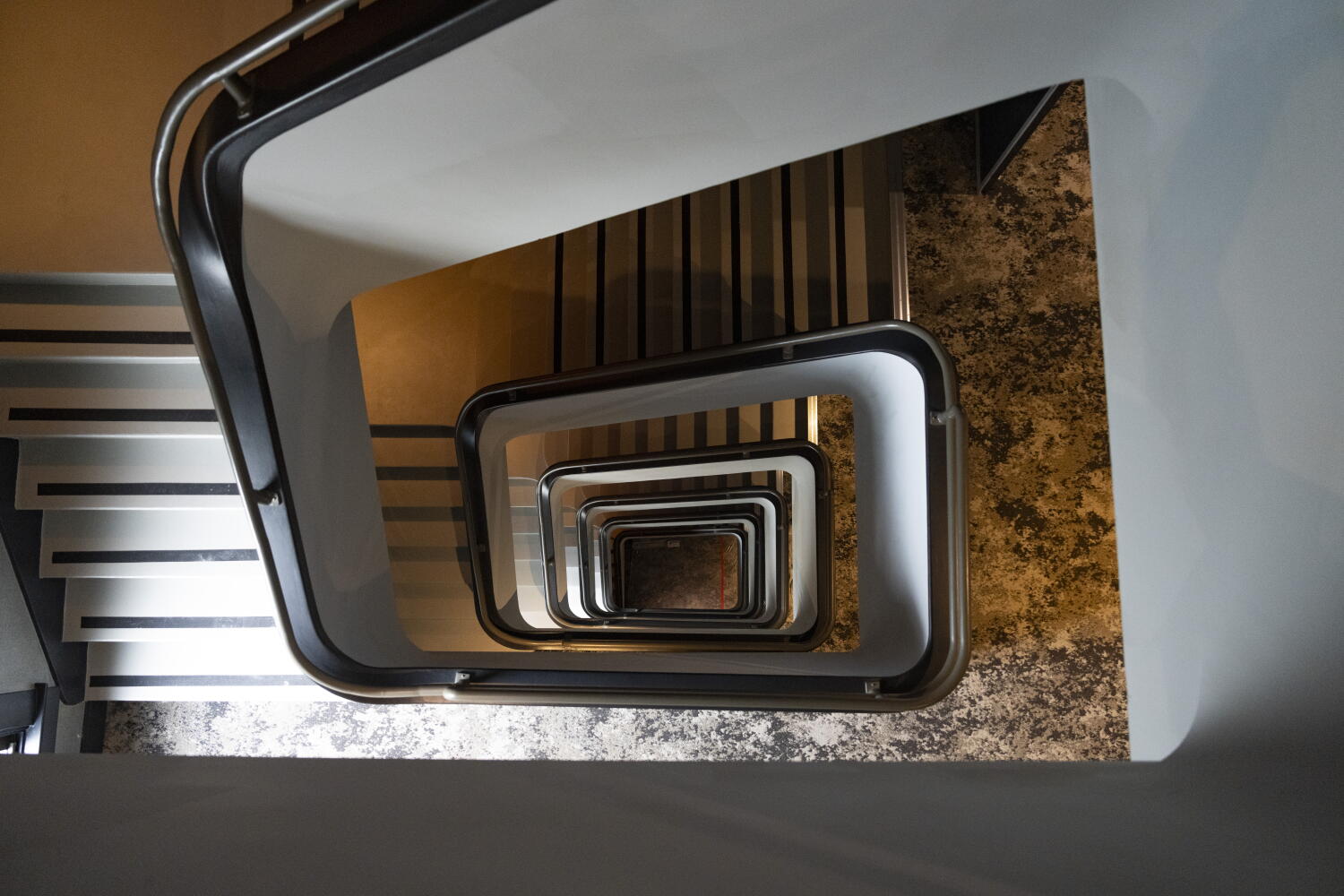
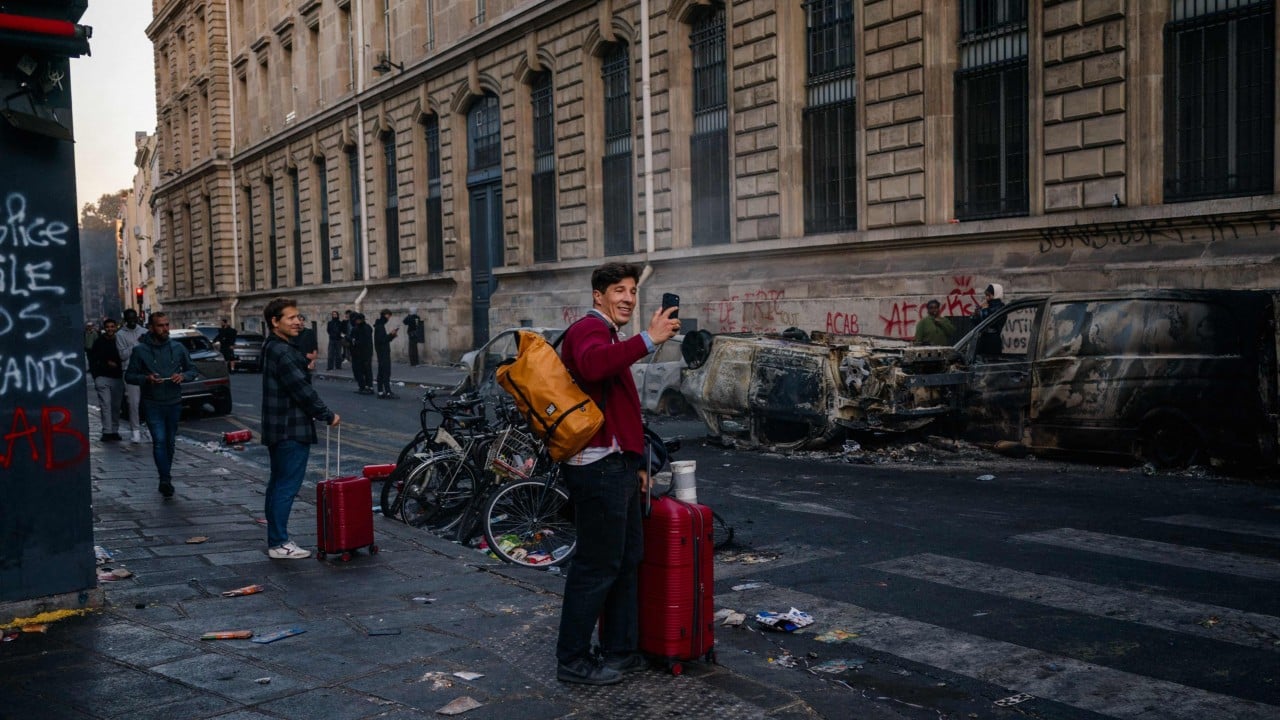
Twelve tremors hit. Phones buzz. Tourists sprint toward hotel stairs. Headlines scream panic.
Lazy coverage loves that script. A cluster of quakes plus a tsunami warning equals instant clickbait. Short sentences. Scared holidaymakers. Dramatic sirens.
That framing misses the real story. Panic is not the biggest threat when earthquakes rattle a Mediterranean island. Bad assumptions are.
What Competitor Coverage Gets Wrong About Tremors and Tsunami Alerts
Standard breaking news treats every cluster of tremors like a countdown to a mega-disaster. Twelve shakes sound terrifying on paper. Without context, twelve tremors feel twelve times worse than one.
In seismology, swarm activity behaves differently from a single massive rupture on a locked plate boundary. Multiple smaller or moderate shocks can release stress across a fault zone or volcanic-tectonic system, or they can precede or follow a larger event. Counting the number of tremors without looking at moment magnitude, focal depth, and fault geometry is like counting sirens to judge a fire.
Tsunami alerts create a similar trap. Agencies issue warnings fast because waiting for visual confirmation on the water costs minutes people do not have. An alert is a risk-management trigger, not a guarantee that a ten-meter wall of water is seconds away from your gelato cone.
Yet headlines flatten that nuance into pure theater. They frame a warning as proof of imminent doom, then frame tourist anxiety as the main event. When no giant wave arrives—or when only minor sea-level fluctuations show up—some readers swing too far the other way and tune out the next alert.
Both extremes are dangerous. Blind panic wastes precious minutes and causes stampedes. Dismissive cynicism leaves people standing on a beach when a real threat develops.
The Mechanics Behind Quakes, Faults, and Ocean Displacement
Earthquakes do not generate tsunamis simply by shaking the ground. A tremor can rattle dishes in Taormina or Syracuse without moving enough seafloor water to matter.
To push a large volume of water into a long-wavelength ocean wave, an event usually needs significant vertical displacement of the seabed, a large submarine or coastal landslide, or a major volcanic flank or caldera collapse. Shallow offshore faults and subduction or collision zones—where the African and Eurasian plates interact across the central Mediterranean—carry real historical precedent for destructive waves.
Consider the infamous 1908 Messina earthquake and tsunami. Historical seismologists and geophysicists, including work analyzed by researchers at Italy's Istituto Nazionale di Geofisica e Vulcanologia (INGV), have studied how severe ground shaking and associated seafloor movement or landslides produced devastating coastal impacts around the Strait of Messina. That history is why Mediterranean authorities take alerts seriously.
Still, wave physics obeys strict rules. In deep water, a tsunami travels fast—hundreds of kilometers per hour depending on ocean depth, following $c = \sqrt{g h}$, where $g$ is gravity and $h$ is water depth—while its wave height out in open water is often modest. As it enters shallow coastal water, it slows down and shoals, meaning energy compresses and wave height can grow dramatically depending on local bathymetry and bay shape.
Notice what that means for a "holiday hotspot." A sheltered cove, a low-lying marina, or a narrow harbor behaves very differently from a steep rocky cliff. Treating an entire island coastline as uniform is lazy reporting.
Imagine a scenario where a moderate offshore tremor triggers an automated alert across a busy resort coast. Half the crowd freezes because nothing looks different on the horizon, while the other half bolts down a narrow ground-floor alley toward the water's edge to watch the waves. Both reactions stem from misunderstanding what an alert actually tells you.
Experience From the Field and Where Contrarian Advice Can Fail
I have watched tourism operators and travel brands burn millions of dollars trying to manage crises after the fact. They spend huge budgets on glossy "business as usual" ads while ignoring basic guest safety protocols at the front desk.
When a real scare hits, staff freeze. Nobody knows where the high ground is. Guests ask reception whether they should pack their bags before heading outside, wasting critical minutes during strong shaking.
On the flip side, I have also seen crisis communicators treat every minor tremor like an extinction event, draining credibility before peak season even starts. Over-hyping every alert trains locals and travelers to roll their eyes.
Here is the honest downside to pushing a calm, contrarian view on earthquake and tsunami risk: underestimating a rare tail event is fatal. If you tell people "twelve tremors usually don't mean a giant tsunami," someone will inevitably use that line to justify staying put during the one sequence that does escalate.
Contrarian insight is not a permission slip to act reckless. It is a filter for better decisions under uncertainty.
| Common Misconception | What Actually Happens | Better Field Decision |
|---|---|---|
| Twelve tremors mean twelve times the danger | Tremor count alone ignores magnitude, depth, and fault type | Track official seismic bulletins, not rumor threads |
| A tsunami alert means a giant wave is guaranteed | Alerts prioritize speed over certainty to save lives | Move to higher ground immediately and wait for official lift |
| Being on vacation lowers your risk | Crowds, unfamiliar layouts, and language gaps raise confusion | Pick accommodations with clear upper-floor or inland exits |
| If the ocean looks calm, you are safe | Sea level can recede first or arrive as a fast surge | Never go to the shore to look after shaking or an alert |
Answering the Questions People Actually Ask Under Stress
Are twelve tremors in Sicily a sign a massive earthquake is coming?
That is often the wrong question to start with. The better question is: what is the tectonic or volcanic setting of this specific sequence, and what are the local building and evacuation realities?
A sequence of small-to-moderate quakes can reflect ongoing stress adjustments, volcanic-tectonic activity around regions like Mount Etna or the Aeolian and Tyrrhenian margins, or foreshock/aftershock behavior. No credible geophysicist can promise that a swarm will stay small, nor can they claim every swarm precedes a catastrophe. Treat uncertainty honestly: prepare for a stronger shake without living in constant dread.
Should you cancel a trip to Sicily because of tremors or a tsunami alert?
Canceling over a single headline is usually knee-jerk. Canceling because an area has active infrastructure damage, ongoing hazardous conditions, or closed transport routes is practical.
Look past the panic-driven travel blogs. Check official civil protection guidance, transport status, and local conditions in the specific town you plan to visit. Sicily is a large island with varied geology and local conditions; lumping the entire region into one fear bucket obscures real differences between towns.
What should you actually do if the ground shakes or an alert sounds near the coast?
Skip the viral checklists that sound smart and fail in real life.
- Drop, cover, and hold on during shaking. Do not run outside mid-shake if falling masonry, glass, or power lines are above you.
- Move inland or uphill immediately after strong shaking or a tsunami warning. Do not wait for a second confirmation text if you are in a low-lying coastal zone. Walk or move on foot when roads are congested or damaged.
- Stay away from the beach, piers, and river mouths. A receding shoreline is a classic warning sign, not a photo opportunity.
- Wait for official all-clear notices. Tsunami waves often arrive as a series of surges over hours, not a single wave.
Why do tsunami warnings sometimes seem like false alarms?
Because early warnings are built around worst-case thresholds and fast seismic/sea-level modeling rather than waiting for a wave to slam into a harbor. In oceanography and hazard management, a "false alarm" that costs an hour of inconvenience is cheap compared to a delayed warning that costs lives.
Authorities balance two errors: warning when a wave stays small, versus staying quiet when a wave turns destructive. In coastal hazard zones, erring toward early warning is a feature of the system, not a bug.
Rethinking Risk for Travelers and Operators
Stop treating travelers like fragile props in a disaster movie. Most people handle stress better when given clear, unvarnished facts instead of melodrama or false reassurance.
Hotels, tour operators, and local municipalities do not need spin during seismic or coastal alerts. They need rehearsed staff, visible evacuation routes, multilingual alerts, and honest updates.
Read the next tremor headline with a sharper eye. Ignore the fear-mongering, respect the physics, and know your exit before you ever unpack.