The coffee gets cold in the cup. That is the first thing you notice when someone stops coming home—not the sudden silence, not the empty chair at the end of the long week, but the small, domestic details that refuse to change. A pair of shoes left by the front door, worn down at the heel. A half-read paperback face down on the nightstand. The coffee, cooling and darkening in a ceramic mug that nobody will wash today.
In living rooms across the country, mothers and sons sit in that exact stillness, staring at doors that opened once to let in federal agents and never swung back to let out their loved ones. They are waiting for answers that arrive in bureaucratic whispers, redacted pages, and closed investigations. They are asking how a morning can begin with ordinary sunlight and end with a flag draped over a tragedy, or worse, with no flag at all—just a quiet press release and an unreturned phone call.
Consider what happens when the state steps through a threshold. The noise is instantaneous: shouting, heavy boots, the shattering of glass, the metallic click of handcuffs. But the silence that follows lasts for years. It settles into the floorboards. It stretches across kitchen tables where grieving families try to piece together the final moments of a life extinguished under the color of authority.
To understand the weight of this grief, you have to look past the cold shorthand of immigration enforcement statistics and trace the human arc of accountability. When Immigration and Customs Enforcement agents operate within local communities, their actions are protected by layers of administrative immunity, qualified immunity, and institutional walls designed to absorb public outrage and neutralize external pressure. For the families left behind, this creates a terrifying vacuum. Who investigates the investigators? Who holds the badge accountable when the badge becomes a shroud?
Maria Hernandez knows this vacuum intimately. In a modest brick home where the walls are lined with fading photographs of graduations and birthday parties, she keeps a manila folder filled with certified mail receipts and Freedom of Information Act requests. Her son, Mateo, was twenty-four when an enforcement operation on a rainy Tuesday morning in suburban Texas ended in a hail of gunfire. The official reports called it a confrontation. The witnesses called it an execution.
"They told me he moved," Maria says, her voice dropping to a fragile whisper as she pours water from a plastic pitcher. "My son didn't even like loud noises. He dropped his keys whenever someone slammed a car door too hard. How do you fight a piece of paper that says you are lying?"
This is the central tragedy of deaths involving federal immigration custody and enforcement actions. The narrative is written by the institution before the blood has even dried on the asphalt. Internal reviews are conducted behind closed doors. Body camera footage, when it exists, is edited or withheld under the guise of ongoing investigations that seem to stretch into infinity. The machinery of the state protects its own, leaving mothers and sons to navigate a labyrinth of legal roadblocks designed to exhaust them into surrender.
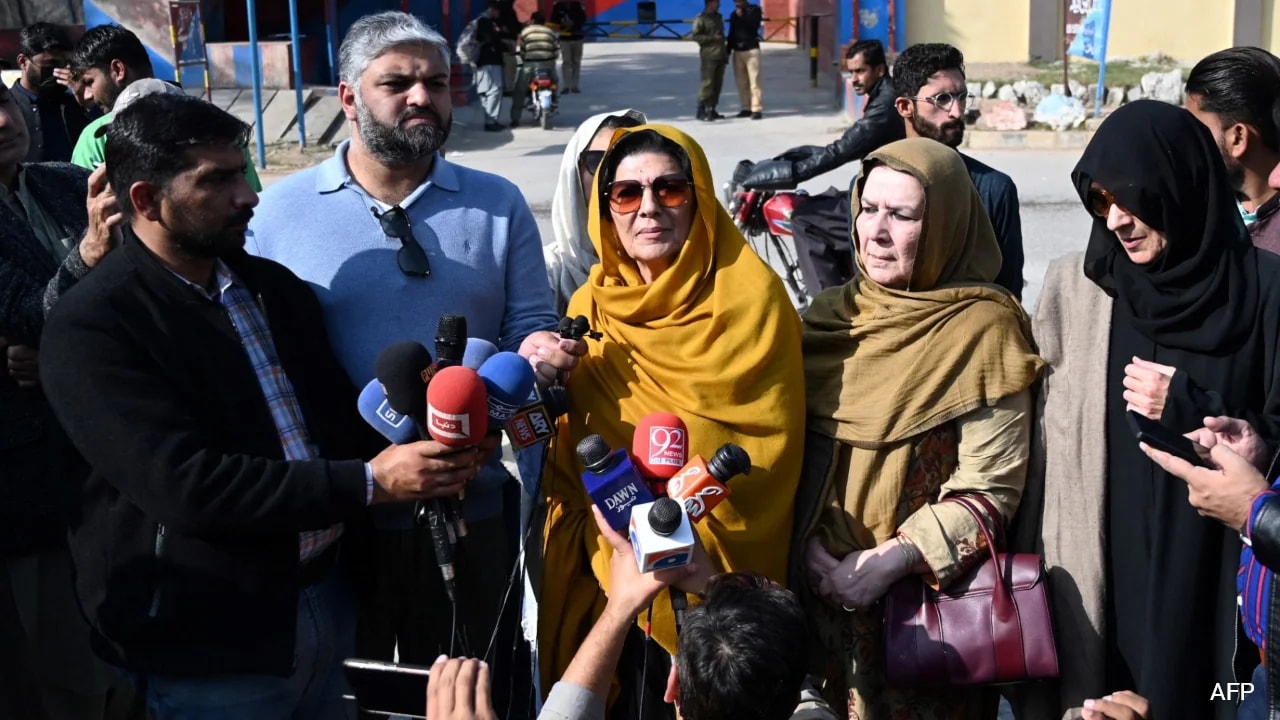
Yet, surrender does not come easily to a mother's heart. Across different states, families are refusing to fade into the background. They are organizing. They are sharing legal resources, translating dense federal court filings into kitchen-table Spanish and English, and standing shoulder-to-shoulder outside federal courthouses holding signs bearing the faces of the departed. They have become accidental activists, forged in the crucible of state-sanctioned grief.
The mechanics of accountability in these cases are notoriously opaque. When a local police officer uses excessive force, there is at least a theoretical framework of municipal oversight and local civilian review boards. But when federal immigration agents are involved, jurisdiction blurs. Cases bounce between federal district courts and internal agency affairs divisions, each entity pointing fingers at the other while months bleed into years. Statutes of limitations approach like silent predators, threatening to close the window on justice entirely long before the truth ever sees the light of day.
Think about the psychological toll of this pursuit. Every filing fee is a gamble. Every court hearing means reliving the worst morning of your life under the harsh fluorescent lights of a federal courtroom, facing government attorneys whose entire career is built on shielding the agency from liability. These families do not have teams of public relations specialists or unlimited legal funds. They have bake sales, GoFundMe campaigns, and the stubborn, unyielding belief that their loved ones mattered.
"We still have so many questions," said David Torres, whose mother died of medical neglect while in a privately run immigration detention center in the desert Southwest. David was only sixteen when he received the call. Now he is twenty-two, an adult shaped entirely by the absence of the woman who raised him. "They said she had access to care. They showed me charts with numbers and medical codes. But charts don't explain why her final phone call was a recording begging for someone to listen to her chest."
The private contractors operating many of these detention facilities add another layer of insulation from the truth. Profit margins and liability waivers dictate the standard of care, where human beings are reduced to per-diem line items in corporate ledgers. When medical emergencies occur—an untreated infection, a severe asthma attack, a rapidly worsening heart condition—the response is frequently delayed by bureaucratic red tape and cost-cutting protocols. By the time emergency services are called, the paperwork is already being prepared to sanitize the outcome.
To dismiss these incidents as isolated anomalies is to ignore the structural design of the system itself. When enforcement agencies operate with minimal transparency, impunity becomes policy. The lack of independent oversight creates an environment where aggressive tactics and administrative corners are normalized, because the risk of real consequence is virtually nonexistent.
This is why the voices of these mothers and sons matter so profoundly. They are the only friction left in a system engineered to run smoothly over human lives. Their persistent questioning disrupts the official narrative, forcing cracks into the armor of bureaucratic indifference.
Change, when it comes, is rarely born from the benevolence of institutions. It is extracted through relentless pressure, through the refusal to be quiet, through the unbearable courage of people who have already lost everything and therefore have nothing left to fear.
The sun dips below the horizon, casting long shadows across Maria Hernandez’s kitchen table. The manila folder is closed now, tucked neatly beneath a stack of mail. But the coffee cup remains where it was left hours ago, cold, dark, and waiting for a hand that is never coming back. Outside, the streetlights flicker on, illuminating an empty sidewalk where the world keeps moving, indifferent to the broken pieces left in its wake, save for the ones who refuse to let the world forget.