Ms. Chen did not expect her afternoon refreshment to taste like a slow-motion betrayal.
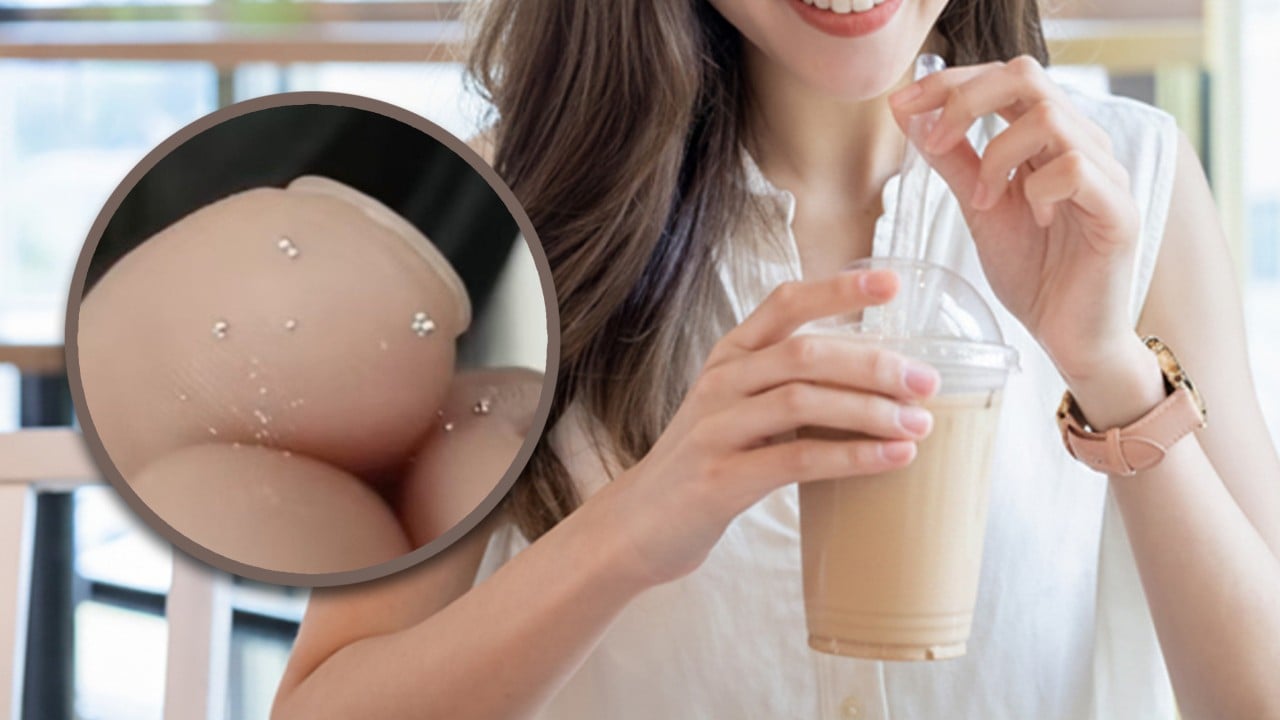
She sat in her apartment in Zhejiang, the condensation from a cup of milk tea pooling on the table like a gathered secret. It was a routine comfort. Millions of these plastic cups move through Chinese cities every hour, sweet and predictable. But as the straw hit the bottom, she noticed something that didn’t belong among the chewy tapioca pearls. Small, shimmering beads of liquid metal rolled across the plastic floor of the cup.
They were mesmerizing. They were heavy. They were mercury.
Panic is a cold weight in the stomach. Mercury is not just a contaminant; it is a ghost that haunts the nervous system. Ms. Chen did not waste time. She called the police, her mind racing through the logistics of a lawsuit, a public health scandal, and the terrifying possibility that a local business was operating with lethal negligence. The authorities arrived, the shop was inspected, and the tea-making process was scrutinized under the harsh glare of industrial safety standards.
But the shop was clean. The batch was pure. The tea in the vats held no silver secrets.
The investigation turned inward, moving from the bright lights of the commercial kitchen to the shadows of a shared life. When the police looked at the security footage and the timeline of the delivery, the narrative of a corporate villain dissolved. In its place stood a figure Ms. Chen knew intimately.
It was her boyfriend.
He hadn't been trying to spice up the drink for a prank. This wasn't a joke gone wrong or a momentary lapse in judgment. He had intentionally introduced the liquid metal into her drink, a silent additive meant to settle a score he hadn't the courage to voice.
Love often masks the capacity for cruelty. We walk through our lives assuming the people sharing our table—and our drinks—are the bedrock of our safety. We worry about the stranger in the alley or the faceless corporation cutting corners. We rarely worry about the person holding the door open for the delivery driver.
The betrayal shifted the case from a consumer rights issue to a criminal investigation of attempted harm. The boyfriend eventually admitted to the act, citing a spiraling accumulation of resentment and petty grievances. He chose a heavy metal as his messenger.
Mercury poisoning is a brutal, lingering process. It attacks the brain, the kidneys, and the senses. To offer it to a partner is to move beyond a simple desire for conflict; it is an attempt to erase their well-being from the inside out. The beads Ms. Chen found weren't just a chemical hazard. They were the physical manifestation of a relationship that had turned toxic long before the tea was ordered.
Consider the fragility of trust. It is the invisible ingredient in every meal we don't cook ourselves and every cup we don't pour. When that trust is shattered by a stranger, we feel indignant. When it is shattered by a partner, we feel hollow.
Ms. Chen’s story isn't just a news ticker item about a tainted beverage. It is a grim reminder that the most dangerous threats aren't always found in the wide world. Sometimes, the most potent poison is poured by the hand we've spent years learning to hold.
The case concluded with an arrest, a confession, and a woman left to look at every future kindness with a newfound, trembling skepticism. The shop was cleared. The tea was innocent. Only the man remained, a shadow caught in the reflection of the silver beads he thought would stay hidden at the bottom of the cup.