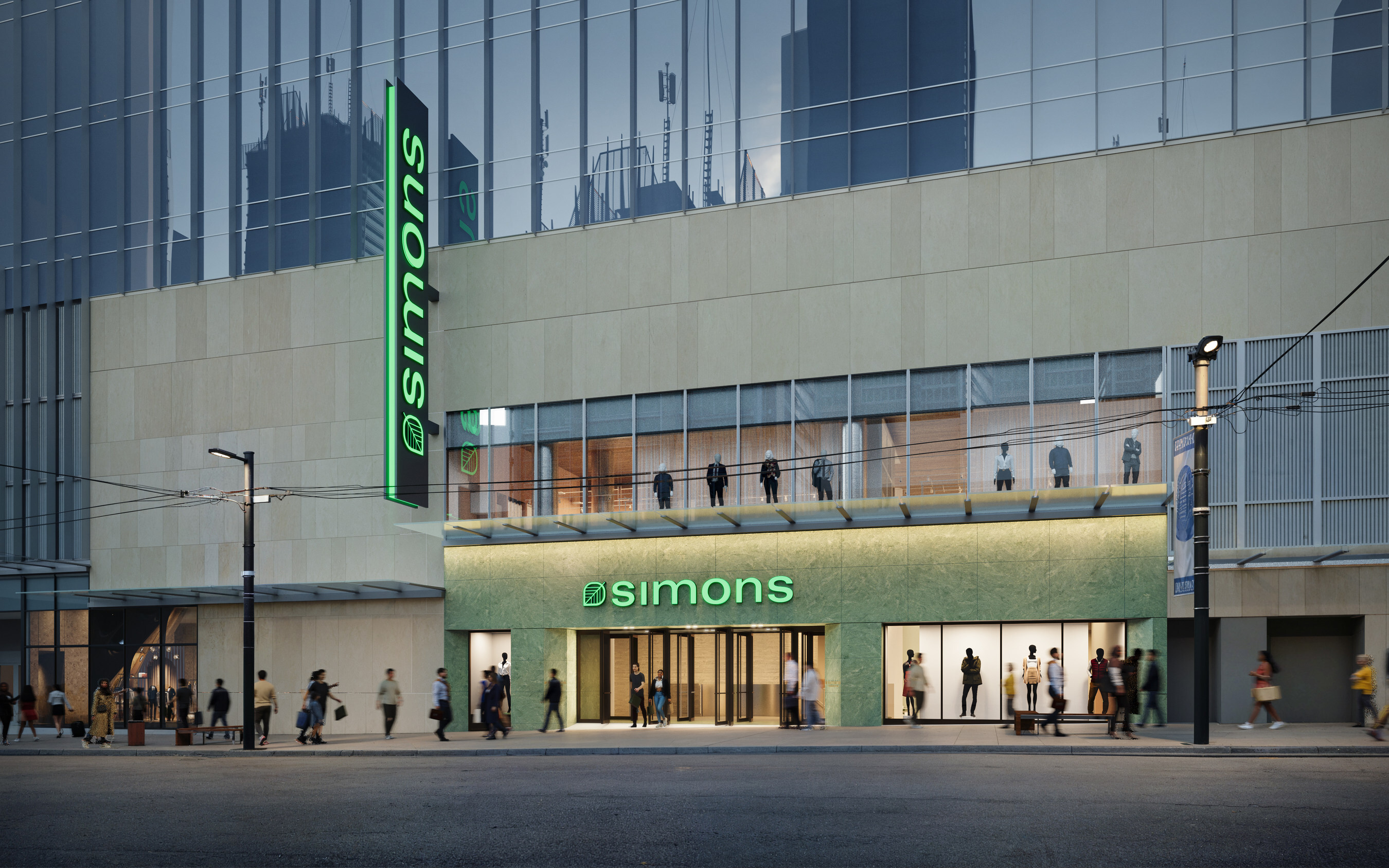
The vacancy at the heart of Vancouver’s luxury corridor is finally being filled, but the arrival of La Maison Simons at Pacific Centre represents much more than a simple lease agreement. By taking over the massive footprint left behind by Nordstrom, the Quebec-based fashion titan is betting that it can succeed where the Americans failed. This isn't just a expansion move. It is a calculated strike into the soul of Western Canada’s retail market. While Nordstrom struggled with an identity crisis and logistical friction, Simons is walking in with a century-old playbook refined for the modern era.
The Ghost of Nordstrom and the Reality of 701 West Georgia
When Nordstrom pulled the plug on its Canadian operations, it left a cavernous 230,000-square-foot hole in the downtown core. It was a failure of scale. The Seattle-based retailer couldn't bridge the gap between high-end aspiration and the practical shopping habits of the local demographic. They built a temple to luxury that felt increasingly detached from the street level.
Simons is taking a different path. They aren't just moving in; they are carving the space down to a more manageable 110,000 square feet. This downsizing is the first sign of intelligence. By occupying the main floors and leaving the upper levels for other uses—likely office space or alternative commercial ventures—Simons avoids the "dead zone" trap that kills large department stores. They are focusing on density of experience rather than sheer acreage.
Why the Quebec Model Translates to Vancouver
Retail analysts often wonder why a family-owned business from Quebec City can thrive while global conglomerates stumble. The secret lies in the ownership structure. Simons isn't beholden to quarterly earnings calls with impatient shareholders. They operate on decades, not months. This allows them to invest in the architecture and the art that make their stores destinations rather than just distribution points for clothing.
In Vancouver, where the shopping public is increasingly cynical about generic mall culture, the Simons aesthetic serves as a differentiator. They treat the store as a gallery. This isn't flowery philosophy; it’s a survival strategy. If you give people a reason to walk through the doors that Amazon cannot replicate—the feel of the materials, the sight of a three-story art installation, the specific lighting of a curated designer room—you win the foot traffic war.
The Private Label Advantage
Nordstrom’s downfall was partly due to its reliance on external brands that customers could find elsewhere. Simons flips this. Roughly 50% to 70% of their inventory consists of in-house brands like Twik, Djab, and Le 31. This gives them total control over the supply chain and, more importantly, the margins.
- Agility: They can react to West Coast trends faster than a buyer in a distant corporate head office.
- Price Point Versatility: They can sit a $20 t-shirt next to a $2,000 Balmain jacket without it feeling disjointed.
- Exclusivity: You cannot buy their core lines anywhere else, which forces the customer back to Pacific Centre.
The Logistics of a Downtown Resurrection
Moving into Pacific Centre is a logistical nightmare disguised as an opportunity. The building sits atop one of the busiest transit hubs in North America. Simons has to manage a massive renovation while the city moves around it. The plan to split the former Nordstrom space suggests a shift toward mixed-use integration.
Cadillac Fairview, the landlord, is likely breathing a sigh of relief, but they are also being forced to evolve. The era of the monolithic department store is over. By bringing in Simons, they are anchoring the mall with a tenant that understands the "lifestyle" component of modern commerce. Simons stores often include cafes and seating areas that encourage loitering. In the world of retail, the longer a customer stays, the more they spend. It is a simple metric, but one that is surprisingly difficult to master.
A Bet on the Resurgence of the Core
There has been a lot of talk about the "death of downtown." Remote work and the shift to suburban hubs have definitely bruised Vancouver’s central business district. However, the Simons move is a hard-money bet against that narrative.
They are targeting the high-density residential growth in the West End and the coming wave of international tourism. Vancouver remains a primary gateway for Asia-Pacific wealth and travel. Nordstrom tried to capture this with a stiff, formal approach. Simons is expected to bring a more eclectic, European sensibility that aligns better with Vancouver’s "casual luxury" vibe. They understand that a Vancouverite is just as likely to buy a technical shell jacket for a hike as they are a silk dress for dinner in Gastown.
The Counter-Argument: Can They Scale?
The risk is real. Vancouver is an expensive city to operate in. Labor costs are high, and the competition from nearby luxury boutiques on Alberni Street is fierce. Some critics argue that Simons might be overextending. While they have been successful in West Vancouver’s Park Royal, the downtown environment is a different beast. It requires a level of security and maintenance that can eat into those healthy private-label margins.
Furthermore, the brand awareness of Simons in Western Canada is still growing. They don't have the decades of heritage here that they do in Montreal or Quebec City. They are the "new kid" in a very expensive neighborhood, and they are moving into a house where the previous tenant just went bankrupt.
The Architectural Statement
We should expect the Pacific Centre Simons to be a visual landmark. The company famously commissions local artists for every new location. This isn't just about being a "good neighbor." It is about branding the space. When a shopper takes a photo of an installation and shares it, they are providing free, authentic marketing that a traditional ad campaign can't touch.
By integrating art and high-end design into the shopping path, Simons creates a "slow retail" environment. They want you to stop. They want you to look up. This is the antithesis of the "grab and go" mentality of online shopping. It is a physical manifestation of the brand's permanence.
Navigating the Middle Market Trap
The most dangerous place for a retailer today is the middle. If you aren't the cheapest and you aren't the most exclusive, you vanish. Simons survives by being both. They occupy the entire spectrum. This "bipolar" retail strategy allows them to capture the student looking for a deal and the executive looking for a suit in the same trip.
This versatility is exactly what Pacific Centre needs. The mall has always struggled to balance its food-court-level accessibility with its high-end anchors. Simons acts as the bridge. They provide a reason for the average commuter to step inside while maintaining the prestige required for the location.
The Ripple Effect on Vancouver Retail
When a tenant this large moves in, the surrounding ecosystem changes. Expect to see a shuffle of smaller boutiques within Pacific Centre as the "Simons effect" takes hold. Foot traffic patterns will shift toward the north end of the mall. Nearby competitors like Hudson’s Bay will be forced to modernize or risk looking like a relic of a bygone era.
The Bay, in particular, should be nervous. They have long held the monopoly on the "Canadian Department Store" identity in Vancouver. Simons represents a sleeker, more focused, and more financially stable version of that identity. The battle for the Canadian shopper’s loyalty is about to get much more aggressive.
The success of this move won't be measured by the grand opening crowds. It will be measured two years down the line by whether Simons can maintain its reputation for service and curation in a high-pressure urban environment. They have the advantage of learning from Nordstrom’s mistakes. They know that a store can't just be a warehouse for clothes; it has to be a vital part of the city’s fabric.
Stop looking at this as a simple real estate transaction. It is a litmus test for the future of the North American city center. If Simons can't make 701 West Georgia work, it’s unlikely anyone can.
Ensure your inventory reflects the local climate immediately.